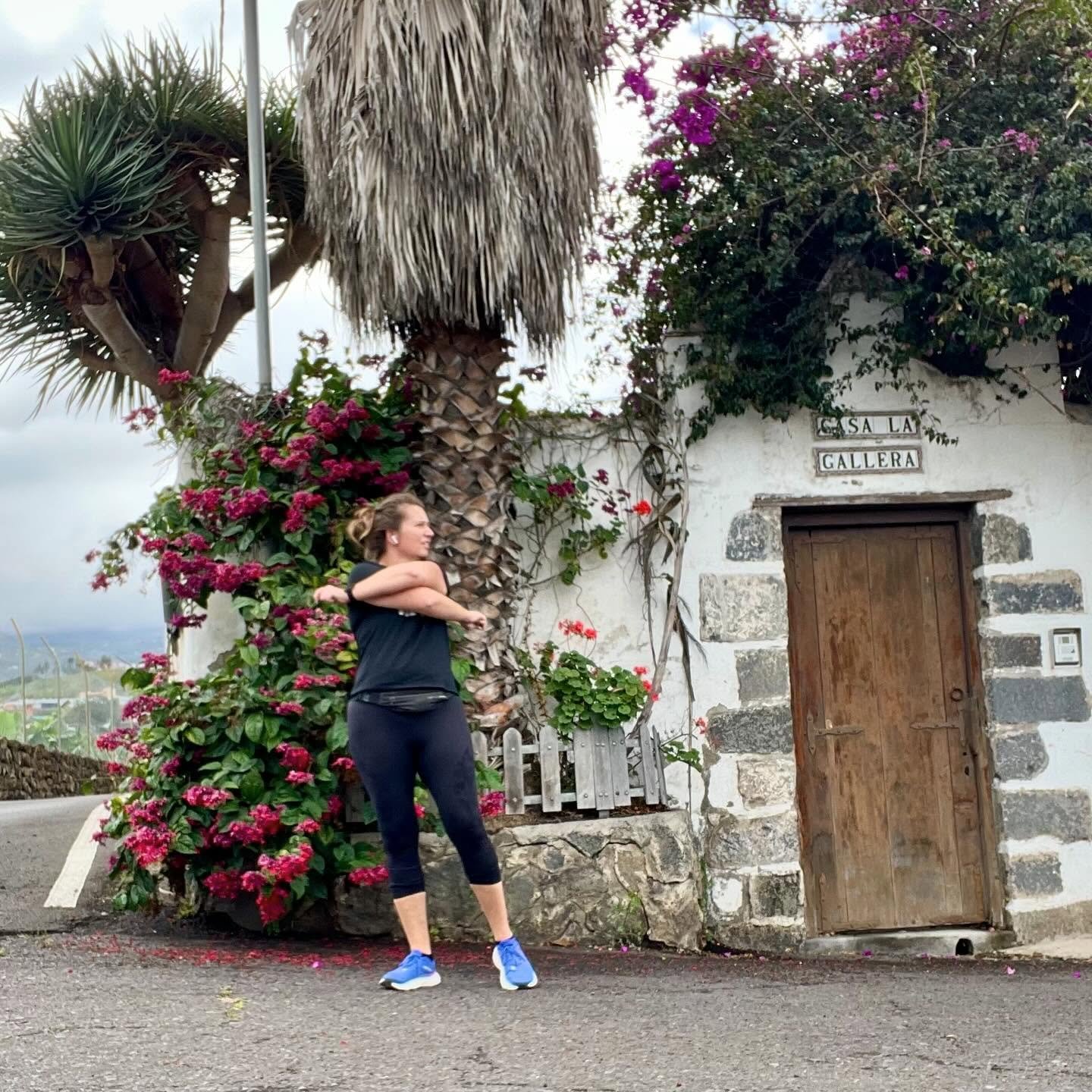
When I moved to Spain at 46, I thought I’d have to choose between the Mediterranean lifestyle I’d fallen in love with and the keto approach that had helped me lose 40+ kg. Turns out, I didn’t have to choose at all.
I’d been doing keto for years by then. It had literally saved my life—pulled me back from the edge of metabolic disaster, helped me shed the weight that was suffocating me, gave me my energy back. But something shifted when perimenopause hit. The bacon-heavy, butter-in-my-coffee approach that had worked so well in my early 40s suddenly left me feeling inflamed, exhausted, and stuck.
Then I landed in Spain and fell in love with how people here actually eat. Not the tourist version with paella and churros, but the real daily food: grilled sardines glistening with olive oil, simple salads bursting with flavor, fish so fresh it tastes like the sea. And I realized something that changed everything: this is keto. Or it could be, with just a few tweaks.
That’s how I discovered the mediterranean keto diet—not as some trendy mashup, but as a way of eating that honors both metabolic science and thousands of years of wisdom about what actually nourishes a woman’s body.
What Is the Mediterranean Keto Diet? (And Why It’s Different)
Let me be clear about what this isn’t: it’s not standard keto with some olives thrown in. It’s not about hitting your macros with whatever fits, and it’s definitely not about processed “keto” products with a Mediterranean-sounding name.
The mediterranean keto diet is a way of eating that combines the metabolic benefits of ketosis—stable blood sugar, fat burning, mental clarity—with the anti-inflammatory, nutrient-dense foods that have kept Mediterranean populations healthy for generations. Think less about bacon and butter, more about sardines and olive oil.
The Problem with Traditional Keto for Women Over 40
Here’s what I learned the hard way: the keto that works for a 25-year-old guy trying to build muscle doesn’t work the same way for a woman navigating perimenopause. Our hormones are different. Our needs are different. Our bodies respond differently to stress, including the stress of dramatic dietary changes.
Traditional keto often focuses purely on macros—hit your fat, keep carbs under 20g, moderate protein, done. But it doesn’t distinguish between getting your fat from industrial seed oils or from cold-pressed olive oil. It doesn’t care if your protein comes from processed meat or wild-caught fish. It treats a keto bar full of additives the same as a handful of almonds.
When I was doing standard keto in my early 40s, I was eating a lot of cheese, cream, bacon, and conventional meat. I was hitting my macros perfectly. And yes, I lost weight and felt better than I had in years. But as perimenopause crept in, I started noticing things: my skin would flare up with inflammation, my energy would crash in the afternoons, my joints ached, and the weight loss that had been so consistent just… stopped.
Research published in the journal Nutrients has shown that women’s metabolic response to ketogenic diets differs significantly from men’s, particularly regarding hormone production and inflammatory markers. We need a gentler, more nourishing approach—especially during the hormonal chaos of perimenopause.
How Mediterranean Keto Is Different
The mediterranean keto diet flips the script. Instead of focusing only on macros, it prioritizes food quality above everything else. The fats come primarily from extra virgin olive oil and fatty fish, not from dairy and processed meats. The proteins come from the sea more often than the land. The vegetables are abundant, varied, and celebrated—not just tolerated as “filler.”
There are no processed keto products here. No bars, no shakes, no “keto bread” made in a factory. Just real food that humans have been eating for thousands of years, prepared simply, seasoned generously with herbs that happen to be powerful anti-inflammatories.
When I switched to this approach after moving to Spain, everything changed within weeks. My skin calmed down. My energy stabilized. The stubborn weight I’d been carrying started to shift again. And here’s the thing that surprised me most: I wasn’t trying as hard. I wasn’t tracking obsessively or forcing myself to eat when I wasn’t hungry. The food was so satisfying, so nourishing, that my body just… responded.
Why This Matters for Perimenopause
During perimenopause, our bodies are already dealing with enough stress. Estrogen is fluctuating wildly. Cortisol tends to run higher. Inflammation increases. Our metabolism shifts. The last thing we need is a diet that adds more inflammatory stress.
The mediterranean keto diet works with your changing hormones instead of against them. The omega-3 fatty acids from fish support brain health and reduce inflammation. The polyphenols in olive oil help regulate blood sugar and support cardiovascular health. The abundance of vegetables provides fiber for gut health and hormone metabolism. The overall anti-inflammatory nature of the diet helps calm the hormonal storm that perimenopause can be.
A 2023 study in Menopause found that women following a Mediterranean-style eating pattern reported significantly fewer hot flashes and better overall quality of life compared to those on standard Western diets. Combine that with the metabolic benefits of ketosis, and you’ve got something powerful.
The Core Principles of Mediterranean Keto
If I had to explain this approach to someone in a single sentence, it would be this: eat real Mediterranean food, skip the bread and potatoes, and don’t overthink it. But since you’re here for more detail, let’s break it down.
Quality Fats: Why Olive Oil Changes Everything
In standard keto, fat is fat—whether it comes from butter, coconut oil, or olive oil doesn’t really matter as long as you hit your macros. But in mediterranean keto, the type of fat is everything.
Extra virgin olive oil is the foundation here. Not because it’s trendy, but because it’s genuinely one of the most health-promoting fats on the planet. It’s rich in oleic acid, which supports heart health. It’s packed with polyphenols that reduce inflammation and oxidative stress. It’s been the primary fat source in one of the world’s longest-lived populations for thousands of years.
When I first moved to Spain, I was shocked by how much olive oil people use. Not a drizzle—a pour. Salads swimming in it. Fish grilled and then doused in it. Vegetables roasted until they’re practically candied in it. And these people aren’t fat. They’re not sick. They’re vibrant and healthy well into old age.
I started using olive oil the way my Spanish neighbors do—generously, without fear. My skin improved. My hair got shinier. My satiety after meals increased. Turns out, when you give your body high-quality fat, it knows exactly what to do with it. Research from the PREDIMED study has consistently shown that higher olive oil consumption is associated with better metabolic health and reduced inflammation, particularly in women.
Protein from the Sea (and Sometimes the Land)
Mediterranean cultures have always eaten more fish than meat, and there’s wisdom in that—especially for women over 40. Fatty fish like sardines, mackerel, salmon, and anchovies are rich in omega-3 fatty acids, which are crucial for brain health, hormone production, and reducing inflammation.
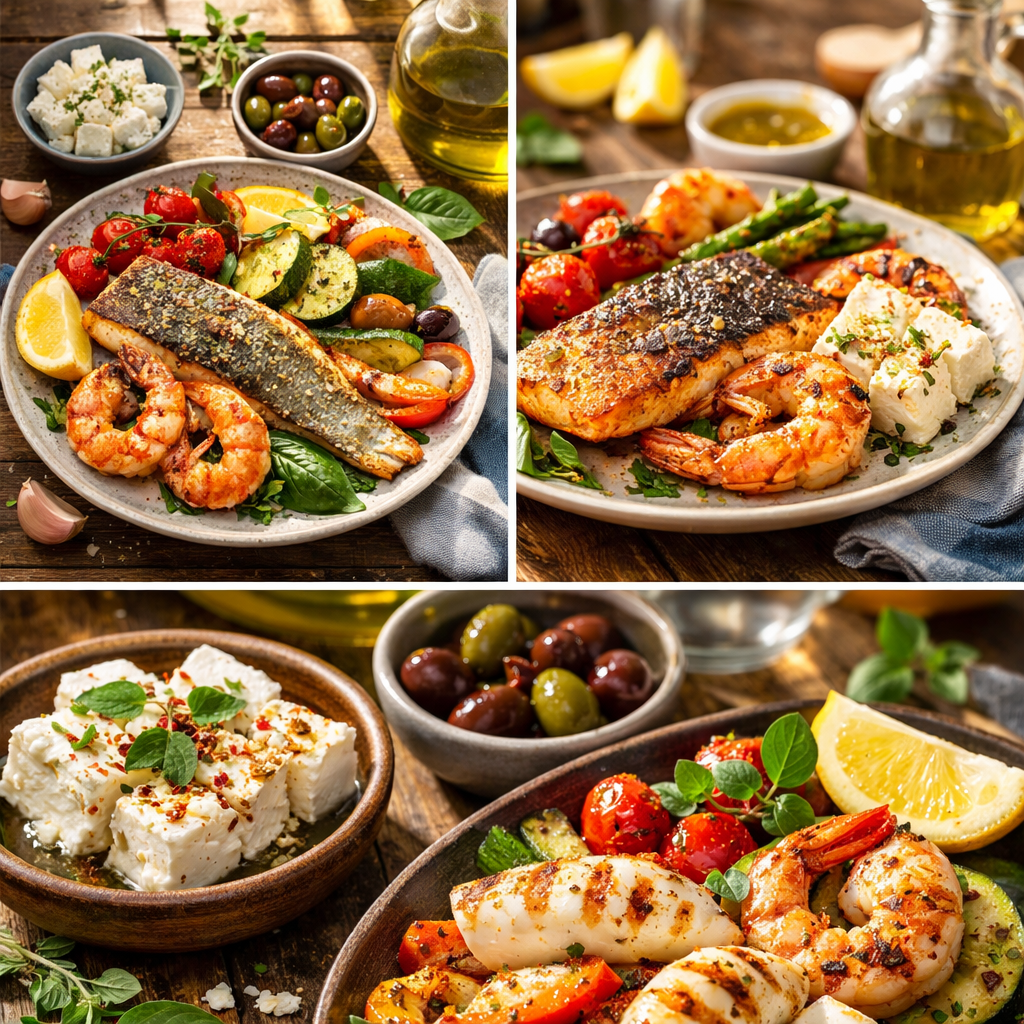
I aim for fatty fish at least three to four times a week. Sometimes it’s grilled sardines with lemon and herbs. Sometimes it’s canned mackerel mixed with olive oil and capers over a bed of greens. Sometimes it’s a simple piece of salmon roasted with garlic and rosemary. The variety keeps it interesting, and my body responds beautifully to all that omega-3.
When I do eat meat, I choose quality over quantity. Grass-fed when possible, prepared simply, and always as part of a meal that’s mostly vegetables. I’m not afraid of meat, but it’s no longer the star of every meal the way it was in my standard keto days.
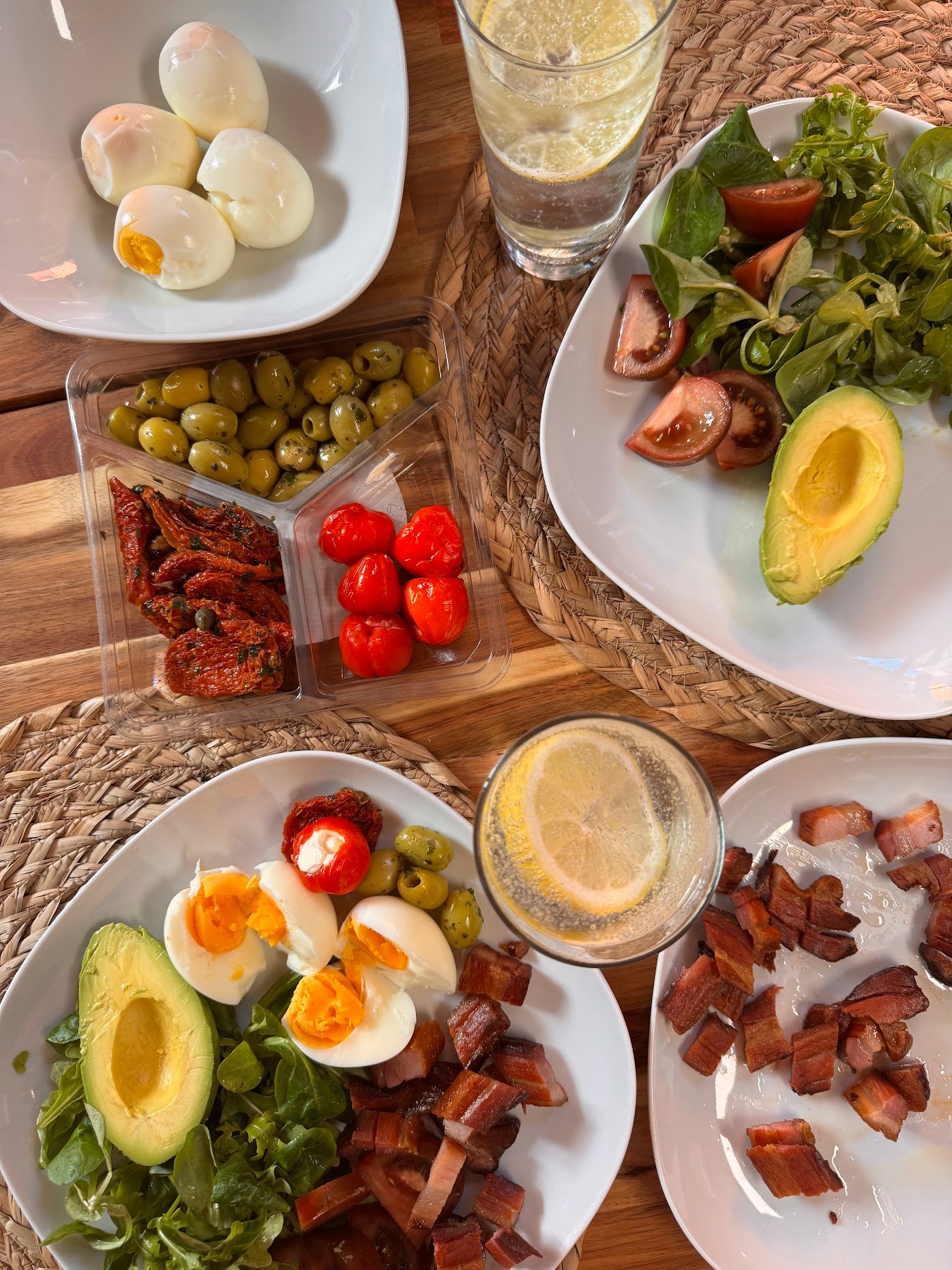
Eggs are also a staple—they’re perfect for mediterranean keto. I eat them scrambled with herbs, fried in olive oil with vegetables, or hard-boiled as a quick snack with some olives.
The Vegetables You’re Probably Not Eating Enough Of
This might be the biggest difference between standard keto and mediterranean keto: vegetables aren’t just allowed, they’re celebrated. They’re not something you tolerate to get your fiber—they’re a main event.
Leafy greens like spinach, arugula, and Swiss chard. Cruciferous vegetables like broccoli, cauliflower, and cabbage. Zucchini, eggplant, bell peppers, tomatoes (yes, in moderation), asparagus, artichokes, green beans. All of these are low in carbs but high in nutrients, fiber, and flavor.
I eat more vegetables now than I ever did before keto, and certainly more than I did during standard keto. A typical dinner plate for me is half vegetables, a quarter protein, and the rest is just olive oil bringing it all together. The fiber keeps my digestion happy, the nutrients support my hormones, and the sheer volume of food keeps me satisfied without overeating.
Fresh herbs deserve their own mention here. Basil, oregano, rosemary, thyme, parsley—these aren’t just garnishes. They’re packed with antioxidants and anti-inflammatory compounds. I use them liberally in everything, and they transform simple food into something that tastes like you spent hours cooking.
What You Actually Eat on Mediterranean Keto
Theory is nice, but you want to know what this looks like in practice. What do I actually buy? What do I actually eat? Let me show you.
Your Mediterranean Keto Pantry Essentials
My pantry in Spain looks nothing like my pantry did during standard keto back home. Gone are the almond flour, the sugar-free syrups, the keto-friendly tortillas. Here’s what I actually keep on hand:
Fats and oils: Extra virgin olive oil (I go through about a liter every two weeks), olives in brine, capers, tahini, and a small jar of good anchovies packed in olive oil.
Proteins: Canned sardines, canned mackerel, canned tuna in olive oil (not water), and sometimes canned anchovies. These are lifesavers for quick meals. In the fridge, I keep eggs, fresh fish when I find it, and occasionally some good quality meat.
Nuts and seeds: Almonds, walnuts, pine nuts (expensive but worth it occasionally), pumpkin seeds, and sesame seeds. I eat these in moderation—they’re easy to overdo.
Seasonings: Dried oregano, thyme, rosemary, red pepper flakes, good sea salt, black pepper, garlic (fresh and powdered), and lemon juice. These are what make everything taste amazing without any processed sauces or dressings.
Vegetables: I don’t keep many vegetables in the pantry because I buy them fresh several times a week. But I do keep some frozen spinach and broccoli for emergencies.
Notice what’s missing? No keto bread, no protein powder, no MCT oil, no “fat bombs,” no artificial sweeteners. Just real food.
A Day of Eating (What This Actually Looks Like)
People always ask me what I eat in a typical day, so here’s yesterday as an example:
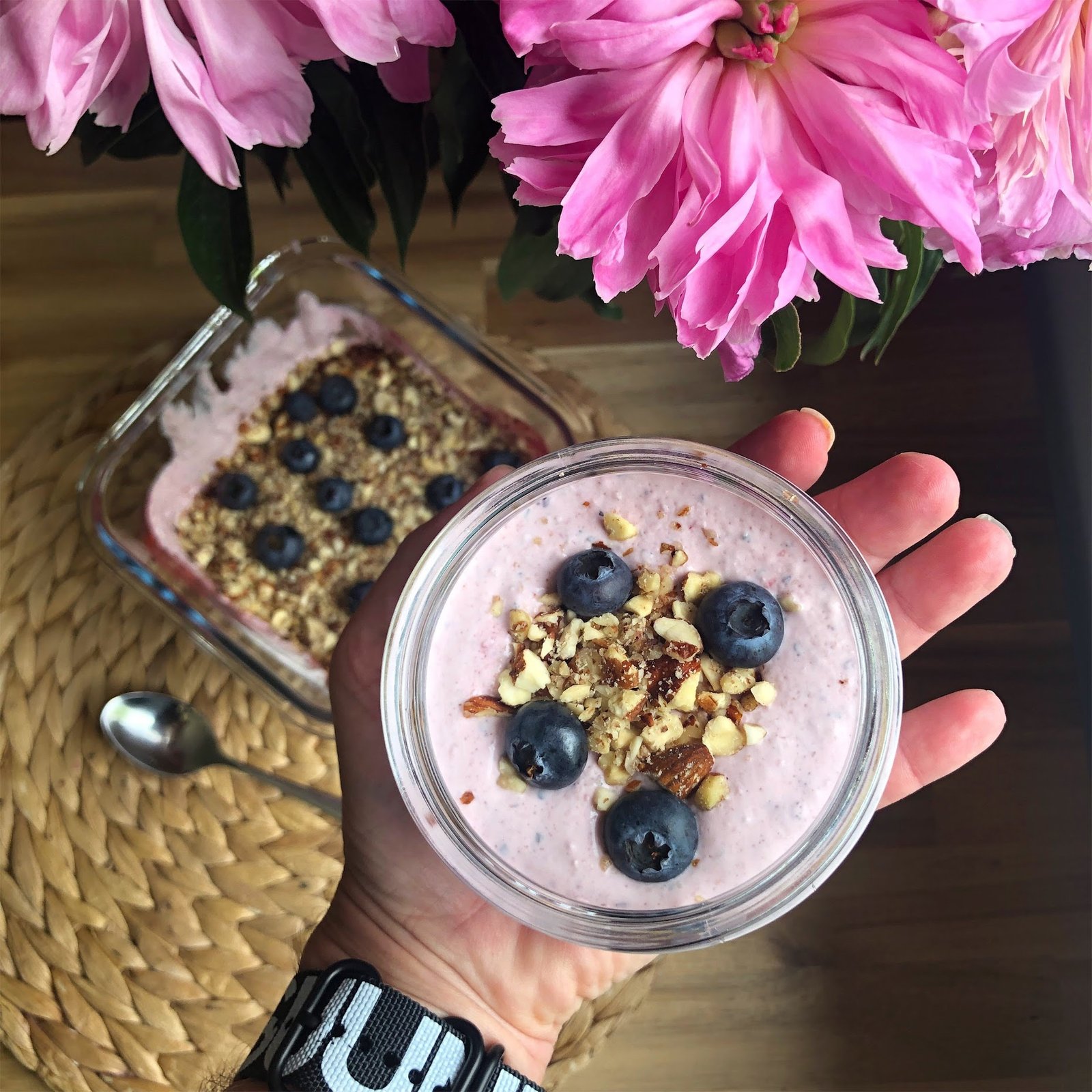
Breakfast: I’m not usually hungry first thing, so I had coffee with a splash of cream around 9am. Around 11am, I had full-fat Greek yogurt (the real stuff, not the processed kind) with a handful of walnuts and a few raspberries. Simple, satisfying, and it held me until lunch.
Lunch: This is usually my biggest meal. Yesterday I made a sardine salad—canned sardines (the good ones in olive oil), mixed greens, cherry tomatoes, cucumber, red onion, olives, and a generous pour of olive oil with lemon juice and oregano. I ate it with a few slices of sheep’s milk cheese. This meal was huge, delicious, and kept me full for hours.
Dinner: Grilled mackerel (I bought it fresh from the market) with roasted zucchini and bell peppers, all drizzled with olive oil and sprinkled with fresh rosemary. I finished with a small handful of almonds and some herbal tea.
Total carbs for the day? Probably around 30-35g, almost all from vegetables, yogurt, and nuts. I didn’t count, because I don’t need to anymore. When you eat this way, your body regulates itself.
Foods to Embrace vs. Foods to Avoid
Let me make this really clear, because I know the confusion that comes with any dietary approach.
Embrace these: Extra virgin olive oil, fatty fish (sardines, mackerel, salmon, anchovies), leafy greens, cruciferous vegetables, zucchini, eggplant, peppers, tomatoes (in moderation), eggs, olives, capers, nuts (especially walnuts and almonds), seeds, fresh herbs, garlic, lemon, limited berries, full-fat Greek yogurt (occasionally), sheep or goat cheese (occasionally), and good red wine (occasionally, if you tolerate it).
Avoid these: Seed oils (canola, soybean, corn, etc.), processed keto products, sugar in any form, grains (even “healthy” whole grains), most fruits (too high in sugar), processed meats full of additives, excessive dairy (especially cow’s milk dairy), and anything that comes in a package with ingredients you can’t pronounce.
The gray area: Some dairy is fine if you tolerate it well. I do better with sheep and goat products than cow dairy. Some people include small amounts of legumes like lentils—I don’t, because they kick me out of ketosis, but you might be different. A glass of wine a few times a week doesn’t seem to affect my results, but your mileage may vary.
Mediterranean Keto for Perimenopause: Why It Works
This is where everything comes together for women like us. Because yes, this way of eating can work for anyone, but it’s particularly powerful for women navigating the hormonal chaos of perimenopause.
How This Supports Hormonal Balance
Your hormones are made from fat and cholesterol. When you’re eating high-quality fats like olive oil and omega-3s from fish, you’re literally providing your body with the building blocks it needs to produce hormones. When you’re eating inflammatory seed oils and processed foods, you’re giving your body damaged materials to work with.
The anti-inflammatory nature of the mediterranean keto diet is crucial here. Inflammation interferes with hormone signaling and makes every perimenopause symptom worse. By reducing inflammation through food choices, you help your hormones communicate more effectively, even when they’re fluctuating wildly.
I noticed this most clearly with my hot flashes. In the first year of perimenopause, before I switched to mediterranean keto, I was having multiple hot flashes every day. They’d wake me up at night, interrupt meetings, leave me drenched and miserable. Within two months of changing how I ate, they decreased by at least 70%. I still get them occasionally, but they’re milder and less frequent.
Managing Perimenopause Symptoms with Food
Different symptoms respond to different aspects of this approach. Brain fog—that awful feeling of thinking through cotton—improves dramatically with the combination of ketosis and omega-3s. Research has shown that ketones are actually a more efficient fuel for the brain than glucose, and the omega-3s support cognitive function and mood regulation.
Energy crashes and afternoon slumps disappear when your blood sugar is stable. No more riding the glucose rollercoaster, no more desperate need for a nap at 3pm. The sustained energy from fat-burning is something you have to experience to believe.
The weight that seems to appear overnight around your middle during perimenopause? That responds to the insulin-lowering effects of ketosis combined with the anti-inflammatory foods. I’m not going to promise rapid weight loss—at our age, it’s slower than it was in our 30s—but it’s steady, sustainable, and it actually stays off.
Sleep improvements came as a surprise to me. I didn’t expect my diet to affect my sleep, but better blood sugar regulation means fewer nighttime wake-ups, and the magnesium-rich foods (like leafy greens and nuts) support sleep quality.
What Makes This Sustainable Long-Term
Here’s the thing about diets: most of them work in the short term. You can white-knuckle your way through almost anything for a few weeks or months. But what happens after that? You go back to eating “normally” and regain everything you lost, plus some extra for good measure.
The mediterranean keto diet doesn’t feel like deprivation. The food is genuinely delicious. It’s satisfying. It’s the kind of food you’d order at a nice restaurant. There’s no feeling of being on a diet, no counting down the days until you can eat “real food” again.
I’ve been eating this way for over three years now, and I have no plans to stop. This isn’t a phase or a quick fix—it’s just how I eat. When I travel, I can find suitable food anywhere. When I eat at friends’ houses, I can navigate the meal without being difficult. When I want to enjoy a special occasion, I can do that too without derailing everything.
This is sustainable because it’s based on traditional eating patterns that have sustained healthy populations for generations. It’s not some invented protocol that requires special products or constant willpower. It’s just real food, prepared simply, eaten with pleasure.
Getting Started: Your First Two Weeks
I know you’re probably eager to dive in, but let me share what I’ve learned from my own experience and from talking to hundreds of women who’ve made this transition: slow and steady wins the race, especially after 40.
Week 1: Clean Out and Stock Up
Don’t try to overhaul everything overnight. Start with your fats. This is the single most important change you can make, and it’s also the easiest.
Get rid of any seed oils in your kitchen—canola, soybean, corn, vegetable oil, anything in a plastic bottle that’s clear and flavorless. Replace them with good extra virgin olive oil. Yes, it costs more. Yes, it’s worth it. This is the foundation of everything.
Next, stock up on canned fish. I know it sounds unglamorous, but trust me on this. Get sardines, mackerel, and tuna packed in olive oil. These will be your quick protein source when you’re too tired to cook.
Buy lots of vegetables. More than you think you need. Leafy greens, cruciferous vegetables, zucchini, eggplant, peppers. Fill your fridge with them. Get fresh herbs too—they make everything better.
This first week, don’t worry about being in ketosis. Don’t stress about macros. Just focus on upgrading the quality of what you eat. Use olive oil generously. Eat fatty fish at least twice. Load up on vegetables. Notice how you feel.
Week 2: Find Your Rhythm
By week two, you can start paying more attention to carbs. Keep them under 50g per day, mostly from vegetables and nuts. You’ll likely slip into ketosis naturally without having to try too hard, because you’re eating so much fat and so few starchy foods.
This is when you might experience what people call “keto flu”—headaches, fatigue, irritability. It’s real, but it’s temporary and it’s manageable. Make sure you’re getting enough salt (your body dumps water and electrolytes when you first go into ketosis), drink plenty of water, and be patient with yourself. It typically passes within a few days.
Start finding your eating rhythm. Some women do well with three meals a day. Others naturally fall into eating two larger meals. I tend to skip breakfast or have it late, then have a big lunch and moderate dinner. There’s no right way—just what works for your body and schedule.
Experiment with simple recipes. Grilled fish with roasted vegetables. Salads with canned sardines. Omelets with herbs and vegetables. Zucchini noodles with olive oil and garlic. Keep it simple while you’re learning.
Common Adjustments and What to Expect
Your taste buds will change. Foods that used to taste bland will suddenly taste amazing. You’ll start noticing the sweetness in cherry tomatoes, the richness in olive oil, the complexity in herbs. Give it time.
Your appetite will likely decrease. This is normal and actually desirable—fat is incredibly satiating. Don’t force yourself to eat if you’re not hungry. Trust your body’s signals.
You might need to adjust your portions. I was shocked by how much less food I needed once I was fat-adapted. What used to be a normal meal would leave me uncomfortably full. Start with smaller portions and add more if you’re still hungry.
Social situations will require some navigation. I’ve learned to eat before going to events where I know the food won’t work for me, or to bring something I can eat to share. Most people don’t actually care what you’re eating—they’re too focused on themselves.
If you’re on any medications, especially for blood sugar or blood pressure, talk to your doctor. This way of eating can affect both, often improving them significantly, which might mean your medications need adjusting.
Mediterranean Keto vs. Other Approaches
I’ve tried a lot of different ways of eating over the years. I’ve done the low-fat thing (disaster), the standard American diet (obviously didn’t work), traditional keto (worked until it didn’t), and now mediterranean keto (finally, something sustainable). Let me break down the differences.
Mediterranean Keto vs. Standard Keto
Standard keto focuses on macros: keep carbs under 20g, eat moderate protein, fill the rest with fat from any source. It works, especially initially, but it doesn’t distinguish between quality sources. You can do standard keto on bacon, cheese, and ranch dressing, and you’ll lose weight—but you might not feel great, especially long-term.
Mediterranean keto prioritizes food quality first, macros second. The fat comes primarily from olive oil and fish, not from dairy and processed meats. The protein comes mostly from seafood. The vegetables are abundant and varied. There are no processed keto products trying to replicate bread or desserts.
The result? Both approaches can get you into ketosis, but mediterranean keto does it while reducing inflammation, supporting heart health, and providing abundant micronutrients. It’s keto, but gentler and more nourishing—especially important for women dealing with hormonal changes.
Mediterranean Keto vs. Traditional Mediterranean Diet
The traditional Mediterranean diet is wonderful—it’s one of the most studied dietary patterns in the world, associated with longevity and reduced disease risk. But it’s not low-carb. It includes plenty of bread, pasta, potatoes, and legumes.
For women with insulin resistance (which is most of us by perimenopause), those carbs are a problem. They keep blood sugar elevated, they trigger insulin spikes, and they make fat loss nearly impossible. The traditional Mediterranean diet is healthier than the standard American diet, but it’s not metabolically optimized for women struggling with weight and hormonal issues.
Mediterranean keto takes the best parts of the traditional Mediterranean diet—the olive oil, the fish, the vegetables, the herbs, the lifestyle—and removes the blood-sugar-spiking carbs. You get all the anti-inflammatory, heart-healthy benefits without the metabolic downsides.
Why This Works When Nothing Else Has
If you’ve tried diet after diet and nothing has stuck, I understand. I was there. The reason mediterranean keto works when other approaches fail is because it addresses multiple issues simultaneously.
It stabilizes blood sugar through carb reduction. It reduces inflammation through food quality. It supports hormones through healthy fats. It provides satiety through fat and protein. It offers variety and pleasure through Mediterranean flavors and ingredients. And it’s based on a traditional eating pattern that humans have thrived on for thousands of years, not some invented protocol that requires special products.
Most importantly, it doesn’t feel like punishment. The food is genuinely good. You’re not choking down bland chicken breast and steamed broccoli. You’re eating grilled fish glistening with olive oil, roasted vegetables caramelized to perfection, salads that actually taste like something. This is food you want to eat, not food you force yourself to eat.
That’s why it works long-term. That’s why I’ve stuck with it for years. And that’s why I believe it can work for you too.
Look, I’m not going to tell you this is easy. Changing how you eat is never easy, especially when you’re also dealing with the chaos of perimenopause. There will be days when you’re tired and tempted to just order pizza. There will be social situations that feel awkward. There will be moments when you wonder if it’s worth it.
But I can tell you from my own experience, and from the experiences of so many women I’ve connected with, that it is worth it. The energy you’ll gain, the symptoms that will ease, the confidence that comes from finally feeling at home in your body again—it’s all worth the effort.
Start small. Upgrade your fats. Add more fish. Load up on vegetables. Don’t try to be perfect. Just be consistent. Your body will respond. Give it time, give it nourishment, and trust the process.
You deserve to feel good in your body. You deserve to have energy for the things you love. You deserve food that nourishes you without making you feel deprived. The mediterranean keto diet can give you all of that—not through deprivation or willpower, but through real food that actually supports your changing body.
Welcome to a way of eating that you can sustain for life. Welcome to food that tastes like the Mediterranean sun. Welcome to finally feeling like yourself again.