An email landed in my inbox last Tuesday that I can’t stop thinking about. A woman named Claire, 48, wrote: “I’ve been perfect on keto for six months. Lost 15 kg. But yesterday I ate four strawberries at a birthday party and now I feel like I’ve failed.” I stared at that email for a long time, thinking about how we’ve turned something as innocent as berries into a source of guilt. Here’s what I know after seven years of Mediterranean keto: understanding which keto berries allowed can actually support your journey makes all the difference between sustainable success and unnecessary deprivation.
That email reminded me of my first summer in Spain after starting keto. I’d walk past the fruit stands in Málaga with their gorgeous displays of fresas (strawberries) and frambuesas (raspberries), telling myself I couldn’t have any. Meanwhile, I watched Spanish women in their 70s and 80s – vibrant, healthy, slim – buying berries by the basketful.
Something didn’t add up.
The Truth About Keto Berries Allowed (And Why It Matters More at 40+)
Let me be honest about something: the keto world has overcomplicated fruit. I’ve seen women avoid a handful of raspberries while drinking “keto” shakes with ten ingredients they can’t pronounce. It’s backwards.
Here’s what changed my perspective completely. I was having coffee with my friend Marta, who’s 52 and teaches in Barcelona. She mentioned that her grandmother, who lived to 94 in perfect health, ate berries almost daily during summer. Never counted a carb in her life. Marta herself has maintained a healthy weight through perimenopause, and yes, she eats berries.
That conversation sent me down a research rabbit hole.
Why Berries Get a Bad Rap in Keto Circles
The keto community often treats all fruit with the same suspicion. “Fruit is just sugar,” they say. But that’s like saying olive oil and Crisco are the same because they’re both fat. Context matters. Composition matters.
Berries are fundamentally different from other fruits. A banana has about 23g net carbs per 100g. An apple? Around 13g. But raspberries? Only 5g net carbs per 100g. That’s less than many vegetables people eat without question.
More importantly, berries come packaged with fiber (which slows sugar absorption), antioxidants (which combat inflammation), and polyphenols (which may actually improve insulin sensitivity). A 2023 study from King’s College London found that the anthocyanins in berries – those compounds that give them their deep colors – can improve glucose metabolism.
For those of us navigating perimenopause, this matters even more.
What Changes in Perimenopause (And Why Berries Can Help)
I need to tell you something I’ve never admitted publicly: at 44, I became terrified of carbs. Even the good ones. My weight had started creeping up despite “doing everything right,” and I responded by restricting harder. No berries. No carrots. Definitely no sweet potato.
My inflammation markers went up. My sleep got worse. And I was miserable.
What I didn’t understand then – but my doctor helped me figure out – was that perimenopause increases systemic inflammation. Our declining estrogen affects how our bodies handle oxidative stress. We need more antioxidants, not fewer.
Berries are among the most antioxidant-rich foods on the planet. Research from Tufts University ranks wild blueberries as the number one antioxidant food, with blackberries and raspberries close behind. These antioxidants help counter the inflammatory cascade that contributes to perimenopausal weight gain, brain fog, and fatigue.
The Mediterranean populations that live longest and healthiest don’t eliminate fruit. They eat it seasonally, in reasonable amounts, as part of meals with fat and protein. That’s the key phrase: as part of meals.
The Best Keto Berries Allowed: My Tested Rankings
Last summer, I did something slightly obsessive. I tested my blood sugar response to every berry I could find in the Spanish markets. I used a continuous glucose monitor for two weeks and ate measured portions of different berries, both alone and combined with fats and proteins.
Here’s what I learned, with actual numbers.
The Top 3: Raspberries, Blackberries, Strawberries
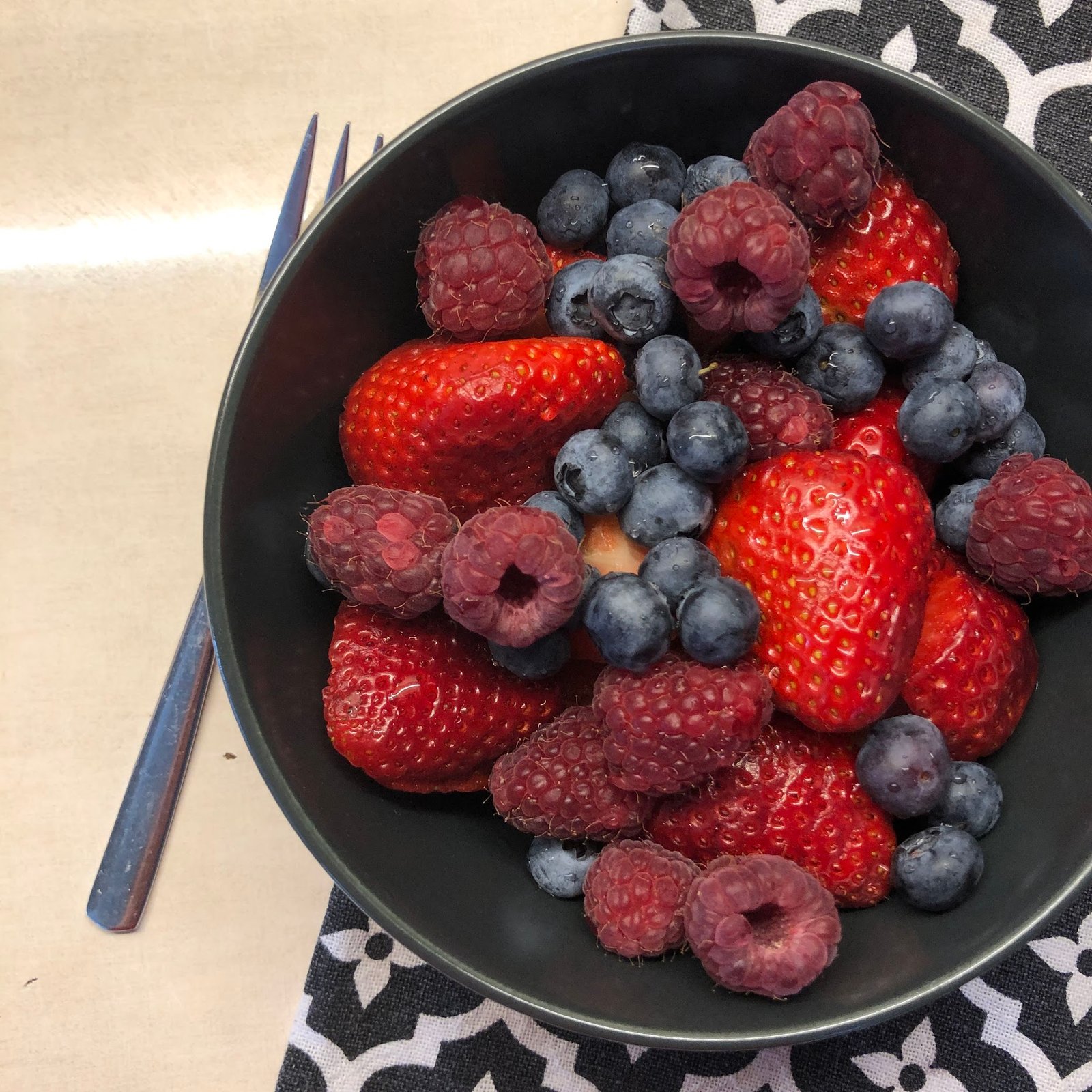
Raspberries are your best friend on keto. At 5.4g net carbs per 100g (about one cup), they’re the lowest carb berry you’ll find. They’re also incredibly high in fiber – 6.5g per 100g – which means they barely move your blood sugar. When I ate 80g of raspberries with full-fat Greek yogurt, my glucose went up only 15 points and came back down within an hour.
Blackberries come in second at 5.7g net carbs per 100g. They’re slightly sweeter than raspberries but equally fiber-rich. I find them perfect in salads with goat cheese and walnuts, dressed with olive oil and balsamic. That combination – the fat from cheese and nuts, the fiber from berries – creates almost no glycemic response.
Strawberries surprised me. At 6.7g net carbs per 100g, they’re higher than the other two, but still completely manageable. Eight medium strawberries weigh about 100g. That’s a generous serving that feels abundant, not restrictive. My favorite way: sliced strawberries with mascarpone and a tiny drizzle of Spanish olive oil. Sounds strange, tastes amazing, and the fat makes them even more blood-sugar friendly.
A woman in my Facebook group, Sofia, said something beautiful last month: “I spent two years avoiding strawberries. When I finally tried them again with cream cheese, I cried. Not because they tasted good – because I realized how much unnecessary suffering I’d put myself through.”
The Middle Ground: Blueberries (How to Make Them Work)
Blueberries are trickier. At 12g net carbs per 100g, they require more careful portioning. But here’s the thing – I’m not giving them up entirely, and you don’t have to either.
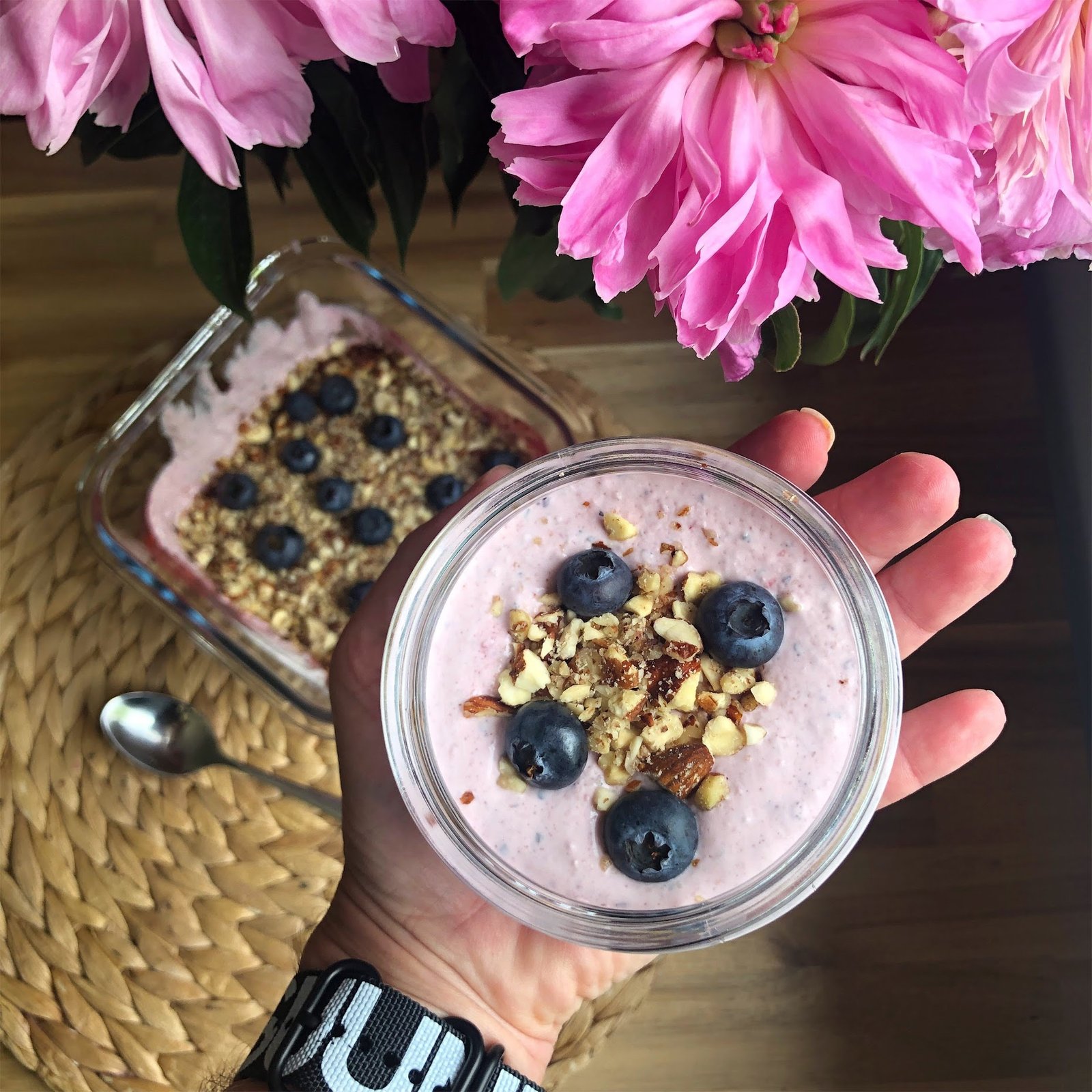
The key with blueberries is treating them as a garnish rather than the main event. I’ll add 10-15 blueberries (about 25g, or 3g net carbs) to my Greek yogurt bowl. That gives me the flavor and antioxidant boost without the carb overload.
Wild blueberries, which I sometimes find frozen, are actually lower in sugar and higher in antioxidants than cultivated varieties. If you can find them, they’re worth the extra cost.
When I tested blueberries, 100g caused a 35-point glucose spike – significant. But 25g? Only 12 points. This taught me that portions make all the difference between keto berries allowed and berries that knock you out of ketosis.
What I Skip (And Why)
I generally avoid grapes (16g net carbs per 100g), cherries (12g), and tropical fruits like mango and pineapple (13-15g). Not because they’re “bad” – they’re just not compatible with the ketogenic state I’m trying to maintain, especially given my limited carb budget.
That said, if I’m at a celebration and someone offers me two cherries? I eat them. Life is meant to be lived. The difference between me now and five years ago is that I don’t spiral into guilt and restriction afterward.
How Much Berry Can You Actually Eat on Keto?
This is the question everyone asks, and the answer is both simple and complicated: it depends.
I know, I know. You want a specific number. So here’s what works for me and most of the women I work with.
The 50g Sweet Spot (And How to Measure Without Obsessing)
For most women doing keto (aiming for 20-50g total carbs daily), 50-100g of low-carb berries fits comfortably into your macros. That’s:
- Half a cup of raspberries or blackberries (about 3g net carbs)
- 8-10 medium strawberries (about 7g net carbs)
- Or a mix: 6 strawberries plus a handful of raspberries
Here’s how I think about it without pulling out a scale every time: one cupped handful is roughly 50g. A small bowl (the kind you’d use for condiments) holds about 100g.
My friend Elena, who’s 51 and lost 25kg with Mediterranean keto, puts it perfectly: “I stopped weighing berries when I realized I’d never weighed potato chips or cookies in my old life. If I’m obsessing over whether I ate 55g or 65g of raspberries, I’ve missed the point entirely.”
Timing Matters: When to Eat Berries for Best Results
Through my glucose testing experiments, I learned that when you eat berries matters almost as much as how many.
The best times for berries:
- With breakfast: Your cortisol is naturally higher in the morning, which helps regulate the glucose response. My go-to is berries with full-fat Greek yogurt, walnuts, and a drizzle of olive oil.
- After exercise: Your muscles are primed to absorb glucose. Post-workout is the most forgiving time for any carbs, berries included.
- As part of a meal: Never eat berries alone as a snack. Always pair them with fat and protein.
The worst time? Late night, alone, without any fat or protein. That’s when you’ll see the biggest blood sugar impact and potentially disrupt sleep.
Combining Berries with Fat and Protein
This is non-negotiable if you want to include berries without compromising ketosis. The fat slows digestion and blunts the glucose response. The protein adds satiety and further stabilizes blood sugar.
My daily rotation:
- Berries with full-fat Greek yogurt (18-20% fat) and crushed walnuts
- Berries with mascarpone or clotted cream
- Berries in a salad with goat cheese, olive oil, and grilled chicken
- Berries with a few squares of 85% dark chocolate and manchego cheese
That last combination might sound odd, but trust me. The Spanish know what they’re doing when they pair fruit with cheese.
A 2022 study published in the Journal of Nutrition found that consuming berries with dairy fat reduced the glycemic response by up to 40% compared to eating them alone. The Mediterranean practice of ending meals with fruit and cheese isn’t just tradition – it’s metabolically smart.
Mediterranean Keto Berry Recipes That Actually Taste Good
I’m going to share what I actually eat weekly, not Instagram-worthy recipes I’ve made once. These are simple, real, and delicious enough that you’ll want them on repeat.
My Go-To Breakfast: Berry Bowl Three Ways
Version 1: The Greek
150g full-fat Greek yogurt, 50g raspberries, 8-10 walnut halves, tiny drizzle of olive oil, pinch of cinnamon. Sounds weird to add olive oil to yogurt, but it’s traditional in parts of Greece and adds richness. About 8g net carbs total.
Version 2: The Spanish
100g mascarpone, 6-8 sliced strawberries, crushed pistachios, grated dark chocolate. Feels like dessert but keeps me full until lunch. About 9g net carbs.
Version 3: The Simple
Thick Greek yogurt, 50g mixed berries (I use frozen and let them partially thaw), handful of sliced almonds, tiny drizzle of honey (yes, really – about 1/4 teaspoon adds 1.5g carbs but transforms the dish). About 10g net carbs.
Desserts That Don’t Feel Like ‘Diet Food’
Last week, I had friends over for dinner. I served berries with a selection of cheeses – aged manchego, creamy torta del casar, sharp idiazabal – plus walnuts and a few squares of good dark chocolate. Nobody knew they were eating “keto.” They just knew it was delicious.
That’s the Mediterranean way. Food is meant to be enjoyed, shared, celebrated.
Another favorite: I blend frozen raspberries with half an avocado, a splash of cream, and a tiny bit of monk fruit sweetener. It makes an incredible “ice cream” that’s more nutrient-dense than any store-bought keto dessert.
Surprising Savory Uses (Yes, Really)
This is where Mediterranean keto gets interesting. Berries aren’t just for breakfast and dessert.
I make a strawberry vinaigrette that’s become my signature: blend 4-5 strawberries with olive oil, red wine vinegar, Dijon mustard, salt, and pepper. Drizzle over a salad of arugula, grilled chicken, goat cheese, and walnuts. The tiny bit of strawberry adds brightness without significant carbs (spread over 4 servings, it’s negligible).
In Spain, game meats are sometimes served with berry reductions. I’ve adapted this: I’ll reduce a handful of blackberries with bone broth and butter to make a pan sauce for duck or venison. Rich, sophisticated, and the berries add depth without sweetness.
What to Do When Berries Stall Your Weight Loss
I saw a post on Reddit last month that stopped me cold. A woman wrote: “I’ve eliminated everything – berries, tomatoes, onions, carrots. I’m only eating meat, eggs, and cheese. I’m losing hair, I’m exhausted, but at least the scale moved two pounds.”
My heart broke reading that.
Are Berries Really the Problem? (Usually Not)
Here’s what I’ve observed over seven years: when someone hits a weight loss plateau and berries are the first thing they blame, berries are almost never the actual culprit.
The real issues I see most often:
- Too many “keto products” – bars, breads, ice cream with vegetable oils and inflammatory ingredients
- Not enough real food or variety
- Chronic stress and poor sleep (perimenopause, anyone?)
- Too much dairy, particularly cheese
- Under-eating or over-restricting, which tanks metabolism
- Not enough movement or too much intense exercise
Before you eliminate the handful of berries that brings you joy, look at these factors first.
The 2-Week Berry Reset Test
If you genuinely want to test whether berries are impacting your results, here’s the protocol I use with clients:
Week 1: Eliminate all berries but change nothing else. Track your weight, energy, cravings, and how you feel.
Week 2: Add berries back in measured amounts (50g daily with fat and protein). Continue tracking.
Compare the weeks. Did anything change? Be honest – not just about the scale, but about your quality of life, your satisfaction with meals, your ability to sustain this way of eating.
Anna, a 49-year-old in my community, did this test. She lost no additional weight without berries, but she reported feeling “deprived and sad.” When she added them back, she felt satisfied and stayed consistent with keto long-term. Six months later, she’s down 18kg – because she found a sustainable approach.
Adjusting for Your Body’s Signals
Individual carb tolerance varies wildly, especially in perimenopause when insulin sensitivity can fluctuate with our hormonal cycles. Some women can eat 100g of berries daily and maintain deep ketosis. Others need to stick to 30-50g.
The only way to know is to pay attention to your body’s signals:
- Increased cravings after eating berries? You might need smaller portions or better fat pairing.
- Energy crash 30-60 minutes after? Your blood sugar is spiking and crashing.
- Feeling great, sleeping well, losing weight steadily? Your current berry intake is working.
Trust your body more than arbitrary rules created by men in their 20s who’ve never experienced perimenopause.
The Bigger Picture: Why Real Food Beats Keto Rules
Can I be honest about something? The longer I live in Spain, the more I realize that American keto culture has gotten it backwards.
We’ve created a world where someone will drink a “keto shake” with sunflower oil, maltodextrin, and artificial sweeteners, but won’t eat six raspberries. We’ve made fear-based decisions about real food while embracing processed products because they fit our macros.
What I Learned Living in Spain About Food Freedom
My neighbor Pilar is 73. She’s slender, energetic, and sharp as a tack. She’s never counted a carb or macro in her life. She eats seasonally – berries in summer, oranges in winter, always with good olive oil, always with community, always with joy.
She has something that many keto dieters don’t: freedom.
I’m not suggesting we abandon keto principles. The metabolic benefits are real, especially for women in perimenopause. But I am suggesting that we can embrace those principles while eating like Mediterranean women who’ve maintained their health for generations.
That means yes to keto berries allowed in season. Yes to real food with natural sugars over processed products with artificial sweeteners. Yes to variety, color, antioxidants, and pleasure.
The Difference Between American Keto and Mediterranean Keto
American keto often asks: “Does this fit my macros?”
Mediterranean keto asks: “Is this real food that nourishes my body?”
American keto eliminates food groups and creates long lists of forbidden foods.
Mediterranean keto focuses on what to add: olive oil, fish, vegetables, herbs, moderate amounts of seasonal fruit.
American keto is often about rapid weight loss at any cost.
Mediterranean keto is about building health that lasts decades.
I lost 40kg with keto. But I’ve maintained that loss for seven years with Mediterranean keto – a version that includes berries, that prioritizes real food over products, that works with my 46-year-old perimenopausal body instead of against it.
A study published in 2023 in The Lancet followed women over 50 for ten years. Those who ate a Mediterranean diet with seasonal fruit consumption had better metabolic markers, lower inflammation, and maintained healthier weights than those on restrictive diets, including strict low-carb diets. Sustainability matters more than perfection.
So yes, you can eat berries on keto. You should eat berries on keto. Choose the lower-carb options, pair them with fat and protein, eat them seasonally and mindfully, and let go of the fear.
Your body doesn’t need another rule to follow. It needs nourishment, variety, and the freedom to eat real food without guilt.
That’s what I’ve learned from seven years of this journey, from living in a place where food is still sacred, from watching my body change through perimenopause while maintaining my results. The goal isn’t just to lose weight. It’s to build a life and a way of eating you can sustain with joy, forever.
And for me, that life includes fresh strawberries from the market, eaten with thick yogurt and olive oil, on a sunny morning in Spain. I hope you’ll find your version of that freedom too.