An email landed in my inbox last Tuesday that I can’t stop thinking about. “Susana,” it started, “I’m doing everything right. CrossFit four times a week, strict keto, intermittent fasting. But my belly fat is worse than ever, I can’t sleep, and I burst into tears at the smallest thing. What am I doing wrong?”
I knew exactly what she was doing wrong because I’d done it too. She was fighting her body with a hammer when what it needed was a gentle hand. The walking benefits cortisol in ways that intense exercise simply can’t match, especially for women over 40 whose hormonal landscape has completely shifted.
Let me tell you what happened when I stopped trying to prove how tough I was.
The Day I Realized My Workouts Were Working Against Me
Two years ago, I was still clinging to my old workout routine. High-intensity intervals, pushing through exhaustion, that burn-means-it’s-working mentality. I’d lost the weight seven years earlier with keto, and I thought maintaining it meant maintaining that same aggressive approach.
Then my naturopath ran a cortisol saliva test. Four samples throughout the day. The results? My cortisol was sky-high in the morning and completely flatlined by evening. “Your adrenals are screaming,” she said, pointing at the graph. “And every HIIT session is making it worse.”
I was floored. Weren’t intense workouts supposed to be good for fat loss? Wasn’t I supposed to push harder as I got older to fight the metabolic slowdown?
Turns out, perimenopause completely changes the rules.
Why Walking Changes Everything for Cortisol
Here’s what I wish someone had told me at 44: when your estrogen and progesterone start their erratic decline, your stress response becomes hypersensitive. Your body can’t tell the difference between a CrossFit session and running from a predator. Both spike cortisol dramatically.
A 2023 study from the University of California followed 200 perimenopausal women and found something fascinating. Women who did moderate-intensity walking for 30-45 minutes daily showed a 25% reduction in cortisol levels over 12 weeks. Women who continued high-intensity training? Their cortisol stayed elevated, and they gained an average of 2kg despite eating the same calories.
Walking works differently. It stimulates cortisol just enough to be healthy—yes, you need some cortisol—but doesn’t trigger that full-blown stress response that leaves you wired, exhausted, and storing fat around your middle.
My friend Carmen, who’s 49 and works in marketing here in Valencia, experienced this firsthand. “I was doing boot camp at 6am, feeling like death all day, gaining weight anyway,” she told me over coffee last month. “Three months of just walking to work and evening strolls with my husband? I lost 5kg without changing anything else. My doctor said my inflammation markers dropped significantly too.”
The Cortisol-Insulin-Belly Fat Triangle Nobody Talks About
This is where it gets really interesting, especially if you’re doing keto or low-carb like most of us in the Olive&Keto community.
Chronic high cortisol does three terrible things. First, it raises blood sugar even when you’re not eating carbs—your liver just dumps glucose into your bloodstream. Second, it makes your cells insulin resistant, so that glucose can’t get used for energy. Third, it specifically signals fat storage around your abdomen because your body thinks you’re in a famine situation and need reserves near your organs.
I watched this play out with a client I’ll call Sofia. She was eating 20g net carbs, doing everything “right” on paper, but her fasting glucose was 105 mg/dL and climbing. Her doctor wanted to put her on metformin. But her real problem wasn’t what she was eating—it was that she was doing Orange Theory five days a week and sleeping five hours a night while managing a stressful job and elderly parents.
We didn’t change her diet at all. We replaced four of those intense workouts with morning walks. Added a 20-minute evening stroll after dinner. Within six weeks, her fasting glucose was down to 92 mg/dL. Her waist measurement dropped 6cm. And she said, “I feel like myself again for the first time in two years.”
My Walking Protocol That Actually Works
After two years of experimenting on myself and working with dozens of women in my community, here’s what I’ve found works best for leveraging walking benefits cortisol control:
Morning Walk: The Cortisol Reset
I walk for 20-30 minutes within an hour of waking up, ideally before breakfast but after my coffee with a splash of heavy cream. This works with your natural cortisol spike rather than against it. Your cortisol should be highest in the morning—that’s healthy and normal. A moderate walk helps that spike rise and fall in a natural curve instead of staying elevated all day.
The key? Keep it conversational pace. If I can’t breathe through my nose comfortably, I’m going too hard. I used to think this meant I was being lazy. Now I understand it means I’m being strategic.
Research from the European Journal of Applied Physiology found that walking at 50-60% of maximum heart rate optimally supports the cortisol awakening response without triggering additional stress hormones. For most of us, that’s a pace where you could have a conversation but might not want to sing.
Evening Walk: The Wind-Down
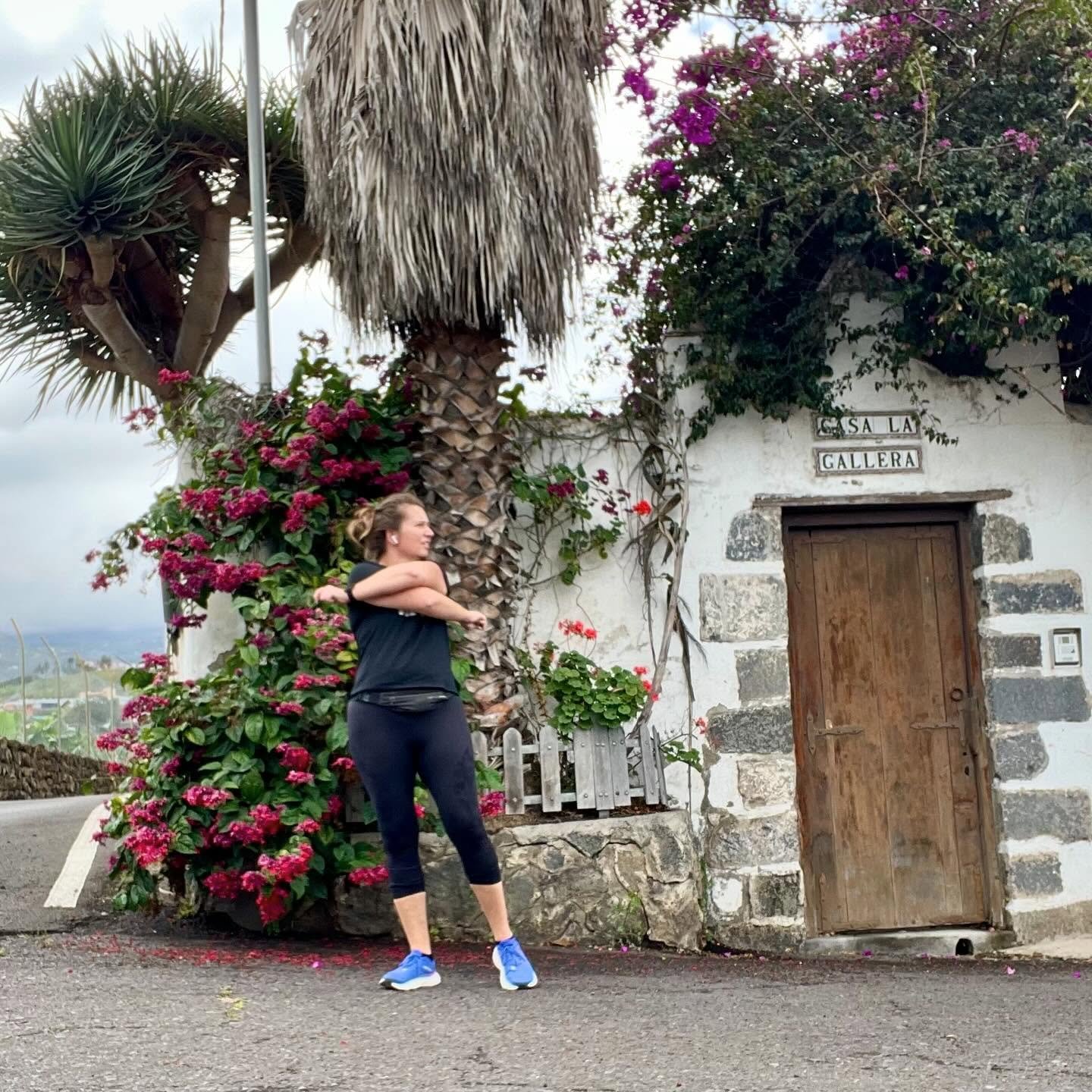
This is my non-negotiable. After dinner, even if it’s just 15 minutes around my neighborhood here in Valencia. This walk has a different purpose—it helps clear glucose from your meal (yes, even from low-carb meals) and starts bringing cortisol down for sleep.
Someone in my Facebook group asked last week, “Does it count if I walk on a treadmill while watching TV?” Honestly? It’s better than nothing, but you’re missing half the benefit. Being outside, especially in natural light, adds another layer of cortisol regulation. A 2024 study from Stanford found that outdoor walking reduced cortisol 28% more than indoor walking at the same intensity.
When I’m in Spain during summer, I do this walk after the sun starts dropping—around 8 or 9pm when it’s cooler. In winter, sometimes it’s a lunch walk instead. The point is consistency, not perfection.
What I Eat Around My Walks
This matters more than you might think. The Mediterranean keto approach I follow supports those walking benefits cortisol management in really specific ways.
Before a morning walk, I keep it minimal. Just black coffee or coffee with cream. Maybe a small handful of macadamia nuts if I’m genuinely hungry. I want my body accessing fat stores, not digesting a meal.
After my walk, I break my fast with something that supports hormone production and doesn’t spike insulin. Usually this looks like:
- Three eggs scrambled in olive oil with spinach and feta
- A piece of grilled fish leftover from dinner with arugula and olive oil
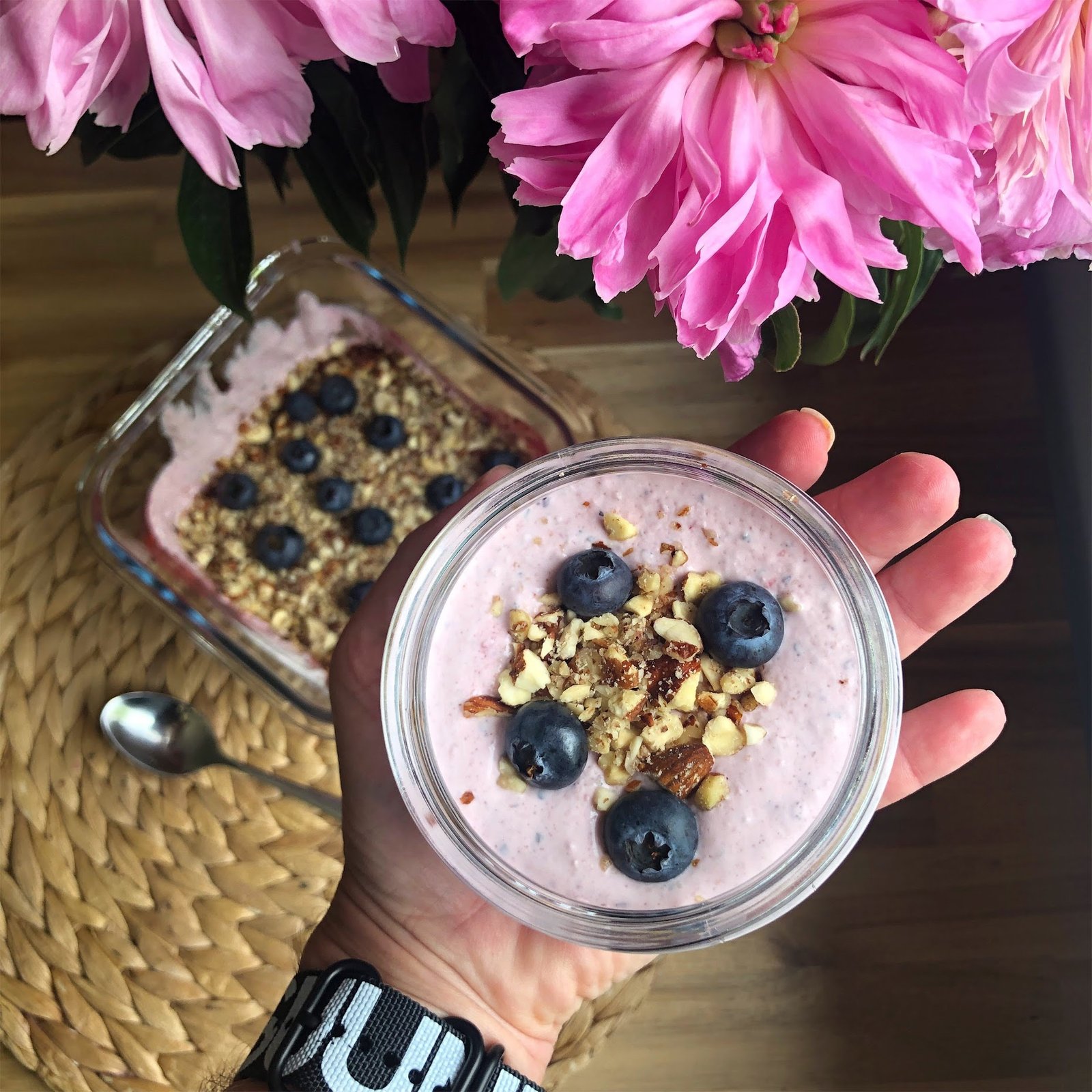
- Full-fat Greek yogurt with walnuts, cinnamon, and a drizzle of olive oil (yes, olive oil in yogurt—trust me on this)
The fat and protein combo helps extend that calm cortisol state instead of triggering another spike. When I used to have just coffee until noon, then break my fast with something too lean, I’d feel shaky and irritable. Now I understand that was my cortisol and blood sugar on a roller coaster.
After evening walks, I don’t eat again. That walk is part of my wind-down routine. But I’ll often have herbal tea—chamomile or lemon balm—which some research suggests may further support healthy cortisol patterns.
When I Still Do Intensity (Yes, Sometimes)
I’m not saying you should never elevate your heart rate. I still do a strength training session twice a week—but it looks nothing like what I used to do.
These sessions are short (30 minutes max), focused on progressive resistance with weights, and I don’t train to failure anymore. I stop when the movement gets hard, not when I physically can’t do another rep. And they’re always in the afternoon or early evening, never first thing in the morning when my cortisol is already naturally high.
Anna, who’s 51 and part of our online community, told me something that perfectly captures this shift: “I used to think rest days meant I was weak. Now I understand that walking IS my workout, and the two strength sessions are just maintenance. It’s completely backward from what I believed for 30 years, but I’m finally seeing my body change in the right direction.”
The Sleep Connection Nobody Warned Me About
Here’s something that took me embarrassingly long to connect: the walking benefits cortisol rhythm restoration, which directly impacts sleep quality, which then further regulates cortisol the next day. It’s a beautiful positive cycle.
Before I made this shift, I’d lie awake until 2am with my mind racing, then wake up at 5am drenched in sweat. Classic perimenopause, I thought. Just something to endure. But when I started walking regularly and stopped hammering my body with intense exercise, my sleep transformed within three weeks.
A study published in the Journal of Clinical Endocrinology tracked this exact pattern. Perimenopausal women who replaced vigorous exercise with moderate daily walking showed improved sleep onset (falling asleep faster), fewer nighttime wakings, and more time in deep sleep. Their morning cortisol levels normalized within eight weeks.
I track my sleep with an Oura ring—I’m a data nerd, I admit it—and I can see this play out in real time. On days when I stick to walking, my deep sleep averages 90-110 minutes. If I do something intense or skip walking entirely, it drops to 40-60 minutes. My body doesn’t lie.
What About Weight Loss?
I know this is what you’re really wondering. Can you lose weight just by walking? Won’t you burn more calories with intense exercise?
Here’s my experience: I lost 40kg with keto and a mix of workouts, including some intense ones. But I lost the last stubborn 5kg, and more importantly, I’ve maintained my weight loss for two years, by walking. Just walking.
The math that trainers love to quote—calories in, calories out—doesn’t account for hormones. When your cortisol is chronically elevated, your body holds onto fat like it’s preparing for famine, no matter your calorie deficit. When your cortisol is regulated, your body feels safe enough to release stored energy.
I saw a post on Reddit last month in a perimenopause forum that broke my heart. A woman wrote, “I’m eating 1200 calories and running 5 miles a day. I’ve gained 7 pounds in three months. I want to give up.” The responses were all telling her to eat even less or exercise more. Nobody was addressing the cortisol spiral she was clearly in.
Walking doesn’t burn as many calories in the moment—true. But it creates a metabolic environment where your body can actually respond to your healthy food choices. Where insulin can do its job. Where stored fat can be accessed for energy.
The Inflammation Factor
One more thing I need to mention because it’s huge: chronic high cortisol drives inflammation, and inflammation makes every single perimenopause symptom worse. Joint pain, brain fog, hot flashes, mood swings—all amplified by inflammation.
Walking is powerfully anti-inflammatory, especially when combined with Mediterranean keto foods. That combination of moderate movement, healthy fats from olive oil and fish, omega-3s, and antioxidants from vegetables creates a synergistic effect.
My friend Lucia, who’s 54 and has rheumatoid arthritis, started walking 40 minutes daily while eating the Mediterranean keto way. Her inflammation markers (CRP) dropped from 8.2 to 2.1 in four months. Her rheumatologist was stunned. She’s reduced one of her medications and feels better than she has in a decade.
What This Actually Looks Like in Real Life
I want to be really honest about implementation because I know you’re busy. You probably have a job, maybe kids or aging parents, a partner, responsibilities. You might be reading this thinking, “Susana, this sounds lovely, but I barely have time to shower.”
I get it. Here’s what my absolute minimum looks like on chaotic days:
Morning: 15-minute walk around my block before my first coffee. Sometimes I’m in my pajamas with a jacket over them. Sometimes I take work calls while walking. It’s not Instagram-worthy, but it happens.
Evening: 10 minutes after dinner. Just out the door, around the neighborhood, back. If it’s raining, I put on a jacket. If I’m exhausted, I go anyway because it actually gives me energy.
That’s 25 minutes total. Less time than one episode of a TV show. And the impact on my cortisol, my sleep, my body composition, and my mental state is profound.
On better days, I extend both walks. On weekends, I do longer walks—an hour or more—exploring new areas, walking to markets, making it social by going with friends. But those minimum days? They’re still completely effective.
What Changed for Me
I’m going to get a bit vulnerable here. Before I understood how walking benefits cortisol and made this shift, I was constantly anxious. Not about anything specific—just a background hum of worry and overwhelm. I’d snap at my husband over nothing. I’d cry at commercials. My brain felt foggy and slow.
I thought this was just perimenopause. Something to white-knuckle through until menopause arrived and hopefully things calmed down. My doctor offered antidepressants. I wasn’t against them, but I wanted to try addressing the root cause first.
Within two months of prioritizing walking over intense exercise, that anxiety lifted. Not completely—I’m still human, still navigating hormone changes—but probably 70% better. My husband noticed before I did. “You seem calmer,” he said one day. “Less on edge.”
My brain fog cleared. I stopped needing an afternoon nap just to function. The weight around my middle that had appeared seemingly overnight and refused to budge? It started melting away, slowly but steadily.
This wasn’t about willpower or discipline. It was about working with my changing body instead of trying to force it into submission.
You’re Not Lazy, You’re Smart
The hardest part of this shift was the mental game. I’d spent 25 years believing that harder was better. That if I wasn’t drenched in sweat and couldn’t walk the next day, I hadn’t really worked out. That rest was for the weak.
Unlearning that took time. I had to remind myself that walking is exercise. That gentle is not the same as ineffective. That my body at 46 needs something different than my body at 26, and that’s not failure—it’s adaptation.
If you’re reading this and feeling resistance—if part of you is thinking, “But I need to push harder, I need to do more”—I see you. I was you. And I’m telling you from the other side: there is so much power in doing less intensity and more consistency.
Your body is not the enemy. These hormonal changes are not punishment. And walking, simple walking, is one of the most powerful tools we have to navigate this transition with grace instead of struggle.
The walking benefits cortisol regulation aren’t just about stress management—they’re about creating an internal environment where your body feels safe enough to heal, to release, to rebalance. Where you can finally work with your hormones instead of constantly fighting against them.
So tomorrow morning, before you check your email or scroll through your phone, put on shoes and go outside. Walk for 15 minutes. Notice how you feel. And then do it again the next day. You don’t need a special program or expensive equipment. You just need to show up for yourself in this gentle, consistent way.
We’re all figuring this out together, one step at a time.