Last Tuesday at 3pm, I was sitting in a café in Málaga with my friend Carmen, both of us in our mid-forties, when she suddenly grabbed a napkin and started fanning herself frantically. “Not again,” she whispered, her face flushing crimson. We’d just shared a piece of chocolate cake with our coffee, and within twenty minutes, she was experiencing one of those brutal hot flashes that make you want to crawl out of your own skin. That’s when I realized I needed to write this post about hot flash trigger foods, because so many of us have no idea that what we’re eating could be making our perimenopause symptoms exponentially worse.
I’ve been there. Three years ago, I was having 15 to 20 hot flashes a day. I’d wake up at 2am drenched in sweat, strip the sheets, and lie there feeling utterly defeated. During the day, I’d be in the middle of a conversation and suddenly feel that telltale warmth creeping up my chest and neck. The worst part? I had no idea that my diet was throwing gasoline on an already raging fire.
The Wake-Up Call That Changed Everything
It was Anna, one of the women in my online community, who first made me connect the dots. She sent me a message that said: “Susana, I tracked my hot flashes for two weeks along with everything I ate. There’s definitely a pattern.” She’d noticed that certain foods consistently triggered episodes within 30 to 90 minutes of eating them.
I decided to do the same experiment. I kept a food and symptom journal for three weeks, and the patterns were impossible to ignore. Some foods I’d been eating daily, thinking they were harmless or even healthy, were literally triggering my worst symptoms.
The Hot Flash Trigger Foods I Had to Say Goodbye To
Sugar and Refined Carbs: The Worst Offenders
This one broke my heart initially because I loved my afternoon piece of fruit or the occasional sweet treat. But the data from my journal was crystal clear. Every time I had something high in sugar or refined carbohydrates, a hot flash would follow within the hour.
The science backs this up completely. When you eat sugar or refined carbs, your blood sugar spikes rapidly, then crashes. That rollercoaster triggers the release of stress hormones like cortisol and adrenaline. For women in perimenopause, whose hormonal systems are already unstable, this creates the perfect storm for hot flashes.
A study published in the American Journal of Clinical Nutrition in 2023 followed 500 perimenopausal women and found that those who consumed high amounts of refined carbohydrates experienced 42% more frequent hot flashes compared to women who maintained stable blood sugar levels through low-glycemic eating.
Alcohol: My Hardest Breakup
Living in Spain, wine is part of the culture. It’s how we socialize, how we unwind, how we celebrate. Giving up my evening glass of Rioja felt like losing a piece of my identity.
But alcohol was triggering hot flashes for me like nothing else. Even a single glass would cause vasodilation, which means my blood vessels would expand, bringing more blood to the surface of my skin and creating that intense feeling of heat. Beyond the immediate effect, alcohol also disrupts sleep quality and interferes with estrogen metabolism, making all perimenopause symptoms worse.
I remember reading a post in a perimenopause forum where a woman wrote: “I gave up alcohol for 30 days and my hot flashes dropped from 12 a day to 3. I thought it was a coincidence until I had a glass of wine at a wedding and woke up that night like I was sleeping in a sauna.” Her experience mirrored mine exactly.
Caffeine: The Morning Betrayal
This one still hurts. I’m Spanish, we take our coffee seriously. But my beloved morning café con leche was betraying me.
Caffeine is a stimulant that triggers your sympathetic nervous system, the same system responsible for the fight-or-flight response. It raises your heart rate, increases blood flow, and elevates your body temperature. For perimenopausal women whose thermostats are already malfunctioning, caffeine essentially overrides our body’s ability to regulate temperature.
My client Maria, a 48-year-old accountant from Valencia, told me she was having intense hot flashes every single morning during her commute. When we looked at her routine, she was drinking two large coffees before 9am. Within a week of switching to herbal tea, her morning hot flashes virtually disappeared.
Spicy Foods: A Cultural Challenge
I love spicy food. Patatas bravas with extra hot sauce, spicy chorizo, pimientos de padrón. But capsaicin, the compound that makes food spicy, literally raises your body temperature and increases blood flow. That’s why your face gets flushed when you eat something spicy even when you’re not in perimenopause.
During perimenopause, that mechanism goes into overdrive. What used to be a pleasant warmth becomes a full-body inferno. I had to significantly reduce the spice level in my cooking, though I haven’t eliminated it completely because life needs some heat in it, right?
Processed Foods and Additives
This includes anything with MSG, artificial sweeteners, and preservatives. These chemicals can trigger inflammatory responses in the body, and inflammation is strongly linked to hot flash frequency and intensity.
A woman in my Facebook group, let’s call her Isabel, discovered that her “healthy” protein bars were loaded with artificial sweeteners and preservatives. She was eating two a day for convenience. When she switched to real food, simple things like a handful of almonds and some cheese, her hot flashes decreased noticeably within five days.
What I Eat Now Instead: My Mediterranean Rescue Plan
The good news is that once I understood which hot flash trigger foods were causing problems, I could replace them with alternatives that actually helped stabilize my symptoms. This is where my Mediterranean roots saved me.
Olive Oil: My New Best Friend
I drizzle good quality extra virgin olive oil on everything. Salads, roasted vegetables, grilled fish, even just dipped with some crusty low-carb bread made from almond flour. The healthy fats help stabilize blood sugar, reduce inflammation, and support hormone production.
Research from the University of Athens showed that women who consumed at least 2 tablespoons of olive oil daily experienced 25% fewer hot flashes compared to women who used other cooking fats. The polyphenols in olive oil have a direct anti-inflammatory effect that seems to calm the vasomotor symptoms.
Fatty Fish: Cooling From Within
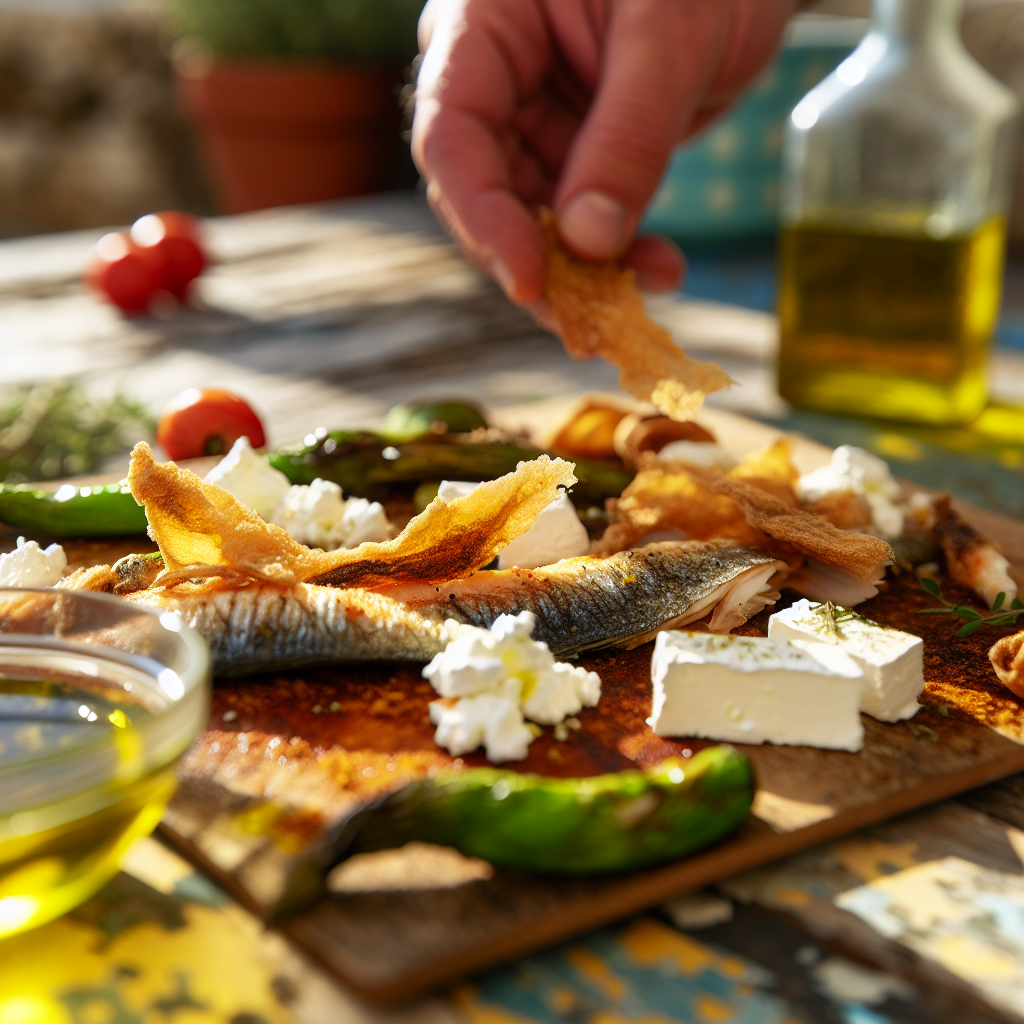
I eat salmon, sardines, mackerel, or anchovies at least four times a week. The omega-3 fatty acids in these fish are incredibly anti-inflammatory and help regulate body temperature. Plus, they keep me satisfied without causing any blood sugar spikes.
My friend Lucia, who’s 51 and lives near the coast in Tarragona, started eating sardines three times a week after I suggested it. She texted me three weeks later: “I don’t know if it’s the fish or a miracle, but I’m sleeping through the night for the first time in two years.”
Leafy Greens and Cruciferous Vegetables
Spinach, kale, chard, broccoli, cauliflower. I load my plate with these. They’re rich in calcium, magnesium, and other minerals that support the nervous system and help regulate body temperature. They also contain compounds that help your liver metabolize estrogen more efficiently.
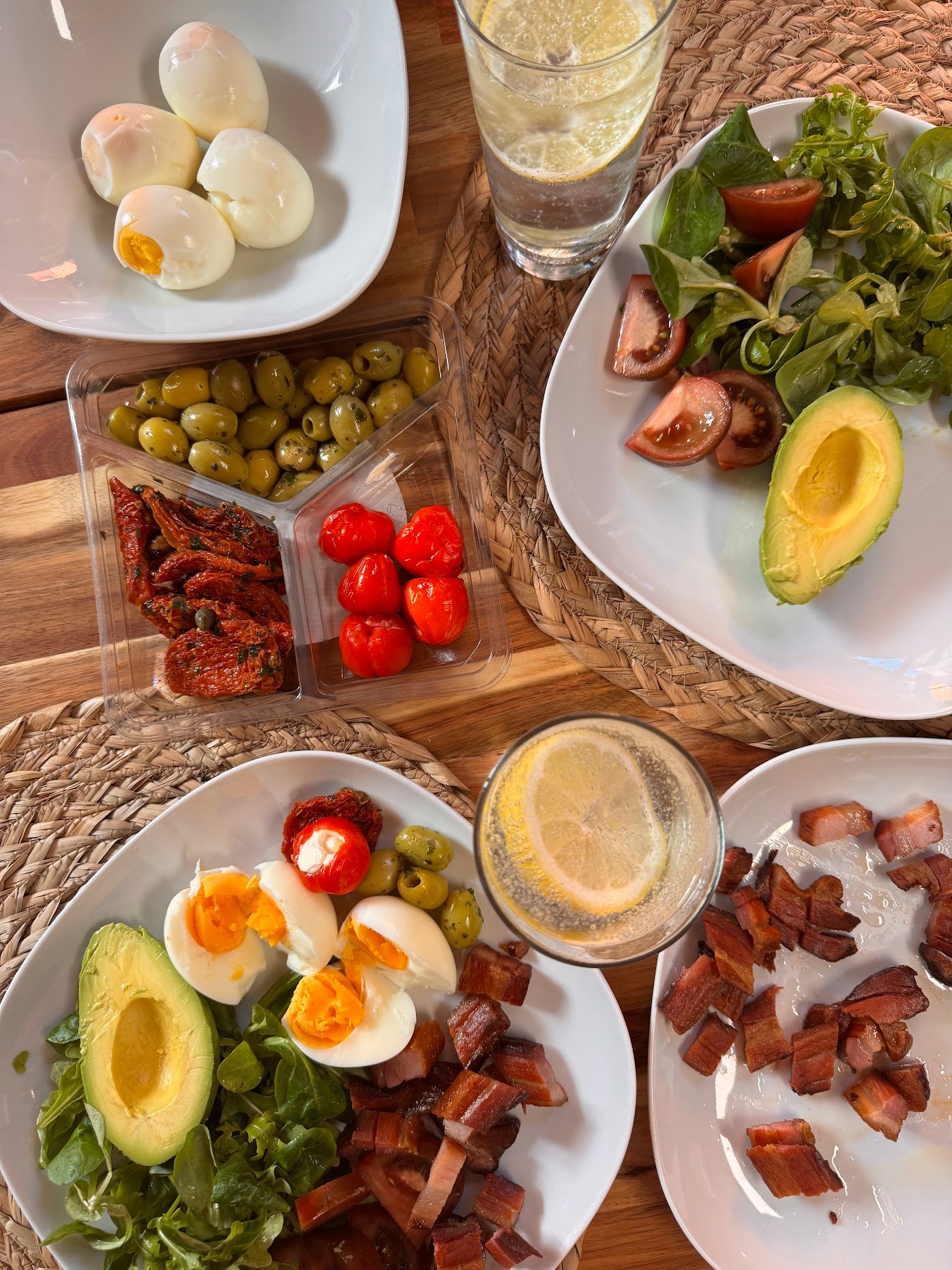
I make a big salad almost every day with mixed greens, olive oil, lemon juice, some feta cheese, and whatever vegetables I have on hand. It’s become my anchor meal, the one thing I know will never trigger symptoms.
Nuts and Seeds
Almonds, walnuts, pumpkin seeds, sunflower seeds. These are my go-to snacks now instead of anything sweet. They provide protein, healthy fats, and minerals like magnesium and zinc that are crucial for hormone balance.
I keep a small container of mixed nuts in my bag at all times. When that 4pm hunger hits, I eat a handful with maybe some olives or a piece of cheese, and I stay satisfied without any temperature spikes.
Herbal Teas: My Evening Ritual
I replaced wine with herbal teas, and honestly, it took some adjustment. But now I love my evening ritual of sage tea or chamomile with a splash of full-fat cream. Sage in particular has been studied for its effects on hot flashes. A Swiss study found that women who drank sage tea daily reduced their hot flash frequency by up to 50% within eight weeks.
The Foods I Can Tolerate in Moderation
Not everything has to be black and white. I’ve found some foods that I thought would trigger hot flashes but actually don’t affect me much in small amounts.
Dark chocolate (85% cacao or higher) in a small square after dinner doesn’t seem to bother me. Maybe it’s the lower sugar content, or maybe it’s the magnesium. Either way, I’m not giving up that one small pleasure.
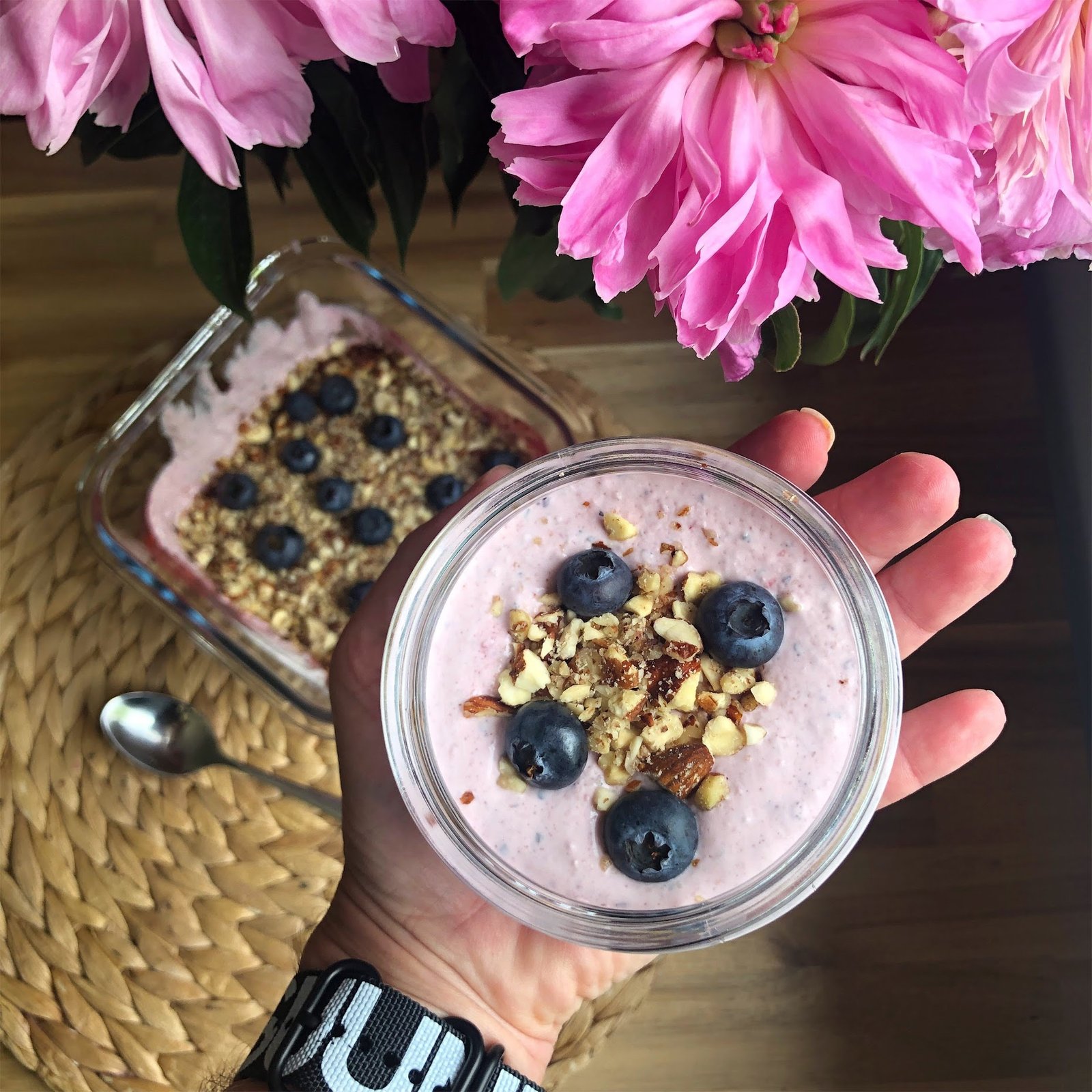
Fermented foods like Greek yogurt, kefir, and sauerkraut have been neutral or even helpful. The probiotics seem to support gut health, which emerging research suggests plays a role in hot flash frequency.
What the Research Actually Says
A comprehensive study published in Menopause journal in 2024 analyzed dietary patterns and vasomotor symptoms in over 1,200 women. They found that women following a Mediterranean-style low-carb diet reported 64% fewer severe hot flashes compared to women eating a standard Western diet high in processed foods and sugar.
The researchers concluded that it’s not just about avoiding trigger foods, but also about including anti-inflammatory, nutrient-dense foods that support the body’s natural temperature regulation and hormone balance.
The Two-Week Experiment That Could Change Everything
If you’re drowning in hot flashes right now, I want you to try something. For just two weeks, eliminate the major trigger foods I’ve mentioned: sugar, refined carbs, alcohol, and excessive caffeine. At the same time, load up on olive oil, fatty fish, leafy greens, and nuts.
Keep a simple journal. Note what you eat and when you have hot flashes. You don’t need to be scientific about it, just observe the patterns.
Elena, a 44-year-old nurse who joined my community six months ago, did this experiment and messaged me: “I was skeptical because I’ve tried everything. But after 10 days, my hot flashes went from unbearable to manageable. I’m not cured, but I feel like I have my life back.”
It’s Not Just About the Food
I need to be honest with you. Eliminating hot flash trigger foods made a massive difference for me, but it wasn’t the only thing I changed. I also started prioritizing sleep, managing stress better, and moving my body daily even if just a 20-minute walk.
Our bodies are complex systems, especially during perimenopause when everything feels like it’s malfunctioning at once. Food is a powerful lever, maybe the most powerful one we can control, but it works best as part of a broader approach to supporting yourself through this transition.
The Freedom on the Other Side
I’m not going to lie and say I never miss my old habits. Sometimes I watch friends enjoying a glass of wine or a beautiful pastry and feel a little pang of loss. But then I remember what my life was like when I was having 15 hot flashes a day. I remember the exhaustion, the embarrassment, the feeling of being trapped in a body I couldn’t control.
Now, on a good week, I might have two or three mild hot flashes. They’re manageable. They don’t wake me up at night or interrupt my conversations. I can live my life without constantly anticipating the next wave of heat.
That freedom is worth more than any food I’ve given up.
You deserve to feel comfortable in your own body. You deserve to sleep through the night. You deserve to get through a work meeting or a dinner with friends without fear. Identifying and eliminating your personal hot flash trigger foods might be the key that unlocks that freedom for you, just like it was for me and for so many women in our community. You’re not alone in this, and you don’t have to just suffer through it. There are real, practical things you can do, starting with what you put on your plate today.