The night I woke up drenched in sweat after my “celebration” glass of wine, I knew something had to change. I’d lost 40 kg with keto, but perimenopause was playing by different rules—and certain hot flash trigger foods were making my symptoms absolutely unbearable. That small glass of Rioja I’d enjoyed with dinner? It turned my bedroom into a sauna by 2 AM.
Living in Spain, I’m surrounded by incredible food. But at 46, navigating perimenopause, I’ve had to completely rethink my relationship with foods I once loved. Even foods that helped me lose weight seven years ago were now sending my internal thermostat into chaos.
Here’s what I’ve learned about hot flash trigger foods—and more importantly, what I eat now that keeps me cool, satisfied, and thriving through this transition.
Why Some Foods Trigger Hot Flashes (And Others Don’t)
I used to think hot flashes were random. One day I’d be fine, the next I’d be fanning myself in a client meeting. Then I started tracking my food alongside my symptoms, and the patterns became impossible to ignore.
My friend Elena, who’s 49 and works in marketing in Valencia, had the same revelation. “I thought I was going crazy,” she told me over herbal tea last month. “Then I realized every time I had my afternoon cortado, I’d have a hot flash within an hour.”
The Blood Sugar-Hot Flash Connection
Here’s what’s happening in your body: when blood sugar spikes quickly, it triggers a cascade of hormonal responses. Your blood vessels dilate, your heart rate increases, and your body temperature regulation goes haywire. Research from the Journal of Clinical Endocrinology shows that glycemic variability is directly linked to hot flash frequency in perimenopausal women.
For women already dealing with fluctuating estrogen levels, these blood sugar spikes hit differently than they did in our 30s. Our bodies are more sensitive, more reactive, more prone to temperature dysregulation.
How Inflammatory Foods Amplify Symptoms
Inflammation affects your hypothalamus—the part of your brain responsible for temperature regulation. When inflammation is high, your internal thermostat becomes oversensitive. A 2023 study of 600 perimenopausal women found that those with higher inflammatory markers experienced hot flashes 40% more frequently than women with lower inflammation.
This is where Mediterranean keto becomes powerful. The anti-inflammatory foods I focus on—olive oil, fatty fish, leafy greens—actually help calm that oversensitive temperature response.
Why “Healthy” Keto Foods Can Still Be Triggers
This surprised me the most. I was eating “perfectly” keto—hitting my macros, staying under 20g carbs. But I was still having 8-10 hot flashes daily. The culprit? Those convenient keto protein bars I relied on for afternoon snacks. The artificial sweeteners and inflammatory seed oils were triggering my symptoms despite being technically keto-compliant.
Not all hot flash trigger foods are obvious carbs and sugar. Some are marketed as health foods, even keto foods.
Hot Flash Trigger Food #1: Coffee (Even Bulletproof)
I know. I KNOW. This one hurt me too.
For years, I started every morning with a large bulletproof coffee—grass-fed butter, MCT oil, the whole routine. It was part of my identity as a keto person. But by 10 AM, I was peeling off layers and opening windows in January.
Why Caffeine Dilates Blood Vessels
Caffeine is a vasoactive substance, meaning it affects your blood vessels. It increases cortisol levels and stimulates your central nervous system. For many perimenopausal women, this triggers the exact same physiological response as a hot flash—dilated blood vessels, increased heart rate, sweating.
Research published in Menopause journal found that women who consumed caffeine experienced more frequent and severe hot flashes compared to those who didn’t. The effect was dose-dependent—more caffeine meant worse symptoms.
And here’s the thing: the hot temperature of the beverage itself can be a trigger. I was essentially giving my body a double whammy every morning.
What I Drink Instead: My Mediterranean Morning Ritual
Giving up my morning coffee ritual was genuinely hard. I’m not going to pretend otherwise. But I found alternatives that I actually love now.
Most mornings, I start with room-temperature water with fresh lemon and a pinch of sea salt. Then I’ll have a cup of Greek mountain tea (sideritis) or sage tea—both traditional Mediterranean herbs known for their cooling properties. Sage, specifically, has been used for generations to reduce sweating and hot flashes.
On days when my symptoms are mild, I’ll have one small Greek coffee (like an espresso) around 10 AM. The key is timing, temperature, and amount. Small, occasional, and never on an empty stomach.
Hot Flash Trigger Food #2: Alcohol (Yes, Even Red Wine)
Living in Spain and giving up wine feels almost sacrilegious. Wine is woven into the social fabric here. Evening paseos end at terrace bars. Dinners with friends center around bottles of Tempranillo or Albariño.
But alcohol became my most reliable hot flash trigger, especially at night.
How Alcohol Disrupts Temperature Regulation
Alcohol causes vasodilation—your blood vessels expand, sending blood rushing to your skin’s surface. This is why you feel warm after drinking. For perimenopausal women, this mimics and triggers the hot flash response.
Beyond the immediate effect, alcohol disrupts your sleep architecture. Even one glass can reduce REM sleep and increase nighttime waking. Less sleep means more stress hormones, which means more hot flashes the next day. It’s a vicious cycle.
A study from the North American Menopause Society found that women who consumed alcohol experienced more frequent night sweats and sleep disturbances than non-drinkers. Red wine was particularly problematic due to histamine content.
The Social Challenge (Living in Spain)
I’m not going to lie—this has been socially awkward. When everyone at the table is enjoying wine and you’re ordering sparkling water, questions come up.
I’ve learned to be direct: “It triggers my hot flashes.” Most women over 40 immediately understand. And honestly? Several friends have quietly told me they’ve noticed the same connection and appreciate me normalizing the conversation.
My Alcohol-Free Aperitivo Alternatives
I’ve found ways to participate in the ritual without the alcohol. Sparkling water with a slice of orange and fresh herbs feels festive. Some bars here make incredible non-alcoholic vermut alternatives. At home, I’ll make “Mediterranean mocktails” with herbal teas, citrus, and sparkling water.
The ritual matters more than the alcohol itself, I’ve discovered. Sitting with friends, watching the sunset, enjoying good conversation—none of that requires wine.
Hot Flash Trigger Food #3: Spicy Foods
This is the most obvious trigger, and yet I resisted accepting it for months. I love harissa, piri-piri, chili flakes on everything. Spicy food makes me happy.
But capsaicin—the compound that makes peppers spicy—literally raises your body temperature. It’s not subtle. Within minutes of eating spicy food, I’d feel the heat rising from my chest to my face.
The Capsaicin-Temperature Connection
Capsaicin binds to pain receptors in your mouth that also respond to heat. Your body interprets this as actual heat and responds accordingly—sweating, increased blood flow to your skin, all the classic hot flash symptoms.
For women already dealing with temperature dysregulation, adding a known thermogenic food is like throwing gasoline on a fire.
Mediterranean Flavor Without the Heat
The good news? Mediterranean cuisine offers incredible flavor complexity without relying on heat. I’ve replaced my spicy triggers with:
- Za’atar—this Middle Eastern herb blend adds incredible depth without any heat
- Sumac—bright, lemony, slightly tart, it makes everything better
- Fresh herbs—oregano, thyme, rosemary, basil in abundance
- Garlic and lemon—the backbone of Mediterranean flavor
- Quality olive oil—good EVOO has peppery notes that satisfy without triggering
I can reintroduce small amounts of mild heat now that my symptoms have stabilized. But during the worst months, complete elimination made a measurable difference.
Hot Flash Trigger Food #4: Sugar & Refined Carbs
You’d think this would be obvious for someone who’s been keto for seven years. But hot flash trigger foods in this category include supposedly “healthy” Mediterranean foods that caught me off guard.
The Blood Sugar Rollercoaster Effect
When blood sugar spikes rapidly, insulin floods your system to bring it back down. This crash triggers a stress response—cortisol and adrenaline release—which directly triggers hot flashes.
Research from the Women’s Health Initiative showed that women with more stable blood sugar had significantly fewer vasomotor symptoms. The connection is clear and measurable.
Hidden Sugars in “Mediterranean” Foods
Here’s where I got tripped up: many traditionally Mediterranean foods are too high in sugar and carbs for perimenopausal women, especially if you’re prone to hot flashes.
Greek yogurt with honey? Triggered hot flashes within 30 minutes. Fresh figs? Same thing. Even balsamic vinegar in the amounts I was using contained enough sugar to cause issues. These are healthy foods, but they weren’t working for my perimenopausal body.
My Stable Blood Sugar Staples
I’ve adapted Mediterranean eating to keep my blood sugar rock solid:
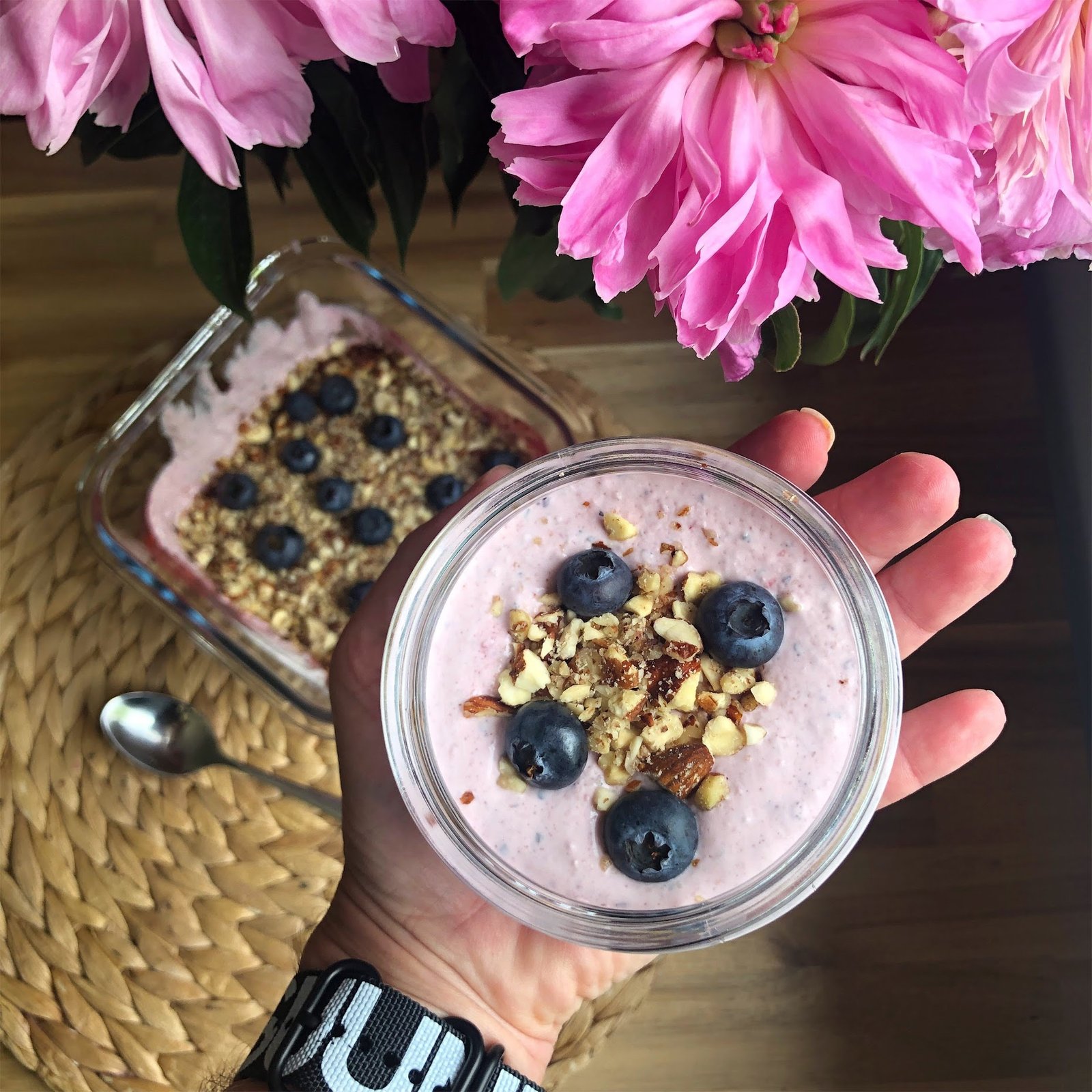
- Full-fat Greek yogurt (unsweetened) with a handful of walnuts and a few fresh blueberries
- Grilled sardines or mackerel with lots of olive oil and lemon
- Horiatiki salad (Greek village salad) with extra feta and olives, no tomatoes or cucumber if I’m being strict
- Roasted vegetables—eggplant, zucchini, bell peppers—with olive oil and herbs
- Grass-fed lamb or beef slow-cooked with Mediterranean spices
These meals keep me satisfied for hours without any blood sugar drama or hot flashes.
Hot Flash Trigger Food #5: Processed “Keto” Products
This might be controversial in keto circles, but I have to say it: those convenient keto bars, shakes, and packaged snacks were making my hot flashes worse.
Why Keto Bars and Shakes Made Things Worse
I was eating Quest bars, Atkins shakes, keto cookies—all the things marketed to make keto convenient. My carbs were low, but I was still having constant hot flashes.
A woman named Sofia in my Facebook group shared something that made me rethink everything: “I cut out all packaged keto products and my hot flashes decreased by half within a week. I couldn’t believe processed food could be the problem when my macros were perfect.”
I tried her approach. Within five days, my hot flash frequency dropped noticeably.
The Inflammatory Ingredient Problem
Most keto convenience products contain inflammatory ingredients that perimenopausal bodies don’t handle well:
- Artificial sweeteners (erythritol, sucralose, maltitol) can trigger insulin responses and inflammation in sensitive individuals
- Seed oils (sunflower, safflower, canola) are highly inflammatory and ubiquitous in keto packaged foods
- Processed proteins (soy protein isolate, whey protein concentrate) with additives and fillers
- Preservatives and stabilizers that increase gut inflammation
Research increasingly shows that inflammation is a key driver of menopausal symptoms, including hot flashes. Why add inflammatory processed foods when you’re trying to reduce inflammation?
Real Mediterranean Foods That Actually Help
Instead of reaching for a keto bar when I’m hungry, I keep these ready:
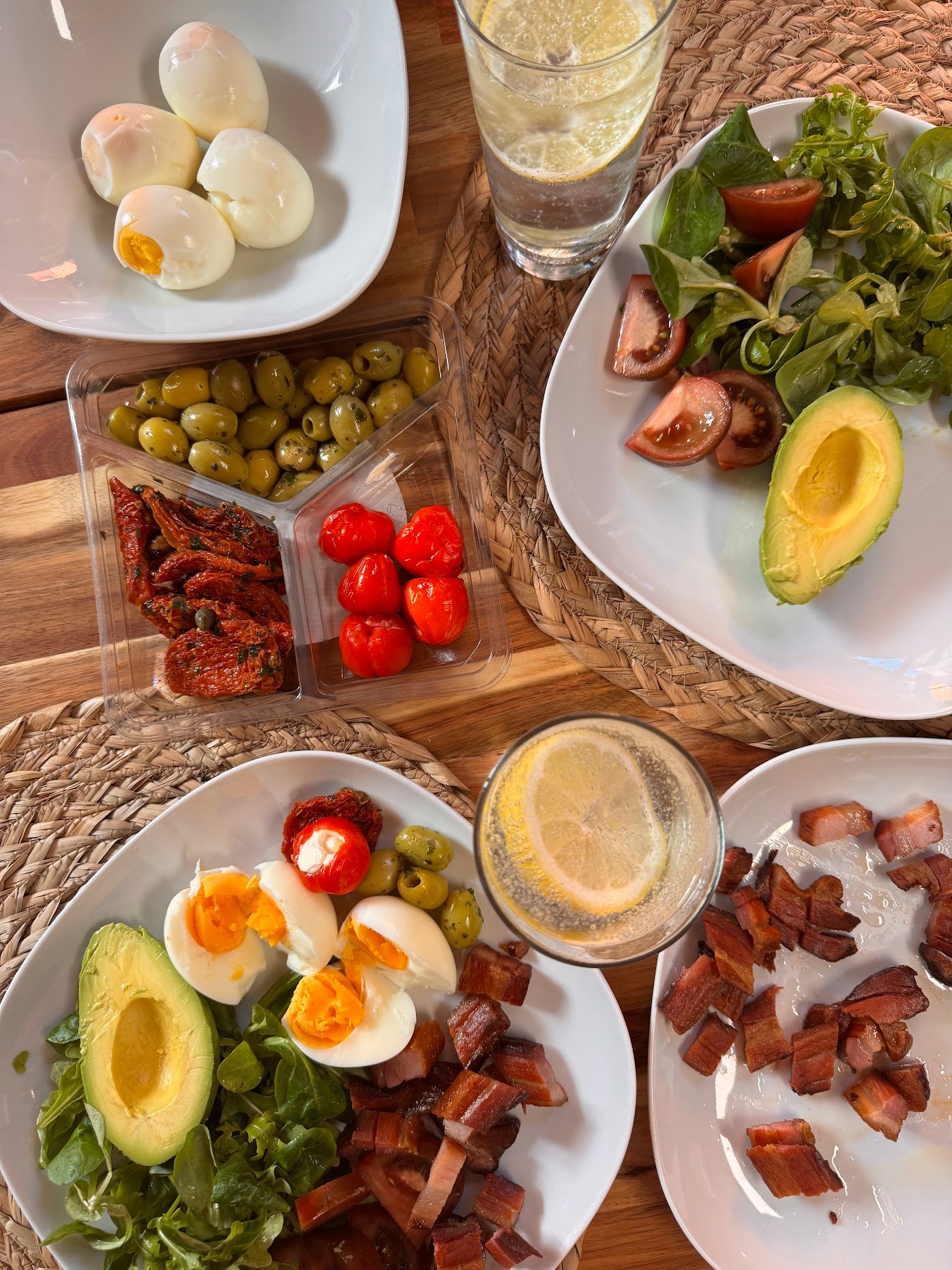
- A jar of good olives
- Chunks of aged Manchego or Greek feta
- Tinned sardines or anchovies
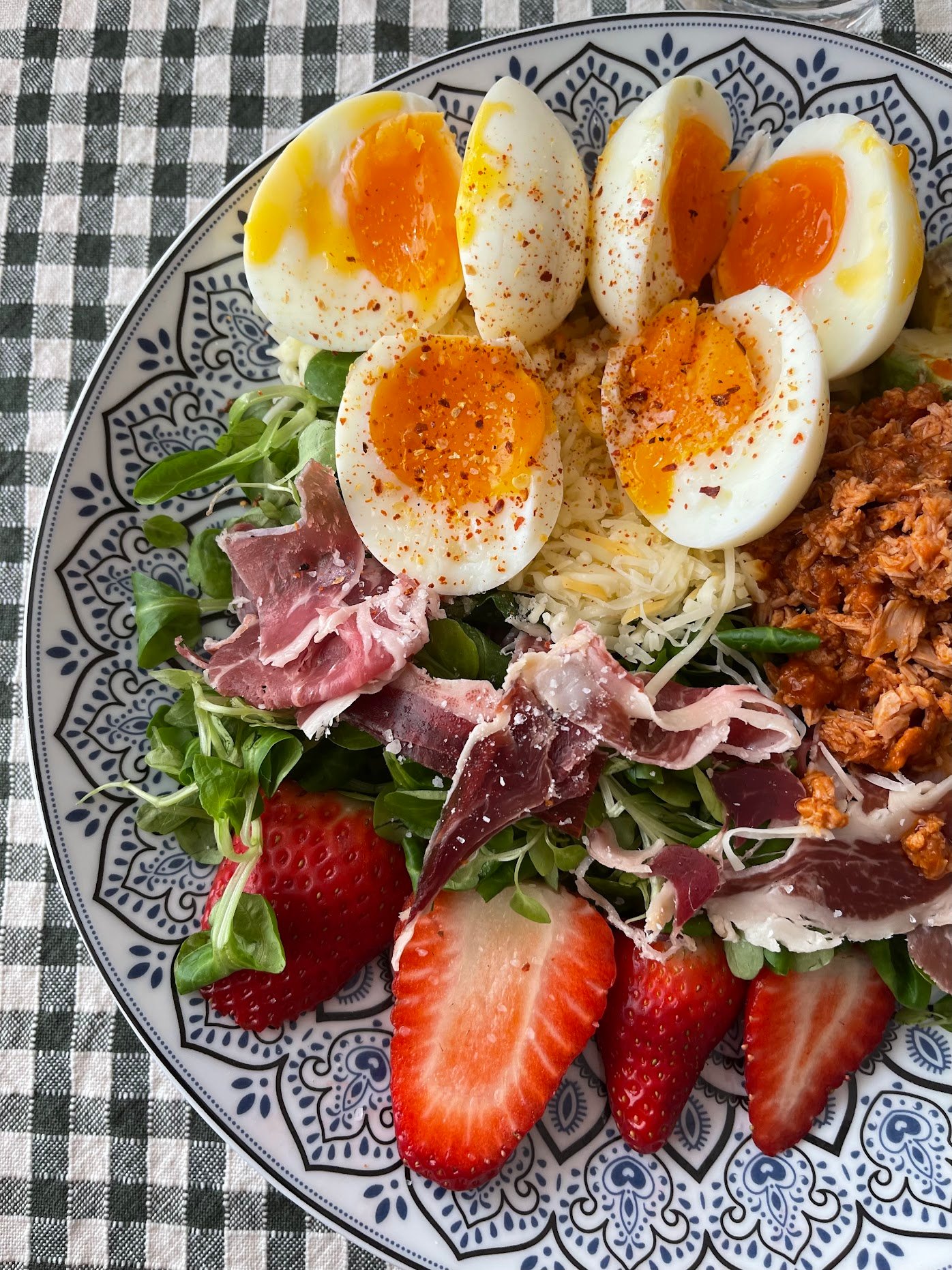
- Hard-boiled eggs with sea salt
- Cucumber slices with tahini
- A handful of walnuts or almonds
Real food. Nothing processed. No weird ingredients I can’t pronounce. And my hot flashes? They’ve become manageable instead of debilitating.
What I Eat Instead: My Go-To Hot Flash-Cooling Foods
After seven months of eliminating triggers and experimenting with alternatives, I’ve found foods that actively help reduce my hot flashes. This isn’t just about avoiding problems—it’s about eating foods that support hormonal balance.
The Power of Omega-3s: My Fatty Fish Routine
I eat fatty fish at least five times per week now. Sardines, mackerel, anchovies, wild salmon—all rich in omega-3 fatty acids that reduce inflammation throughout your body.
A study published in the American Journal of Clinical Nutrition found that women with higher omega-3 intake had fewer and less severe hot flashes. The anti-inflammatory effect directly impacts the hypothalamus and temperature regulation.
My favorite way: grilled sardines with lemon, garlic, and lots of olive oil. Simple, traditional, incredibly effective. I’ve also learned to love anchovies—not just on pizza, but as a flavoring ingredient that adds depth without heat or sugar.
Cooling Vegetables and How I Prepare Them
Certain vegetables seem to have a cooling effect, and Mediterranean cuisine uses them abundantly:
- Cucumber—I eat it almost daily, often with full-fat Greek yogurt and fresh mint
- Leafy greens—arugula, spinach, Swiss chard sautéed in olive oil with garlic
- Zucchini—spiralized as “pasta” or simply roasted
- Fennel—raw in salads or roasted, it has natural cooling properties
- Celery—underrated and hydrating, great with almond butter
These vegetables also support estrogen metabolism through compounds called indole-3-carbinol, helping your body process hormones more efficiently during perimenopause.
The Olive Oil Advantage for Hormone Balance
I go through about a liter of extra virgin olive oil every two weeks. It’s my primary fat source, and research shows it’s one of the most powerful anti-inflammatory foods available.
The polyphenols in quality EVOO reduce systemic inflammation, support cardiovascular health, and help stabilize blood sugar. A 2022 study found that women following a Mediterranean diet rich in olive oil reported 30% fewer vasomotor symptoms than those on a standard Western diet.
I drizzle it on everything. My salads probably have 3-4 tablespoons. My fish gets doused. My vegetables swim in it. This is how women in Greece and Spain have eaten for generations—and they have lower rates of severe menopausal symptoms than women in other Western countries.
Fresh herbs deserve a mention too. Sage tea specifically has been shown to reduce hot flashes and night sweats. I grow sage, mint, oregano, and thyme on my balcony and use them generously in cooking and teas.
How to Identify Your Personal Trigger Foods
While the five hot flash trigger foods I’ve covered are the most common culprits, your body might react differently. Anna, a 51-year-old architect I know, can drink coffee without issues but gets hot flashes from tomatoes. Everyone’s threshold is different.
Here’s what worked for me: I kept a simple food and symptom journal for three weeks. Nothing fancy—just notes on my phone. Each day I wrote what I ate and when I had hot flashes. Patterns emerged quickly.
The key is elimination and reintroduction. Remove all suspected triggers for 2-3 weeks, then add them back one at a time, waiting 3-4 days between each addition. Your body will tell you what it can’t handle right now.
“Right now” is important. Perimenopause symptoms fluctuate. Foods that trigger you today might be fine in six months once your hormones stabilize. This isn’t forever—it’s for right now, while you need relief.
The Timeline: When You’ll Feel Better
I wish I could tell you that eliminating hot flash trigger foods will fix everything overnight. But I can tell you the realistic timeline based on my experience and the experiences of dozens of women in my community.
Within 48 hours of cutting out sugar and refined carbs, most women notice fewer intense hot flashes. Blood sugar stabilization happens quickly.
Within one week of eliminating caffeine and alcohol, sleep improves. Better sleep means lower cortisol, which means fewer daytime hot flashes. This creates a positive cycle.
Within 2-3 weeks of following an anti-inflammatory Mediterranean keto approach, most women report 40-60% reduction in hot flash frequency. The severity decreases too—instead of drenching sweats, you might just feel warm.
By three months, if you’re consistent, many women find their hot flashes have become manageable background noise instead of life-disrupting events. You’ll know your patterns, your personal triggers, and how to navigate them.
Frequently Asked Questions
Can I ever eat hot flash trigger foods again?
Yes, for most women. Once your hormones stabilize—which can take months to years—many triggers become less sensitive. I can now occasionally have a small glass of wine or a cup of coffee without immediate consequences, but I still pay attention to timing and context. Some women find they can tolerate small amounts of former triggers once their overall inflammation is lower and blood sugar is consistently stable. The key is reintroducing slowly, one food at a time, so you know exactly what your body can handle.
How long before I notice a difference after eliminating trigger foods?
Most women notice improvement within 3-7 days, particularly with blood sugar-related triggers like sugar and refined carbs. Those effects can be dramatic—some women report a 50% reduction in hot flashes within the first week. Caffeine and alcohol elimination shows results within a few days to two weeks, especially regarding sleep quality and night sweats. For significant, sustained reduction in hot flash frequency and intensity, give it a solid 2-3 weeks of consistency. Your body needs time to reduce inflammation and rebalance.
Are hot flash trigger foods the same for everyone?
No. While the five foods I’ve covered are the most common triggers based on research and community reports, individual variation is significant. Some women can drink coffee but can’t tolerate aged cheese due to histamine sensitivity. Others do fine with moderate spice but react strongly to citrus. This is why I recommend keeping a food-symptom journal for at least two weeks. Your body’s feedback is more valuable than any generalized list. Pay attention to your patterns.
Can changing my diet really reduce hot flashes or do I need medication?
Diet changes can make a significant difference for many women. Research shows that dietary modifications can reduce hot flash frequency by 30-50% for many perimenopausal women. In my case and for many women in my community, eliminating triggers and focusing on anti-inflammatory Mediterranean foods reduced symptoms to manageable levels without medication. However, severe symptoms absolutely warrant medical consultation. Some women need hormone therapy or other medical interventions, and there’s no shame in that. Diet should be your foundation, but it’s not a replacement for medical care when you need it. Work with a healthcare provider who takes your symptoms seriously.
You’re Not Alone in This
The hardest part of dealing with hot flash trigger foods isn’t giving up coffee or wine. It’s feeling like your body has betrayed you. Like you’re broken. Like you’re the only one sweating through your shirt in a meeting while everyone else seems fine.
You’re not broken. Your body is going through a profound transition, and it needs different support now than it did five years ago.
When I first started connecting my food to my symptoms, I felt frustrated. After working so hard to lose 40 kg with keto, now I had to change things again? It felt unfair. But once I saw the results—hot flashes dropping from 10-12 per day to 2-3, and those much milder—I realized this wasn’t about restriction. It was about working with my body instead of against it.
The Mediterranean approach to keto has given me that flexibility. I’m not eating protein bars and MCT oil. I’m eating real food that humans have thrived on for thousands of years. Fish, vegetables, olive oil, herbs, good cheese, eggs. Food that nourishes and satisfies without triggering my symptoms.
If you’re struggling with hot flashes right now, know that thousands of women are going through the same thing. You’re not imagining it. Your symptoms are real. And what you eat genuinely matters—not as a cure-all, but as powerful support during this transition.
Start with one change. Maybe it’s eliminating your afternoon coffee for a week to see what happens. Maybe it’s swapping your nightly wine for herbal tea. Small changes, observed closely, will show you what your body needs right now.
And remember: this is temporary. Perimenopause doesn’t last forever. You’re learning to navigate your changing body, and that knowledge will serve you for decades to come.