An email landed in my inbox last Tuesday that I can’t stop thinking about. “Susana,” it said, “I’m eating keto desserts every night—the approved ones, with erythritol and almond flour—but I’ve actually gained 3 kilos. What am I doing wrong?” The thing is, she wasn’t doing anything “wrong” according to most keto advice out there. The keto sweets allowed list on most websites would have checked every box on her pantry shelf. But here’s what seven years of Mediterranean keto has taught me: just because something fits your macros doesn’t mean it serves your body.
I know this frustration intimately. When I first started keto in Spain, I was still thinking like the woman I’d been at 100kg—the one who needed a sweet treat after every meal, who couldn’t imagine life without dessert. I spent a fortune on almond flour, monk fruit sweetener, and all the “keto-approved” baking supplies. My kitchen looked like a science lab, and my body? It wasn’t responding the way everyone promised it would.
The Keto Dessert Trap Nobody Talks About
Here’s something I wish someone had told me back then: keto sweets allowed doesn’t mean keto sweets necessary. Or even beneficial.
My friend Carmen, who’s 49 and lives in Málaga, was eating a “fat bomb” every single night—coconut oil, cocoa powder, erythritol, the works. Technically perfect for keto. But she wasn’t losing weight, her energy was still crashing at 3pm, and her hot flashes weren’t improving. When she finally stopped making dessert a daily habit, everything shifted within two weeks.
The problem isn’t just the sweeteners or the substitute flours. It’s what these daily treats do to our brains and our relationship with food. A 2023 study published in the journal Appetite found that even non-caloric sweeteners can maintain sugar cravings and make it harder to appreciate naturally occurring sweetness in whole foods. We’re keeping the addiction alive, just feeding it different fuel.
What Changed When I Stopped Baking
About three years into my keto journey, something interesting happened. I ran out of almond flour and just… didn’t replace it. Not as a grand statement or a rule, but because I’d stopped thinking about dessert as a daily necessity.
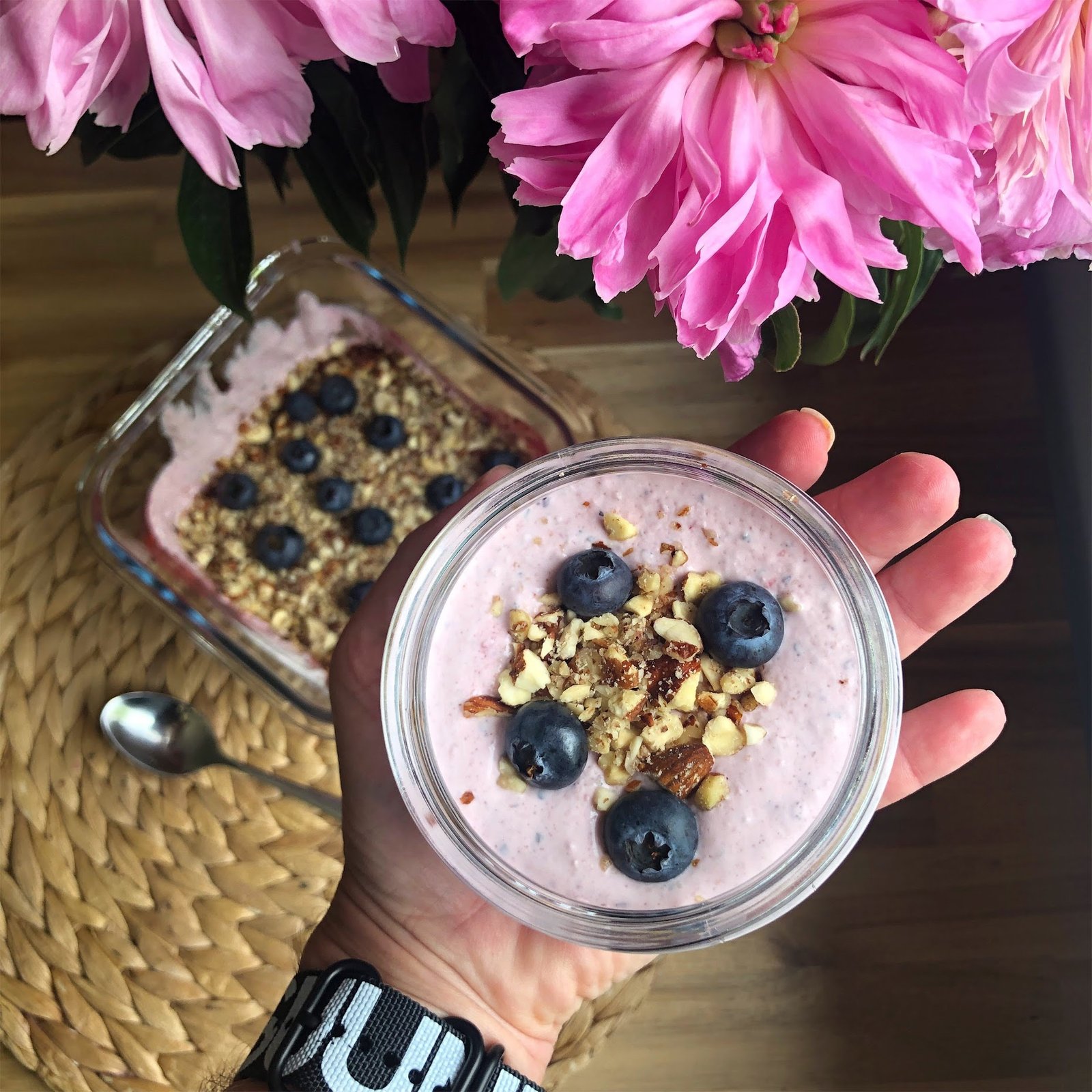
My taste buds had changed so dramatically that a handful of fresh berries with thick Greek yogurt tasted genuinely sweet. Not “sweet for keto” or “good enough”—actually, properly sweet and satisfying. The strawberries we get here in Spain in summer, still warm from the sun? They taste like candy now.
This wasn’t willpower. This was my body finally releasing its death grip on sugar because I’d stopped feeding the craving with substitutes.
The Mediterranean Approach to Keto Sweets
When I talk about keto sweets allowed in my Mediterranean approach, I’m talking about real food that happens to be sweet. Not food engineered to taste sweet.
Here’s what I actually eat:
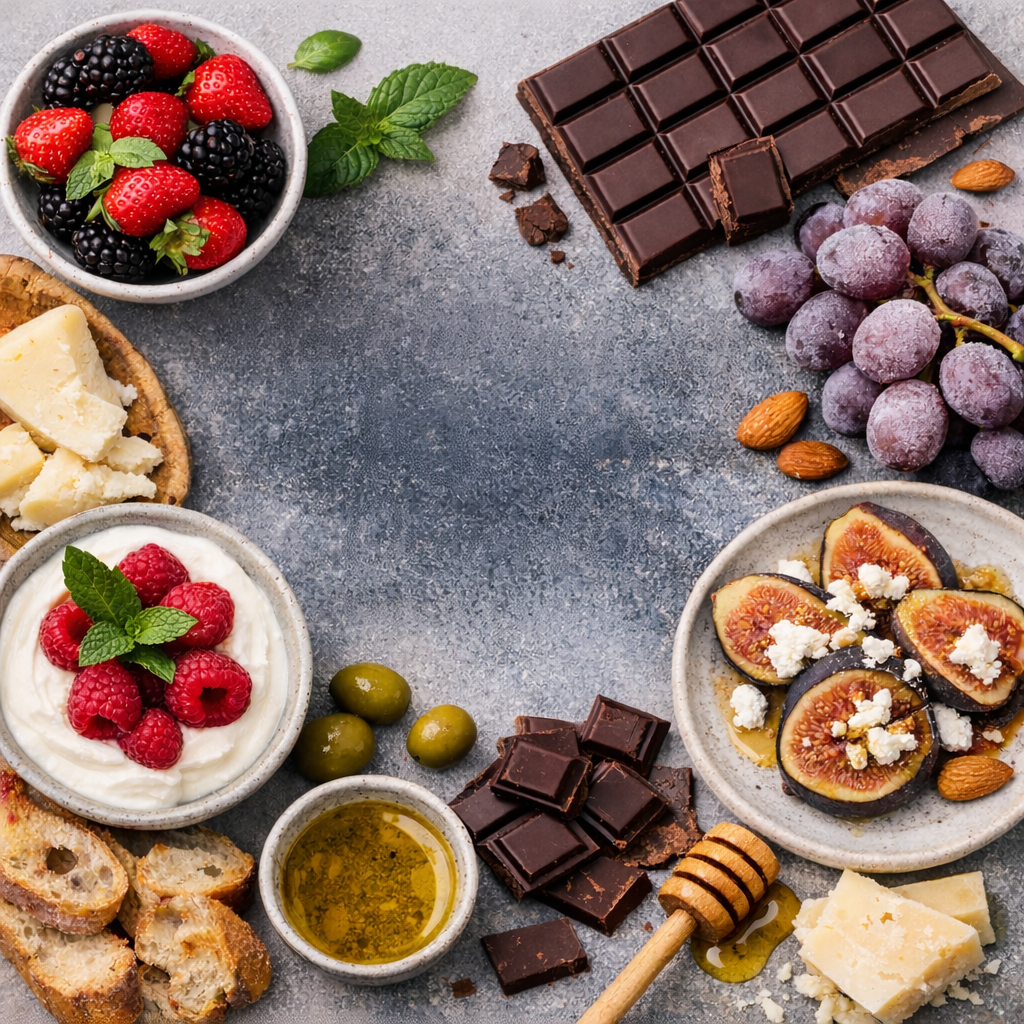
- Fresh berries in season—strawberries, blackberries, a few raspberries with heavy cream or mascarpone
- A small piece of very dark chocolate—the 85% or 90% kind that’s actually made with cacao, not a list of stabilizers
- Roasted figs with goat cheese—yes, figs are higher carb, but one fig split with creamy chèvre is a special occasion treat, not a Tuesday
- Frozen grapes—sounds simple, but when you’re not drowning in artificial sweetness, these taste like sorbet
Notice what’s missing? Almond flour. Erythritol. Coconut flour. Xanthan gum. All those expensive specialty ingredients that turn your kitchen into a chemistry experiment.
When I Do Want Something Special
I’m not saying I never have a proper sweet treat. I’m Spanish now—we celebrate with food, and I’m not about to skip my neighbor’s saint’s day because there’s cake involved.
But here’s the difference: it’s real cake. Made with real sugar and real flour. And I have a small piece, enjoy every bite without guilt, and move on with my life. This happens maybe once a month, sometimes less.
Research from the University of Navarra’s SUN cohort study—one of the longest-running Mediterranean diet studies—found that occasional indulgences in traditional sweets didn’t derail health outcomes when the foundation was solid whole foods. It’s the daily habit that matters, not the special occasion.
What About Commercial “Keto Desserts”?
Someone in my Facebook group asked last week about those keto ice creams and chocolate bars showing up everywhere now. “Are these okay? They say zero sugar!”
Here’s my honest take, and it’s probably going to be unpopular: most commercial keto desserts are ultra-processed foods designed to keep you buying them. The ingredient lists read like a pharmaceutical label. And while they might technically fit your macros, they’re not supporting the deeper work of healing your metabolism and rebalancing your hormones.
At 46 and in perimenopause, I can tell you exactly what happens when I eat a “keto-friendly” protein bar: my blood sugar spikes anyway (those sugar alcohols affect everyone differently), I want another one an hour later, and I feel that familiar brain fog creeping back in.
Anna, one of my clients who’s 51, put it perfectly: “These keto treats made me feel like I was still on a diet, still depriving myself, still counting down to my next ‘allowed’ indulgence. When I switched to your Mediterranean approach and just ate real food, the obsession finally stopped.”
The Hormone Connection
This matters even more as we get older. When you’re navigating perimenopause like I am, every food choice affects your hormones differently than it did at 30.
Insulin resistance tends to worsen during perimenopause—a 2024 study in Menopause journal found that women in their 40s and 50s need fewer blood sugar spikes throughout the day to maintain metabolic health. Those daily keto desserts, even with alternative sweeteners, were still triggering an insulin response in my body. My hot flashes were worse, my sleep was disrupted, and that stubborn belly fat wasn’t budging.
When I stopped treating dessert as a daily entitlement and started seeing sweet foods as occasional celebrations, my body responded immediately. Better sleep, fewer hot flashes, and my weight finally stabilized at a healthy place instead of those frustrating fluctuations.
What I Tell Women Starting Out
If you’re just beginning keto and you’re used to dessert every night, I’m not going to tell you to go cold turkey. That’s not realistic, and it’s not necessary.
But I will suggest this: before you invest in all those specialty ingredients for keto baking, try this experiment for two weeks. Instead of making a keto dessert, have a small portion of something naturally sweet—berries with cream, a few squares of really good dark chocolate, some nuts with a tiny drizzle of honey.
See what happens. Notice how you feel. Pay attention to whether your cravings intensify or diminish.
My friend Lucia, who’s 44 and teaches pilates in Valencia, tried this after months of frustration with keto brownies and cookies. “I thought I’d be miserable,” she told me. “But by day four, I stopped thinking about dessert entirely. It was like a switch flipped. Those keto treats were actually making me MORE obsessed with sweets, not less.”
The Real List of Keto Sweets Allowed
If you want my actual, practical list of keto sweets allowed on Mediterranean keto, here it is:
- Strawberries (about 6-8 medium ones)—with heavy cream or mascarpone
- Blackberries (a generous handful)—incredible with a dollop of unsweetened Greek yogurt
- Raspberries (10-12 berries)—frozen and slightly thawed, they’re like nature’s ice cream
- Dark chocolate (85% or higher)—one or two squares, the kind with just cacao and minimal sugar
- Whipped cream (the real kind you make yourself)—with a tiny bit of vanilla and a few berries
- Cheese with a tiny bit of honey—manchego or aged pecorino with the tiniest drizzle
- Frozen berries blended with cream—the closest thing to ice cream you need
That’s it. Nothing that requires ordering specialty ingredients online. Nothing with a paragraph-long ingredient list. Just real food that grows from the ground or comes from animals that eat grass.
What About Celebrations?
I saw a post on Reddit last month from a woman who was panicking about her daughter’s wedding. “What keto dessert can I make so I don’t feel left out?” she asked.
My answer surprised her: have a small piece of the wedding cake. Really taste it. Enjoy celebrating with your family. Then go back to your normal way of eating the next day.
This isn’t a diet where one piece of cake ruins everything. If your foundation is solid—real Mediterranean foods, plenty of olive oil and fish and vegetables, consistent meals that stabilize your blood sugar—then occasional indulgences are just life. They’re not failures or cheats or reasons to start over on Monday.
Why This Matters More at 40+
When you’re younger, you might be able to get away with daily keto desserts and still lose weight. Your metabolism is more forgiving. Your hormones are more stable.
But at 46, I can tell you that my body doesn’t have that kind of tolerance anymore. Every artificial sweetener, every ultra-processed “keto-friendly” product, every substitute ingredient—they all have an impact on how I feel, how I sleep, and how my clothes fit.
The women in my community who’ve had the most success with Mediterranean keto in their 40s and 50s? They’re the ones who stopped trying to recreate their old eating habits with new ingredients. They’re the ones who made peace with the fact that their relationship with food needed to evolve, not just swap out sugar for erythritol.
What Actually Satisfies the Sweet Craving
Here’s something nobody tells you about keto sweets allowed: sometimes what you think is a craving for something sweet is actually your body asking for something else entirely.
Are you actually hungry, or are you tired? Bored? Stressed? Lonely? I know these sound like therapy questions, but they’re legitimate physiological signals that we’ve learned to answer with sugar.
When I want something sweet now, I first ask myself what I actually need. Half the time, it’s water—I’m just thirsty. Another quarter of the time, it’s fat—a spoonful of almond butter or some olives and cheese actually satisfies me more than anything sweet would. And yes, sometimes I genuinely want something sweet, and then I have my berries with cream or my dark chocolate.
But I’m not eating sweet things on autopilot anymore, the way I used to demolish a bag of “keto cookies” while barely tasting them.
The Freedom in Simplicity
Can I be honest about something? Letting go of daily keto desserts was one of the most freeing parts of this entire journey.
I don’t spend money on specialty ingredients anymore. I don’t spend Sunday afternoons baking elaborate keto versions of regular desserts. I don’t feel that little pang of deprivation when I see regular cake, because I’m not telling myself I can never have it—I’m just choosing not to have it today.
And my kitchen? It’s simple again. Olive oil, fish, vegetables, good cheese, eggs, herbs, berries, dark chocolate. Everything has a purpose. Nothing is there to trick my brain into thinking I’m eating something I’m not.
This is what sustainable looks like. Not white-knuckling your way through cravings. Not spending hours in the kitchen trying to recreate the Standard American Diet with different ingredients. Just eating real, delicious food that makes your body feel good.
You don’t need permission to enjoy keto sweets allowed on your journey. But you also don’t need to force them into your daily routine just because the internet says they’re “legal.” Your body—especially in perimenopause—will tell you what it actually needs if you’re quiet enough to listen. And I promise you, it’s probably not asking for another batch of almond flour cookies.
This isn’t about perfection or rules or never enjoying something sweet again. It’s about building a way of eating that you can maintain for decades, not just until you reach some arbitrary goal weight. It’s about food being nourishing and delicious without requiring a chemistry degree to prepare. And it’s about trusting that real food, in its simplest form, is actually enough.