My friend Clara sent me a voice message at midnight last week, and I could hear the exhaustion in her voice. “Susana, I’ve tried keto three times. I lose weight for a month, then I’m so tired I can barely function. My hair starts falling out. What am I doing wrong?” She’s 44, working full-time, raising two teenagers, and desperately trying to understand why the mediterranean keto basics everyone talks about seem to work for some women but not for her.
I knew exactly what Clara was doing wrong, because I did the same thing seven years ago when I first discovered keto.
She was following American keto advice. Bacon for breakfast. MCT oil in her coffee. Protein shakes. Cheese crisps. All the processed “keto-friendly” products that promised quick results but left her feeling depleted and desperate.
What she didn’t know—what I didn’t know until I moved to Spain and started paying attention to how women here actually eat—is that the Mediterranean approach to keto is completely different.
The Problem With Standard Keto for Women Over 40
Here’s what nobody tells you when you’re 40-plus and your body starts changing: the keto that works for a 25-year-old man trying to build muscle will wreck your hormones.
I see it constantly in my community. Women message me saying they’re eating 80% fat, tracking every macro obsessively, and feeling worse than before they started. Their periods become irregular. Their sleep is terrible. The brain fog they hoped to cure gets even worse.
A 2023 study from the European Journal of Nutrition followed 340 perimenopausal women and found that those who combined ketogenic principles with Mediterranean eating patterns had significantly better outcomes—not just for weight loss, but for hormone balance, energy levels, and long-term adherence.
The difference? Real food. The kind that’s been nourishing people around the Mediterranean for thousands of years.
What Mediterranean Keto Basics Actually Look Like
When I talk about mediterranean keto basics, I’m not talking about adding olive oil to your bacon. I’m talking about a complete shift in how you think about this way of eating.
Let me show you what changed for me, and what I now teach every woman who comes to Olive&Keto confused about where to start.
Your Primary Fat Source Is Olive Oil (Not Butter or Coconut Oil)
I know, I know. You’ve been told that any fat is fine on keto. But here’s the thing—not all fats affect your hormones the same way.
Extra virgin olive oil is rich in polyphenols that actually support estrogen metabolism. When your estrogen levels are bouncing around like a ping-pong ball in perimenopause, this matters more than you realize.
I use about 3-4 tablespoons of good quality olive oil every day. I drizzle it over vegetables. I use it to cook my fish. I mix it with lemon juice and pour it over salads. It’s not some special “keto hack”—it’s just how people eat here in Spain, and they’re some of the healthiest, longest-living people in the world.
My client Teresa, who’s 51 and lives in Seville, told me last month: “I spent two years doing keto with butter and cream. I lost weight but felt awful. Three months of switching to olive oil as my main fat, and I have energy again. My skin looks better. Even my hot flashes are less intense.”
Fatty Fish Becomes Your Protein Star
Remember Clara from the beginning? One of her biggest mistakes was eating chicken breast with added fat for almost every meal. Lean protein plus added fat—that’s standard keto advice.
Mediterranean keto flips this. Your protein comes with the right fats already built in.
Sardines, mackerel, salmon, anchovies—these fish are rich in omega-3 fatty acids that specifically help with the inflammation that ramps up during perimenopause. A serving of sardines gives you about 20 grams of protein and 10 grams of fat, in the exact ratio your changing body needs.
Research from the University of Barcelona found that women over 40 who ate fatty fish at least three times per week had significantly lower levels of inflammatory markers compared to those who relied primarily on meat-based proteins.
I eat fish at least five times a week now. Sometimes it’s grilled sardines with a squeeze of lemon. Sometimes it’s salmon baked with herbs. Always simple, always delicious, and my body responds completely differently than it did when I was eating bacon and sausage every morning.
Vegetables Are Not Just a Side Dish
Here’s where Mediterranean keto basics really diverge from standard keto: vegetables are central, not optional.
I see so many women in keto Facebook groups obsessing over staying under 20 grams of carbs, which means they’re eating maybe a cup of spinach and calling it done. Then they wonder why they’re constipated, exhausted, and craving carbs constantly.
In Mediterranean cultures, you eat vegetables at every single meal. Not tiny portions—big, generous servings of leafy greens, zucchini, eggplant, tomatoes, peppers, artichokes, asparagus.
Yes, this might bring your carbs up to 30 or even 40 grams per day. And that’s completely fine. You’re still in ketosis or very low-carb, but you’re getting the fiber, polyphenols, vitamins, and minerals that your changing hormones desperately need.
I had a woman named Beatriz in one of my groups who was struggling with terrible keto flu symptoms three weeks into standard keto. I told her to add two big servings of sautéed greens with garlic and olive oil every day. Within 48 hours, she felt completely different. The headaches stopped. Her energy returned. She’s now six months in and has never looked back.
The Hormone Connection Nobody Talks About
Can I be honest about something? When I first started keto at 39, nobody warned me that doing it wrong could make my perimenopause symptoms worse.
I lost weight quickly on standard keto, but my periods became erratic. I had heart palpitations. My anxiety skyrocketed. I thought this was just perimenopause being perimenopause.
It wasn’t until I shifted to mediterranean keto basics that everything stabilized. And now I understand why.
The Mediterranean approach naturally provides more micronutrients that support hormone production—magnesium from leafy greens, zinc from seafood, vitamin E from olive oil, B vitamins from fish. These aren’t just nice-to-haves. They’re essential for your body to produce and metabolize hormones properly.
A 2024 study in the Journal of Women’s Health found that women following a Mediterranean-style low-carb diet had more stable hormone levels throughout their menstrual cycle compared to those on standard ketogenic diets.
Your body at 40-plus needs support, not stress. Processed keto products and extreme restriction create stress. Real Mediterranean foods provide support.
What a Day of Mediterranean Keto Actually Looks Like
I think one reason women get confused about mediterranean keto basics is that they can’t picture what this actually looks like on a plate. Let me show you what I eat on a typical day.
Morning
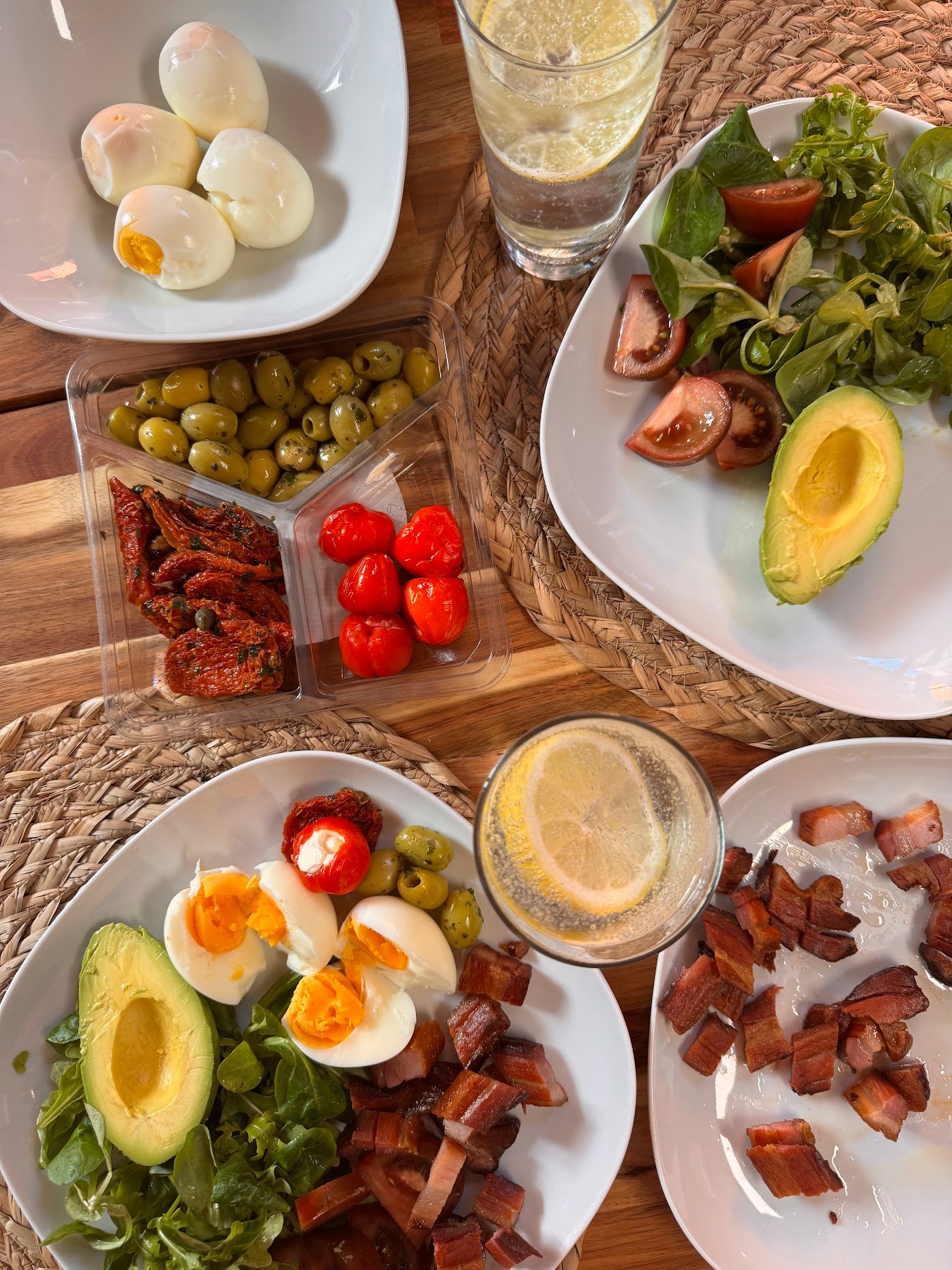
Two eggs scrambled in olive oil with a huge pile of sautéed spinach and cherry tomatoes. Sometimes I add crumbled feta. A small bowl of Greek yogurt with a few walnuts if I’m really hungry.
No bacon. No bulletproof coffee with butter and oil blended in. Just real food that my grandmother would recognize.
Midday
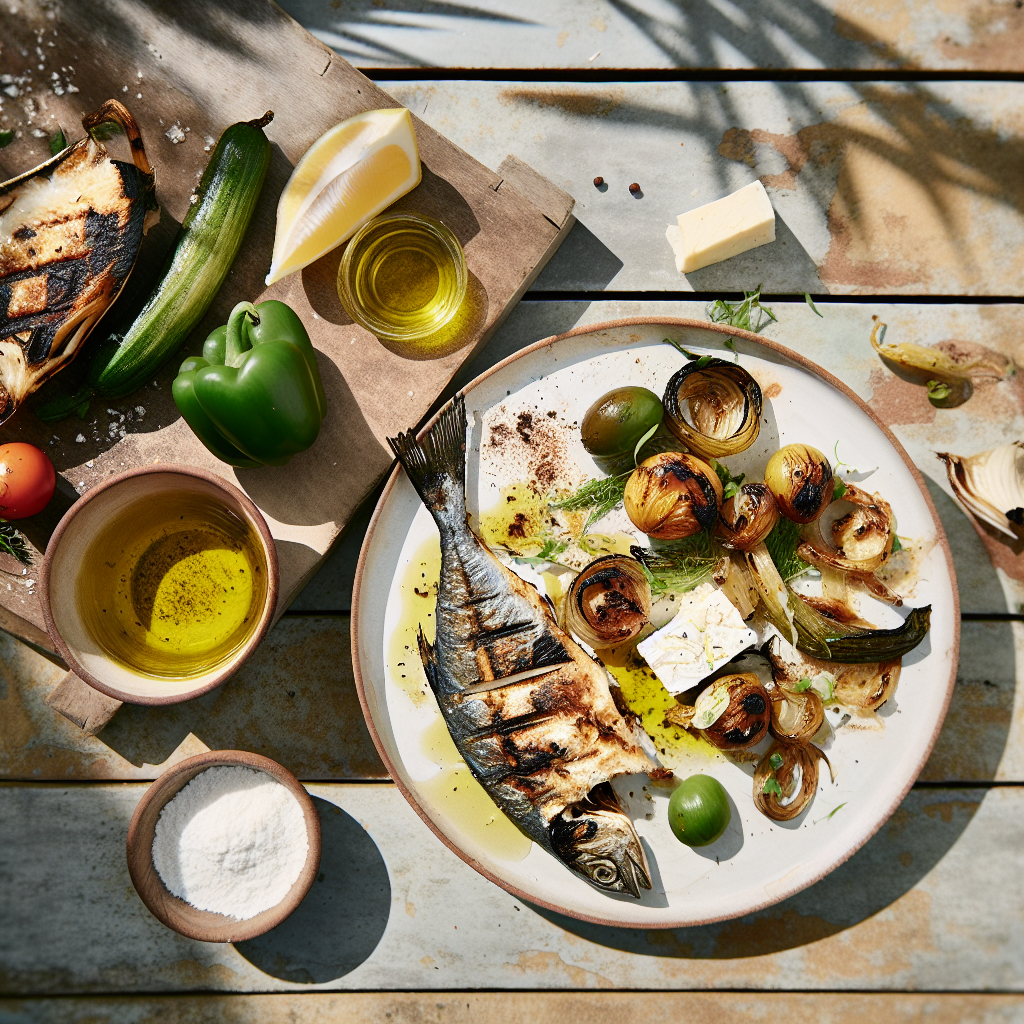
This is usually my biggest meal, like they do here in Spain. Grilled sardines or salmon with a massive salad—mixed greens, cucumber, olives, a bit of red onion, lots of olive oil and lemon juice. Maybe some roasted eggplant or zucchini on the side.
The amount of vegetables I eat now would have shocked me seven years ago. I’m talking about 3-4 cups of vegetables with this meal alone. And I feel satisfied for hours afterward.
Evening
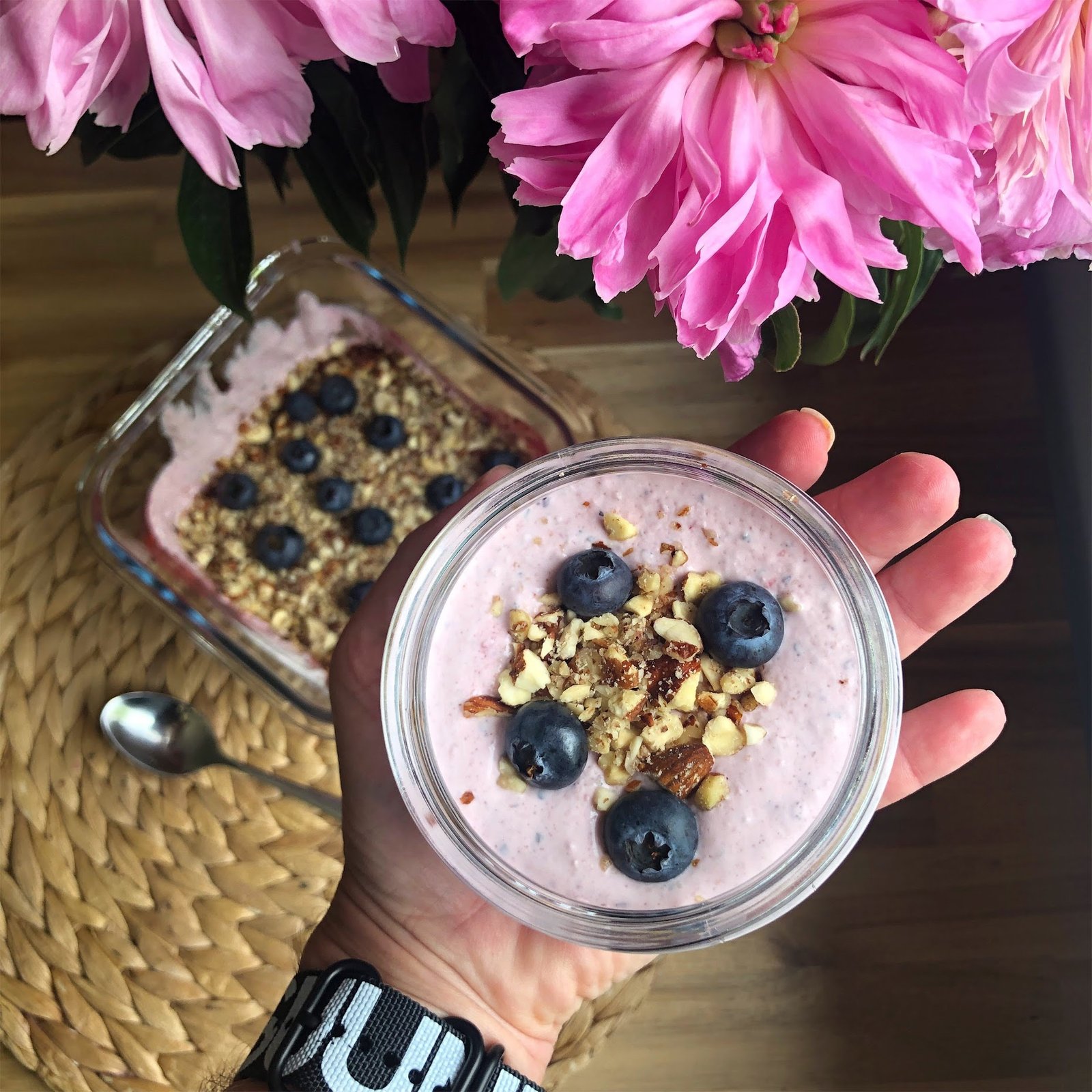
Something lighter. Maybe a frittata with vegetables and herbs. Or leftover fish with a simple green salad. Sometimes just a bowl of Greek yogurt with olive oil drizzled on top (trust me on this—it’s incredible) and some berries.
That’s it. No complicated recipes. No expensive specialty products. No counting and weighing every single thing.
The Mistakes I See Over and Over
Anna, who’s in my Facebook group, posted last week: “I’ve been doing Mediterranean keto for two weeks and I’m not in ketosis according to my testing strips. Am I doing it wrong?”
This is the most common confusion I see. Women think that if they’re not showing deep purple on a ketone strip, they’re failing.
Here’s what I told Anna, and what I need you to understand: Mediterranean keto is not about chasing the deepest state of ketosis. It’s about finding the sweet spot where your body burns fat efficiently while getting all the nutrients it needs to function well through hormonal changes.
Some days you might be in light ketosis. Some days you might just be very low-carb. Both are fine. Both work. What matters is how you feel and whether this is sustainable for your real life.
Another mistake? Thinking you need to eat tiny portions because you’re a woman over 40 with a “slow metabolism.” I see women eating 1200 calories of mediterranean keto basics and wondering why they’re exhausted and losing hair.
Your body needs fuel. Especially when hormones are changing, you cannot starve yourself into health. I eat probably 1800 calories most days, and I’ve maintained my weight loss for seven years.
The Foods That Make This Work
Let me give you a simple framework for building your mediterranean keto basics foundation. These are the foods I buy every single week without fail.
Fats and Oils
Extra virgin olive oil is your primary fat. I go through a bottle every 10 days or so. I also keep olives on hand—green, black, whatever looks good. They’re perfect for snacking when you need something satisfying.
Proteins
Sardines, mackerel, salmon, and anchovies are my top choices. I also eat eggs daily, and occasionally some lamb or chicken thighs (not breast—too lean). Feta cheese, sheep’s milk cheese, and good quality Greek yogurt round out my protein sources.
Vegetables
Every green leafy vegetable you can find—spinach, arugula, chard, kale. Zucchini, eggplant, peppers, tomatoes, cucumber, artichokes, asparagus, green beans. I buy whatever is in season and looks fresh at the market.
I probably eat 6-8 cups of vegetables every day. This might sound like a lot if you’re coming from standard keto, but it’s normal here in the Mediterranean.
Herbs and Aromatics
Garlic, fresh herbs (parsley, basil, oregano, thyme), lemon, capers. These make everything taste amazing without adding carbs. Flavor matters—if your food is bland, you won’t stick with this.
What I Don’t Buy
Anything labeled “keto.” No keto bread, no keto cookies, no keto ice cream. No protein powders or collagen supplements. No MCT oil or exogenous ketones. None of it.
This isn’t about restrictions—it’s about choosing real food that actually nourishes you.
Why This Works When Other Approaches Don’t
I’ve been living this way for seven years now, and I’ve watched hundreds of women in my community transform their health. Not just lose weight, but actually feel better—more energy, clearer thinking, stable moods, manageable perimenopause symptoms.
The reason mediterranean keto basics work for women over 40 is simple: this approach works with your biology instead of against it.
You’re not restricting to extreme levels that stress your adrenal system. You’re not eliminating whole categories of beneficial foods. You’re not relying on processed products that might keep you in ketosis but leave you nutrient-depleted.
You’re eating the way humans have eaten successfully for thousands of years, just without the bread and pasta.
My friend Lucia, who’s 48 and went through early menopause, told me recently: “I tried every diet out there. Weight Watchers, paleo, intermittent fasting, standard keto. Everything worked for a few weeks, then I’d crash. This is the first approach that’s sustainable. I actually enjoy eating this way. My hot flashes are manageable. My weight is stable. I feel like myself again.”
That’s what I want for you. Not just weight loss, but feeling like yourself again.
Where to Start Today
If you’re reading this and feeling overwhelmed, take a breath. You don’t need to overhaul everything at once.
Start here: for your next meal, choose one fatty fish, cook it simply with olive oil and herbs, and serve it with a huge pile of vegetables sautéed in more olive oil. That’s it. That’s mediterranean keto basics in one meal.
Notice how you feel two hours later. Do you have energy? Are you satisfied? Does your body feel good?
Then do it again tomorrow. And the next day. Build from there.
You don’t need to be perfect. You don’t need expensive ingredients or complicated recipes. You just need real food, prepared simply, eaten consistently.
This is how I lost 40 kilos and kept them off. This is how I’m navigating perimenopause without losing my mind. This is how hundreds of women in my community are finally finding an approach that works for their real lives.
You’re not failing at keto. Standard keto might just be failing you. There’s a better way, rooted in thousands of years of wisdom about how to eat for health and longevity.
Welcome to Mediterranean keto. Welcome to eating like a human again. Welcome to finally feeling good in your changing body.