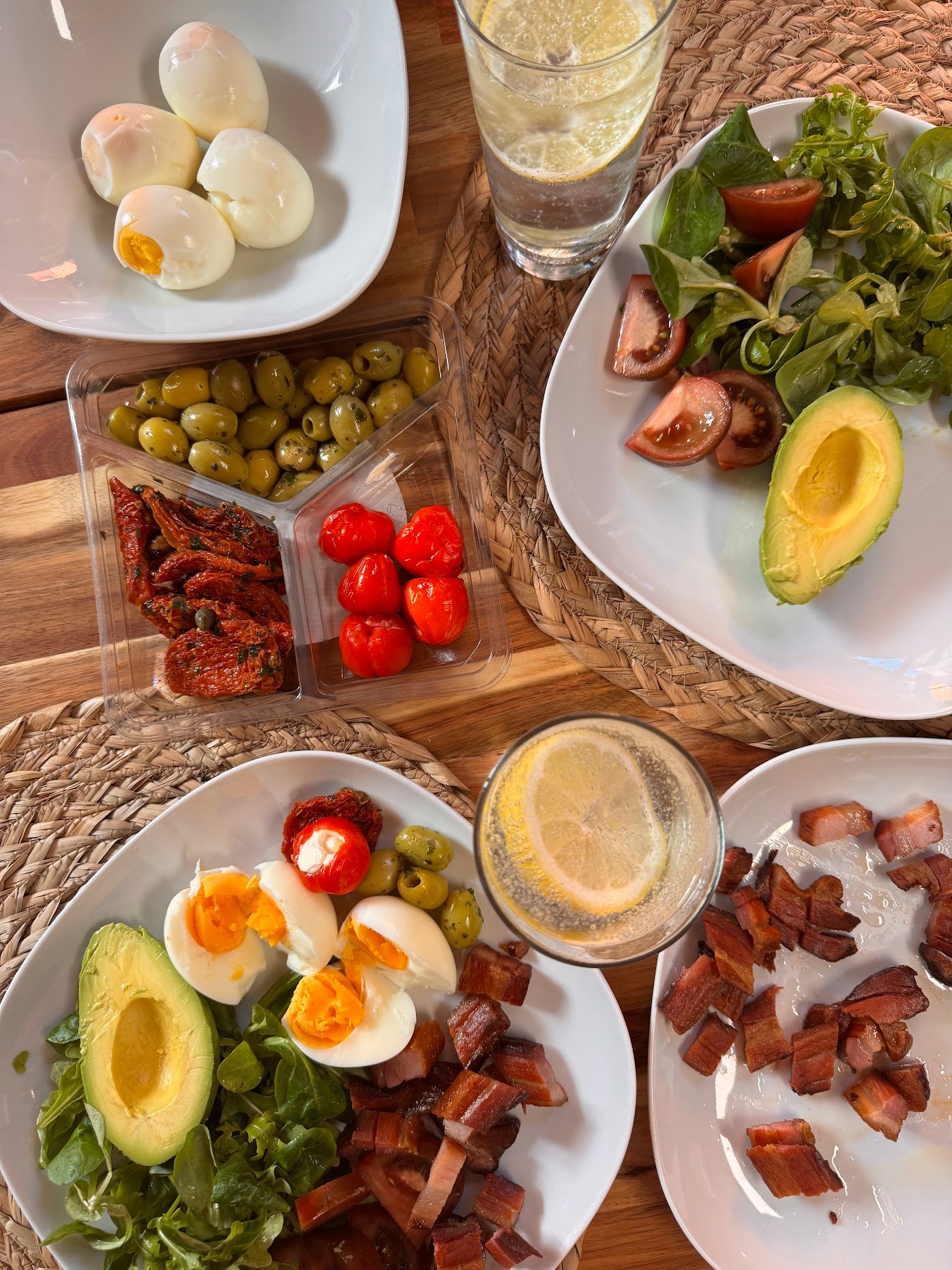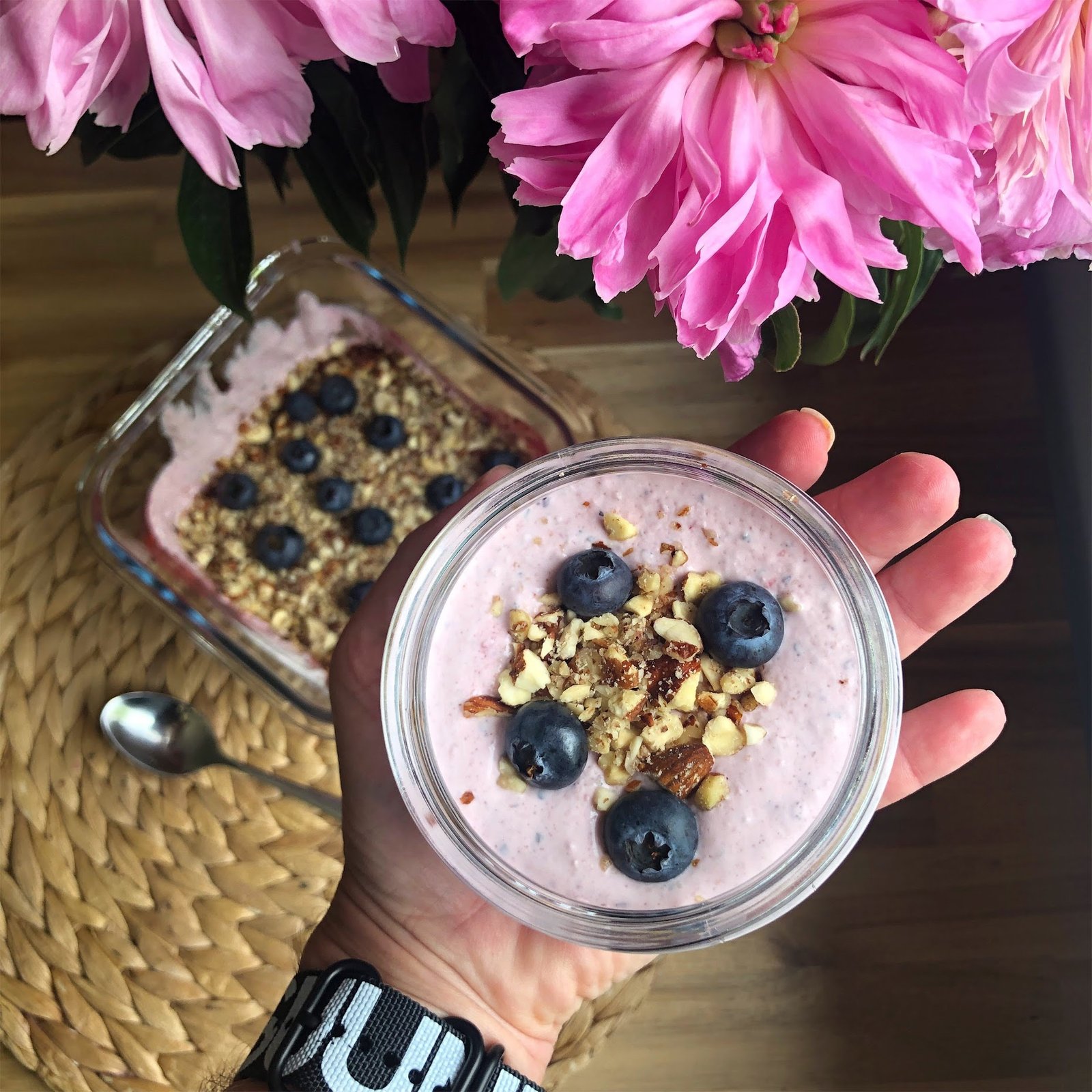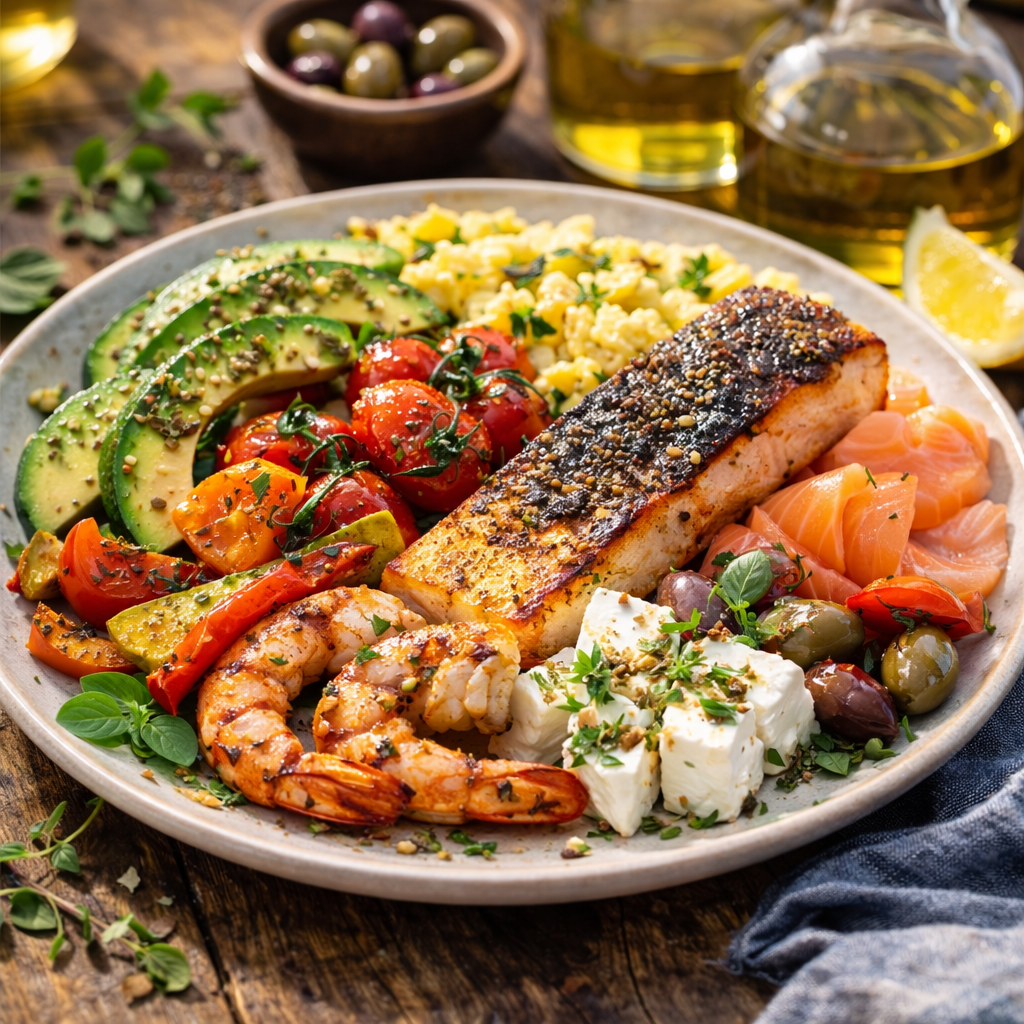
The mediterranean keto diet represents a revolutionary approach to ketogenic eating that’s transforming how women over 40 manage their health. Unlike the standard American keto approach heavy on bacon and processed foods, the mediterranean keto diet emphasizes fresh fish, olive oil, and vegetables—delivering superior results for perimenopause symptoms, weight management, and long-term health.
If you’ve tried traditional keto and found it unsustainable or felt unwell, the mediterranean keto diet offers a better way. This comprehensive guide explains what makes the mediterranean keto diet different, why it works better for women over 40, and how to get started.
What Is the Mediterranean Keto Diet?
The mediterranean keto diet combines the metabolic benefits of ketogenic eating (low carb, high fat) with the time-tested wisdom of Mediterranean nutrition. This approach is based on the Spanish Ketogenic Mediterranean Diet (SKMD), which has been studied since 2008 with excellent results.
Core Principles of the Mediterranean Keto Diet
Primary Fat Source: Extra Virgin Olive Oil
Unlike standard keto that relies heavily on butter and bacon fat, the mediterranean keto diet makes extra virgin olive oil your primary fat. This single change delivers powerful anti-inflammatory benefits through over 30 polyphenolic compounds.
Emphasis on Fatty Fish
The mediterranean keto diet prioritizes wild-caught fatty fish (salmon, mackerel, sardines) 2-3 times weekly. These provide omega-3 fatty acids EPA and DHA that are crucial for brain health, hormone balance, and reducing inflammation.
Abundant Colorful Vegetables
While standard keto often minimizes vegetables, the mediterranean keto diet emphasizes them. Tomatoes, eggplant, zucchini, peppers, spinach, and arugula provide fiber, micronutrients, and antioxidants while keeping you in ketosis.
Zero Processed “Keto” Products
The mediterranean keto diet eliminates packaged “keto” foods. No keto bread, bars, or snacks. Just real, whole foods your great-grandmother would recognize.
Fresh Herbs and Spices
Oregano, basil, rosemary, thyme, garlic, and lemon aren’t just flavor—they provide anti-inflammatory compounds that support the mediterranean keto diet’s health benefits.
Mediterranean Keto Diet vs American Keto: The Critical Differences
Understanding the differences between the mediterranean keto diet and standard American keto is crucial for women over 40.
Fat Quality: The Mediterranean Keto Diet Advantage
American Keto Fat Sources:
- Bacon and bacon fat
- Butter and heavy cream
- Processed cheese
- Industrial seed oils in packaged products
- Conventionally-raised meat fat
Mediterranean Keto Diet Fat Sources:
- Extra virgin olive oil (primary)
- Fatty fish (salmon, sardines, mackerel)
- Avocados and olives
- Nuts and seeds (moderate amounts)
- Grass-fed meat fat (minimal)
The mediterranean keto diet’s emphasis on olive oil and fish provides omega-3 fatty acids and polyphenols that actively reduce inflammation—critical for women experiencing perimenopause.
Protein Sources on the Mediterranean Keto Diet
American Keto Proteins:
- Bacon and processed meats
- Conventionally-raised beef
- Protein powders
- Excessive cheese
Mediterranean Keto Diet Proteins:
- Wild-caught fatty fish (priority)
- Seafood (shrimp, mussels, octopus)
- Free-range eggs
- Pasture-raised poultry
- Grass-fed lamb (Mediterranean favorite)
- Minimal dairy (mostly sheep/goat cheese)
The mediterranean keto diet’s protein sources provide higher quality nutrition with better omega-3 to omega-6 ratios.
Vegetable Intake: Mediterranean Keto Diet Philosophy
American Keto: Minimal vegetables, viewing them as “wasted carbs”
Mediterranean Keto Diet: 7-10 servings of vegetables daily, providing:
- Fiber for gut health and hormone metabolism
- Magnesium for sleep and hot flash management
- Potassium to prevent “keto flu”
- Antioxidants and polyphenols
- Prebiotic fibers for beneficial gut bacteria
This fundamental difference makes the mediterranean keto diet more sustainable and nutritious.
Why the Mediterranean Keto Diet Works Better for Women Over 40
The mediterranean keto diet addresses the specific challenges women face during perimenopause and beyond.
1. Reduces Inflammation More Effectively
Perimenopause is an inflammatory state. Declining estrogen means losing estrogen’s anti-inflammatory protection. The mediterranean keto diet tackles this through:
Extra Virgin Olive Oil: Contains oleocanthal, which works similarly to ibuprofen in reducing inflammation. The mediterranean keto diet’s emphasis on 2+ tablespoons daily provides therapeutic doses.
Omega-3 Rich Fish: EPA and DHA from fatty fish actively reduce inflammatory markers. The mediterranean keto diet’s 2-3 servings weekly target provides optimal omega-3 levels.
Colorful Vegetables: Polyphenols and antioxidants in Mediterranean vegetables combat oxidative stress and inflammation.
No Inflammatory Oils: The mediterranean keto diet eliminates industrial seed oils that promote inflammation.
2. Supports Brain Health During Hormonal Changes
Brain fog is a hallmark of perimenopause. The mediterranean keto diet addresses this through:
DHA from Fish: Literally a building block of brain cells. The mediterranean keto diet provides abundant DHA through regular fish consumption.
Ketones as Brain Fuel: Like all keto approaches, the mediterranean keto diet provides ketones. But the addition of polyphenols from olive oil and vegetables offers extra neuroprotection.
Stable Blood Sugar: The mediterranean keto diet prevents the blood sugar crashes that worsen brain fog.
3. Balances Hormones Through Gut Health
Your gut microbiome plays a crucial role in metabolizing hormones. The mediterranean keto diet supports gut health through:
Fiber from Vegetables: 7-10 servings daily feed beneficial gut bacteria Polyphenols: Act as prebiotics, supporting healthy gut flora Omega-3s: Reduce gut inflammation Fermented Foods: Optional additions like olives support gut diversity
4. Protects Cardiovascular Health
Women’s cardiovascular risk increases during perimenopause as estrogen’s protective effects decline. The mediterranean keto diet offers superior heart protection:
Olive Oil: Improves cholesterol particle size and reduces oxidative damage Fatty Fish: Omega-3s reduce triglycerides and blood pressure Vegetables: Provide potassium and fiber for heart health No Trans Fats: Elimination of processed foods removes harmful trans fats
Research shows the mediterranean keto diet improves cardiovascular markers better than standard keto.
5. Actually Sustainable Long-Term
The mediterranean keto diet isn’t a temporary diet—it’s a sustainable lifestyle because:
It’s Delicious: Fresh fish, olive oil, herbs, vegetables create satisfying meals Socially Acceptable: Easy to adapt when eating out or with family Culturally Rich: Thousands of years of culinary tradition to draw from Makes You Feel Good: Nourished, not deprived Provides Variety: Endless combinations of Mediterranean foods
Sample Mediterranean Keto Diet Day
Breakfast (7am)
Mediterranean Scrambled Eggs
- 3 eggs scrambled in 1 tbsp extra virgin olive oil
- Handful of spinach
- Diced tomatoes
- Crumbled feta cheese
- Fresh basil
- Sliced avocado on the side
- Sea salt, black pepper
Macros: ~400 kcal | 32g fat | 25g protein | 6g net carbs
Lunch (12pm)
Wild Salmon Greek Salad
- 6oz wild-caught salmon fillet (grilled)
- Mixed greens (arugula, spinach, romaine)
- Cucumber, cherry tomatoes, red onion
- Kalamata olives
- Crumbled feta
- 2 tbsp extra virgin olive oil + lemon dressing
- Fresh oregano
Macros: ~520 kcal | 38g fat | 42g protein | 8g net carbs
Dinner (6pm)
Herb-Crusted Lamb with Mediterranean Vegetables
- Lamb chops with rosemary, thyme, garlic
- Roasted zucchini, bell peppers, eggplant in olive oil
- Sautéed spinach with garlic
- Lemon wedge
Macros: ~650 kcal | 45g fat | 55g protein | 12g net carbs
Daily Total: ~1,570 kcal | 115g fat | 122g protein | 26g net carbs
This sample mediterranean keto diet day shows how to hit macros while eating delicious, nutritious food.
Foods to Eat on the Mediterranean Keto Diet
Primary Fats (Prioritize These)
- Extra virgin olive oil: Use liberally – cooking, dressing, finishing
- Avocados: Daily for healthy fats and fiber
- Olives: Green, black, Kalamata – snacks and salads
- Fatty fish: Natural omega-3 source
Proteins for the Mediterranean Keto Diet
- Fatty fish: Salmon, mackerel, sardines, sea bass, sea bream (2-3x weekly minimum)
- Seafood: Shrimp, mussels, clams, octopus, squid
- Poultry: Chicken thighs with skin, duck
- Lamb: Grass-fed, Mediterranean favorite
- Eggs: Free-range, pasture-raised preferred
- Beef: Grass-fed, in moderation
- Cheese: Small amounts of feta, goat cheese, manchego
Vegetables (Unlimited on Mediterranean Keto Diet)
- Leafy greens: Spinach, arugula, kale, Swiss chard
- Mediterranean classics: Tomatoes, eggplant, zucchini, bell peppers
- Cruciferous: Broccoli, cauliflower, Brussels sprouts
- Others: Asparagus, mushrooms, artichokes, cucumber, radishes
Herbs and Seasonings
- Fresh herbs: Oregano, basil, rosemary, thyme, parsley, dill
- Aromatics: Garlic, onion (small amounts), shallots
- Citrus: Lemon, lime
- Others: Capers, sea salt, black pepper
Foods to Avoid on Mediterranean Keto Diet
- Industrial seed oils: Canola, soybean, sunflower, corn, vegetable oil
- Processed “keto” products: Bread, bars, snacks, desserts
- Processed meats: Hot dogs, bologna, most deli meats
- Artificial sweeteners: Aspartame, saccharin, sucralose
- Grains and sugar: Bread, pasta, rice, oats, sugar
- Most dairy: Milk, yogurt (small amounts of quality cheese OK)
Mediterranean Keto Diet Macros for Women 40+
Your exact macros depend on your individual needs, but here are guidelines for the mediterranean keto diet:
Protein: 1.4-1.6g per kg body weight (higher than standard keto to preserve muscle during perimenopause)
Carbs: Under 25g net carbs to maintain ketosis
Fat: Fill remaining calories, primarily from olive oil, avocado, fatty fish
Example for 70kg (154lb) woman:
- Protein: 98-112g (390-450 kcal)
- Carbs: 25g net (100 kcal)
- Fat: 110-130g (990-1170 kcal)
- Total: ~1,500-1,700 kcal (adjust based on goals)
Getting Started with the Mediterranean Keto Diet
Week 1: Transition Phase
Focus: Replace primary fats and add fish
- Switch from butter to extra virgin olive oil
- Add fatty fish 2-3x this week
- Increase vegetable servings
- Eliminate processed “keto” products
Week 2: Optimization Phase
Focus: Fine-tune macros and portions
- Track macros to ensure ketosis
- Experiment with Mediterranean recipes
- Stock pantry with herbs and spices
- Meal prep for the week
Week 3-4: Adaptation Phase
Focus: Let your body adapt
- Energy levels stabilize
- Keto-adaptation occurs
- Perimenopause symptoms begin improving
- Mediterranean keto diet becomes routine
Month 2+: Lifestyle Phase
Focus: Sustainable habits
- Intuitive eating within mediterranean keto diet framework
- Variety in meal planning
- Social situations handled easily
- Long-term health benefits accumulating
Research Supporting the Mediterranean Keto Diet
The Spanish Ketogenic Mediterranean Diet (SKMD) has over 15 years of research showing:
Weight Loss: Sustainable fat loss with better maintenance than standard keto
Cardiovascular Health: Improved lipid profiles, reduced inflammation markers
Metabolic Health: Enhanced insulin sensitivity, better glucose control
Compliance: 85%+ adherence rates vs 60% for standard keto
Quality of Life: Better reported well-being and energy levels
This research validates the mediterranean keto diet as superior to standard approaches.
Common Mediterranean Keto Diet Questions
Q: Can I get enough omega-3s without fish?
A: Fish is ideal, but quality fish oil supplements can help. However, the mediterranean keto diet emphasizes whole food sources.
Q: Is the mediterranean keto diet expensive?
A: Quality olive oil and fresh fish cost more than processed foods, but you eliminate expensive “keto” products. Canned sardines and mackerel are budget-friendly.
Q: How quickly will I see results?
A: Most women notice improved energy within 1-2 weeks on the mediterranean keto diet. Perimenopause symptom improvement typically begins week 3-4. Weight loss is steady at 1-2 lbs weekly.
Q: Can I eat out on the mediterranean keto diet?
A: Yes! Mediterranean and Greek restaurants are ideal. Most restaurants can accommodate: grilled fish, vegetables, olive oil.
Q: Do I need to count calories?
A: Initially yes, to ensure proper macros. Once adapted, many women eat intuitively on the mediterranean keto diet.
Mediterranean Keto Diet Meal Planning Tips
Batch Cook:
- Roast vegetables in olive oil for the week
- Grill multiple fish fillets
- Make large salads
- Prep egg dishes
Smart Swaps:
- Pasta → Zucchini noodles
- Rice → Cauliflower rice
- Bread → Lettuce wraps
- Chips → Vegetable sticks with olive oil
Flavor Boosters:
- Fresh herbs generously
- Lemon juice on everything
- Quality sea salt
- Garlic and capers
The Bottom Line on Mediterranean Keto Diet
The mediterranean keto diet offers women over 40 everything standard keto promises—ketosis, weight loss, stable blood sugar—PLUS superior anti-inflammatory benefits, micronutrient density, omega-3 fatty acids, and long-term sustainability.
If you’ve struggled with traditional keto or want a healthier approach, the mediterranean keto diet provides a science-backed, delicious, sustainable solution. This isn’t a temporary diet—it’s a lifestyle that supports your body through perimenopause and beyond.
The mediterranean keto diet respects both cutting-edge metabolic science and thousands of years of culinary wisdom. You get the best of both worlds: ketosis for metabolic benefits, Mediterranean nutrition for overall health.
Target Keyword Density: “mediterranean keto diet” appears 40+ times naturally throughout the article
LSI Keywords: spanish ketogenic diet, mediterranean ketogenic diet, SKMD, mediterranean low carb
Disclaimer: This article is for informational purposes only. Consult your healthcare provider before starting the mediterranean keto diet, especially if you have chronic conditions or take medications.