I used to think keto meant bacon, butter coffee, and packaged ‘fat bombs.’ Then I moved to Spain and discovered what Mediterranean women have known for centuries—and everything changed. Let me show you the mediterranean keto meal plan that finally worked for my perimenopausal body.
Here’s what I didn’t understand back then: not all keto is created equal. The standard keto approach that works for a 25-year-old man trying to build muscle? It can actually make perimenopause symptoms worse for women like us. I learned this the hard way after months of feeling exhausted despite being “in ketosis.”
A woman named Sofia reached out to me last month after trying keto three times. “I follow all the rules,” she wrote, “but I feel terrible. Hot flashes are worse, I’m exhausted, and I’m actually gaining weight around my middle.” When I looked at her food diary, I saw what I expected: processed keto bars, MCT oil in everything, very few vegetables, and hardly any real food.
This is exactly why I’m sharing my actual 7-day mediterranean keto meal plan—the one I’ve used for years and refined specifically for women navigating the hormonal chaos of our 40s. No weird ingredients. No expensive supplements. Just real Mediterranean food that keeps you satisfied while working with your changing hormones instead of against them.
Why Mediterranean Keto Is Different (And Better for Women 40+)
When I first lost my 40+ kilos seven years ago, I followed standard keto advice. It worked initially, but I felt increasingly depleted. My skin looked dull, my hair was thinning, and despite losing weight, I didn’t feel healthy. Then I moved to Spain.
Watching Spanish women in their 50s, 60s, and beyond—vibrant, energetic, with that glow I was missing—I realized they were eating plenty of fat. They just weren’t eating processed fat. They were drizzling olive oil on everything, eating fish multiple times a week, and filling their plates with vegetables cooked in more olive oil.
What Makes This Mediterranean Keto Meal Plan Unique
The mediterranean keto meal plan I’m sharing focuses on anti-inflammatory fats, not just any fats. Extra virgin olive oil becomes your primary fat source, not butter or coconut oil or those weird keto coffee creamers. Research from the University of Barcelona found that olive oil polyphenols specifically support hormonal balance in perimenopausal women by reducing inflammation.
You’ll eat more vegetables than standard keto—loads of leafy greens, zucchini, eggplant, tomatoes (yes, tomatoes in moderation), bell peppers, and asparagus. These aren’t just fillers. They’re providing the fiber your gut needs to process hormones properly and the nutrients your cells are crying out for during this transition.
Fatty fish appears 3-4 times per week in this plan. A 2023 study in the Journal of Women’s Health found that women who consumed adequate omega-3 fatty acids experienced fewer and less severe hot flashes. I can tell you from experience—this is real. When I skip fish for more than a few days, I notice the difference in my sleep quality.
The Perimenopause Connection: Why This Matters Now
Our bodies in our 40s are not the same machines they were in our 30s. Insulin sensitivity changes. Inflammation increases. The standard keto approach of “just hit your fat macro” doesn’t address the specific needs of declining estrogen and progesterone.
I was on a call last week with a client—let’s call her Patricia—who’s 48 and struggling with brain fog so bad she’s worried about her job performance. She was doing “clean keto” but relying heavily on cheese and bacon for her fat intake. Within two weeks of switching to this mediterranean keto meal plan, focusing on olive oil and fish, her mental clarity improved noticeably.
The quality of fat you eat directly impacts your hormone production. Your body makes hormones from the building blocks you give it. Feed it inflammatory oils and processed fats, and you’re asking it to build a house with damaged materials.
What You Won’t Find in This Plan
No “keto-friendly” packaged foods. No protein powders or collagen supplements replacing real food. No artificial sweeteners that mess with your insulin response and cravings. No bulletproof coffee or fat bombs.
I know those things are easier. Trust me, I get the appeal. But after working with hundreds of women in perimenopause, I can tell you what works long-term: real food. The Mediterranean way.
The Foundation: Mediterranean Keto Principles
Before we get to the actual meal plan, you need to understand the core principles. This isn’t about following recipes blindly—it’s about learning a framework you can use for life.
The Fat Hierarchy: Not All Fats Are Created Equal
Extra virgin olive oil is your star player. I buy mine in dark glass bottles from a local producer here in Spain, but you can find quality EVOO at most stores now. Look for harvest dates and choose oil from a single country (ideally Greece, Spain, or Italy). It should taste peppery and slightly bitter—that’s the polyphenols you want.
Next comes fat from whole food sources: avocados, olives, nuts (especially walnuts and almonds), seeds, and fatty fish like sardines, mackerel, and salmon. These bring fat along with vitamins, minerals, and other compounds your body needs.
At the bottom of the hierarchy—used minimally—are butter, ghee, and coconut oil. They’re not forbidden, but they’re not the foundation. A pat of butter on your vegetables? Fine. Butter as your primary fat source? That’s where we diverge from standard keto.
Vegetables First, Then Protein, Then Fat
This might sound backwards from what you’ve heard about keto, but here’s what I’ve learned: when you prioritize vegetables, you naturally eat more nutrient-dense foods. You’re not just hitting a fat macro—you’re nourishing your body.
My friend Marta, who’s 52 and teaches in Barcelona, struggled with constipation on regular keto. Within days of switching to a mediterranean keto meal plan with abundant vegetables, that problem disappeared. The fiber makes all the difference, especially for our aging digestive systems.
A typical plate looks like this: half covered in non-starchy vegetables cooked in olive oil, a quarter with quality protein, and healthy fats drizzled over everything or served alongside (like a handful of olives or some avocado).
The Foods You’ll Build Every Meal Around
Your staples are simple: extra virgin olive oil, leafy greens (spinach, arugula, mixed greens), cruciferous vegetables (broccoli, cauliflower, Brussels sprouts), Mediterranean vegetables (zucchini, eggplant, bell peppers), fatty fish, eggs, chicken thighs, occasional grass-fed meat, nuts, seeds, herbs, garlic, lemon, and good quality cheese in moderation.
Notice what’s missing: nothing comes in a package claiming to be “keto-friendly.” Everything would be recognized as food by your great-grandmother. This is the key.
Your 7-Day Mediterranean Keto Meal Plan
Here’s the practical part—what I actually eat in a typical week. These meals are simple enough for busy weekdays but satisfying enough that you won’t feel deprived.
How to Use This Meal Plan
I eat two meals a day, usually between noon and 7pm, because intermittent fasting helps me manage my energy levels and reduces my hot flashes. But if you need breakfast, have breakfast. Listen to your body. Some women in perimenopause need more frequent meals to manage blood sugar—that’s okay.
Each meal is designed to be filling and nutritionally complete. Portions aren’t rigid because we’re all different sizes with different activity levels. Use your hunger and satisfaction as guides. If you’re truly hungry, eat more. If you’re satisfied before your plate is empty, stop.
Daily Meal Breakdown
Day 1
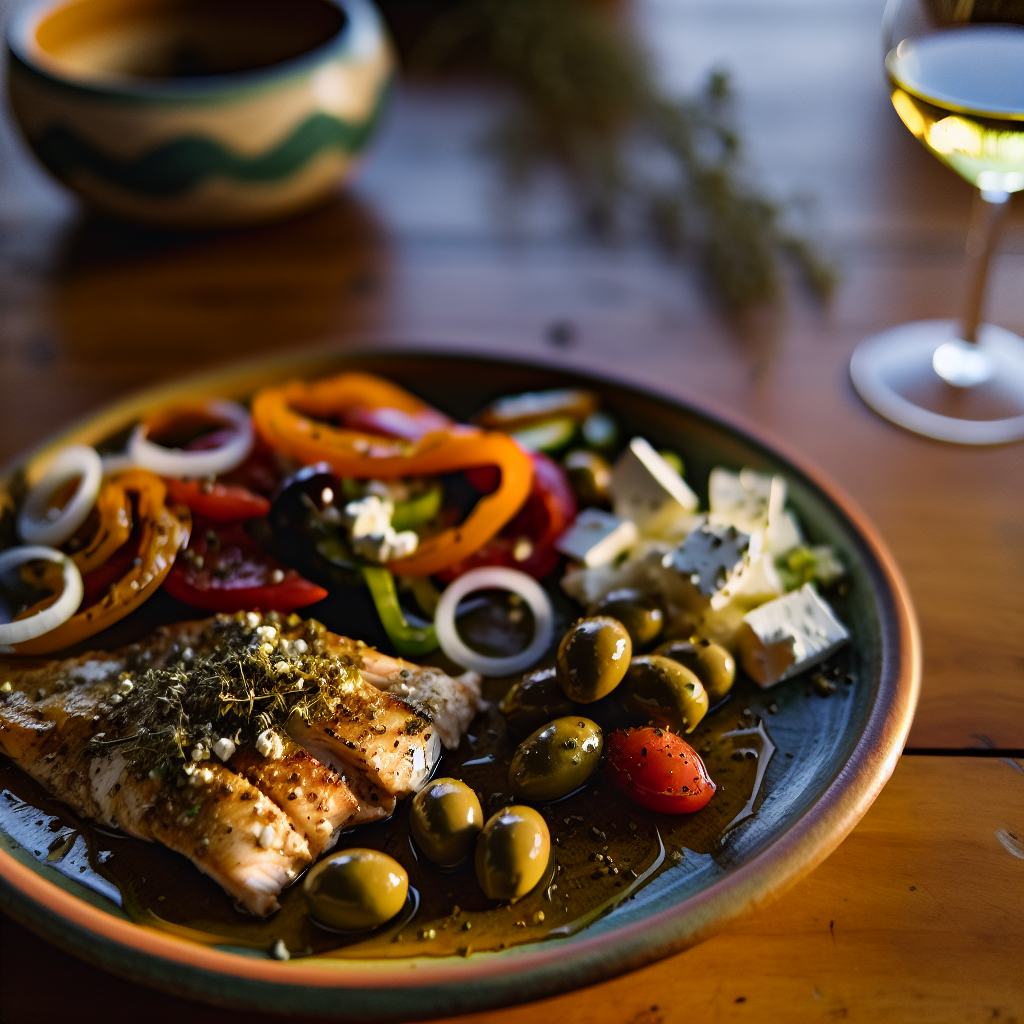
Lunch: Greek-style salad with grilled sardines. Mixed greens, cucumber, tomato, red onion, Kalamata olives, feta cheese, two cans of sardines, dressed with olive oil and lemon juice. This is my go-to when I haven’t prepped anything because it takes 10 minutes.
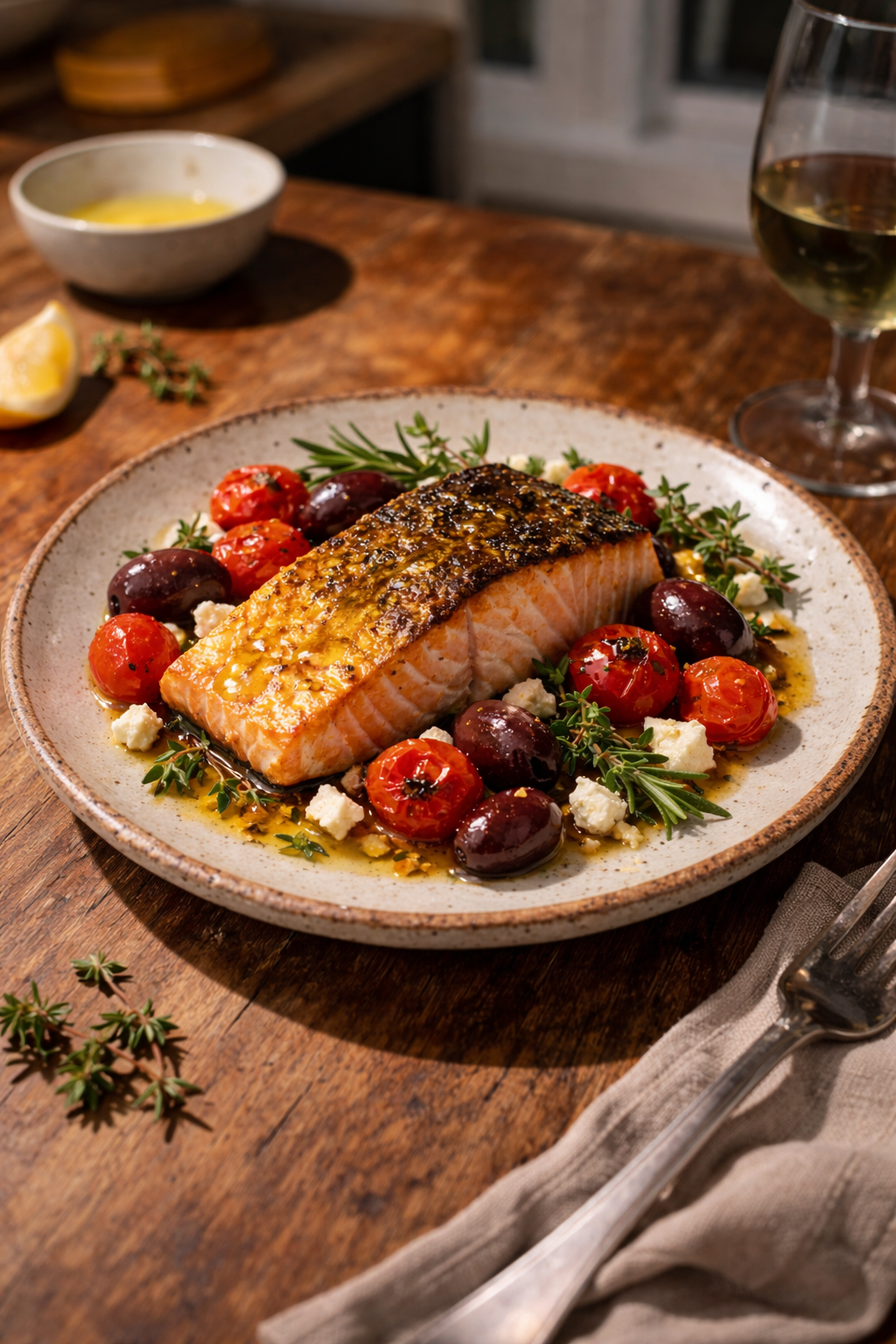
Dinner: Baked salmon with roasted broccoli and cauliflower. Season the salmon with herbs, drizzle everything generously with olive oil, roast together. Serve with a side of arugula dressed simply with oil and vinegar.
Day 2
Lunch: Leftover salmon flaked over sautéed spinach with garlic, topped with a poached egg and more olive oil. This is such a satisfying lunch that keeps me full for hours.
Dinner: Chicken thighs roasted with Mediterranean vegetables (zucchini, bell peppers, red onion). Toss everything in olive oil, oregano, and lemon juice. Serve with a simple mixed green salad.
Day 3
Lunch: Leftover chicken with a large Greek salad (no sardines this time, just feta, olives, vegetables, and plenty of olive oil).
Dinner: Pan-fried mackerel with garlic sautéed kale and a side of roasted eggplant. Mackerel is inexpensive and one of the best sources of omega-3s.
Day 4
Lunch: Egg and vegetable frittata made with whatever vegetables you have left from earlier in the week. I usually do spinach, bell peppers, and onions, topped with some crumbled feta. Serve with a simple tomato salad.
Dinner: Grilled lamb chops (yes, occasionally) with roasted Brussels sprouts and a large mixed salad. The lamb fat is rich, so I keep the portion modest and load up on vegetables.
Day 5
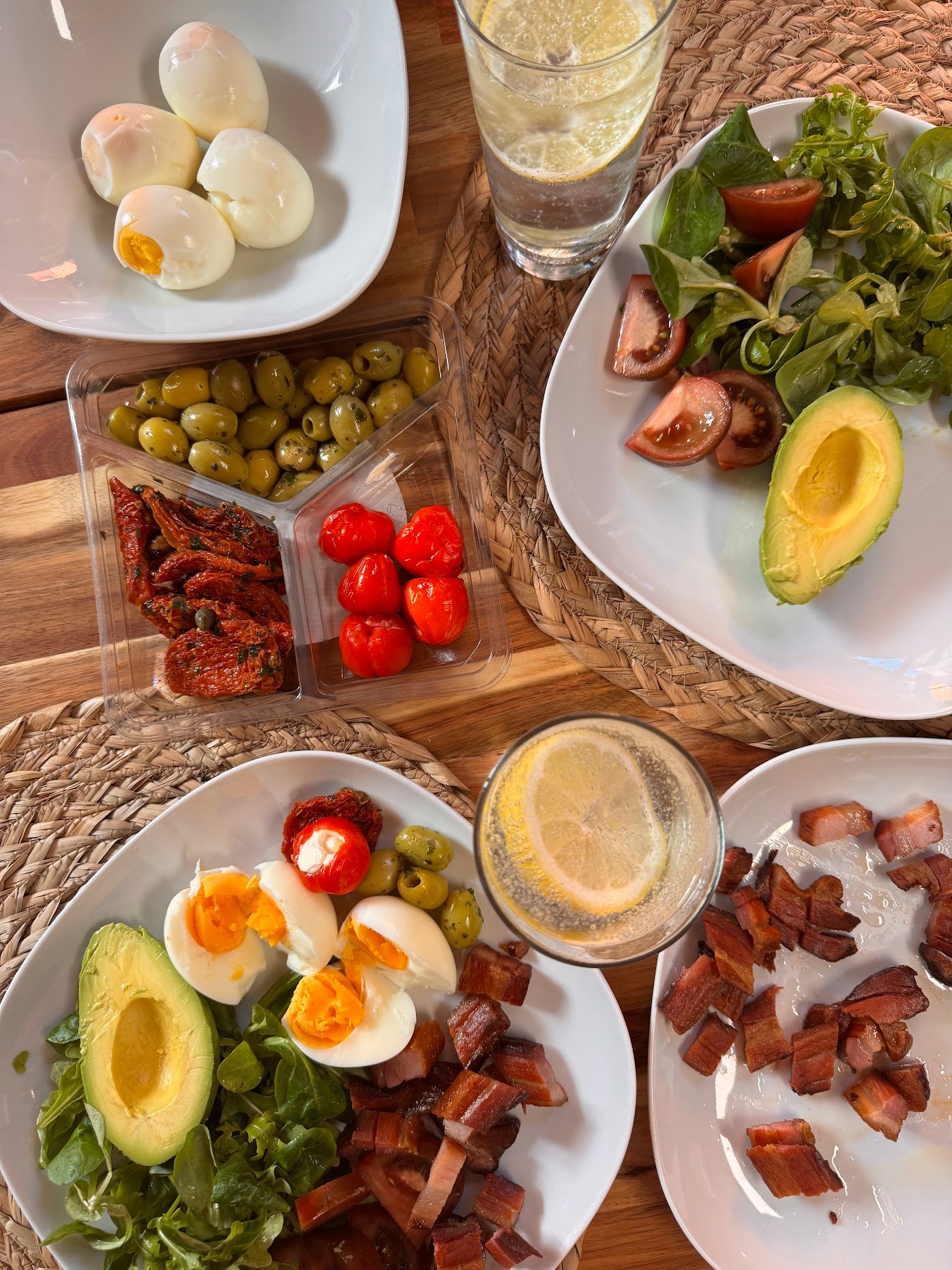
Lunch: Tuna salad (good quality canned tuna in olive oil) served over mixed greens with cucumber, olives, hard-boiled eggs, and avocado. Dress with olive oil and vinegar.
Dinner: Baked cod with tomato and olive sauce over zucchini noodles. The sauce is just crushed tomatoes, garlic, olives, capers, and herbs—so simple but full of flavor.
Day 6
Lunch: Leftover cod with a large spinach salad topped with walnuts and a simple olive oil dressing.
Dinner: Grilled chicken with a large serving of ratatouille (eggplant, zucchini, bell peppers, tomatoes, all cooked slowly in olive oil). This is comfort food that happens to be perfectly keto.
Day 7
Lunch: Sardine and avocado plate with raw vegetables (bell pepper strips, cucumber, cherry tomatoes) and olives. Sometimes the simplest meals are the most satisfying.
Dinner: Seafood medley (whatever fish looks good at the market) with roasted asparagus and a large arugula salad with shaved Parmesan.
Macro Guidelines Without Obsessing
These meals naturally hit around 70% fat, 20% protein, and 10% carbs if you’re eating appropriate portions. But here’s what I’ve learned: obsessing over exact percentages creates stress, and stress makes perimenopause symptoms worse.
Instead, use these visual cues: your protein should be about the size and thickness of your palm. Your non-starchy vegetables should fill at least half your plate. Your added fats (olive oil, avocado, olives, nuts) should be generous but not excessive—a good drizzle of oil on your vegetables, a quarter of an avocado, a small handful of nuts.
Research from the European Journal of Nutrition found that intuitive eating combined with a keto framework led to better long-term adherence than strict macro tracking in women over 40. Your body knows what it needs if you listen.
The Shopping List: What You’ll Actually Need
Someone in my Facebook group asked last week, “Why is my keto grocery bill so high?” When I looked at her cart, it was full of expensive specialty products. This Mediterranean approach is actually more budget-friendly because you’re buying real food, not processed keto products with a markup.
Your Mediterranean Keto Pantry Staples
Extra virgin olive oil (buy the biggest bottle you can afford of good quality—you’ll use it for everything). Canned sardines, mackerel, and tuna in olive oil or water. Olives (Kalamata, green, whatever you enjoy). Capers. Good quality sea salt. Dried oregano, thyme, and rosemary. Black pepper. Red wine vinegar and apple cider vinegar. Canned whole tomatoes. Garlic (always fresh, never jarred).
These items last weeks or months and form the flavor foundation of everything you’ll cook.
Weekly Fresh Ingredients
Leafy greens (I buy mixed salad greens, spinach, and arugula every week). Cruciferous vegetables (broccoli, cauliflower, Brussels sprouts—rotate based on what looks good). Mediterranean vegetables (zucchini, eggplant, bell peppers). Fresh herbs (parsley and basil are my staples). Lemons (I go through at least six a week). Eggs (a dozen minimum).
Protein: three different types of fatty fish, chicken thighs, and one red meat option if desired. I buy what’s freshest rather than following a rigid plan. This is how Mediterranean people actually shop—based on what’s good that day.
Avocados (3-4 per week). Feta cheese (one block). Parmesan (a good wedge that lasts). Butter (one stick, used sparingly).
Where to Splurge and Where to Save
Splurge on: olive oil quality and wild-caught fish when possible. These are your primary fat and protein sources—they matter.
Save on: vegetables don’t need to be organic unless you’re buying the dirty dozen. Frozen vegetables work perfectly for cooked dishes. Canned fish is just as nutritious as fresh and much more affordable.
My non-negotiable is olive oil quality. I learned from my Spanish neighbors that good olive oil isn’t a luxury—it’s medicine. Everything else is negotiable based on your budget.
Meal Prep Strategy: 2 Hours on Sunday
I used to think meal prep meant spending all day Sunday cooking bland chicken breasts and dividing them into containers. No wonder I resisted it. Mediterranean meal prep is different—you’re preparing components, not complete meals.
The Sunday Prep Session
Start by washing all your greens and storing them in containers lined with paper towels. This single step makes eating salads throughout the week actually happen. Chop your bell peppers, cucumber, and other raw vegetables. Store them separately in containers.
Hard-boil a dozen eggs. These become emergency protein or salad toppers all week. While those are cooking, prep your vegetables for roasting—chop broccoli, cauliflower, Brussels sprouts, zucchini, whatever you bought. Don’t cook them all yet; just have them ready.
Make a large batch of simple vinaigrette: three parts olive oil to one part vinegar, salt, pepper, maybe some Dijon mustard. Shake it in a jar and use it all week. I also make a quick tomato sauce with canned tomatoes, garlic, and herbs that I can use for multiple meals.
Cook one or two proteins that keep well: bake chicken thighs or roast a large piece of fish. These give you a head start on the week’s meals.
What to Prep vs What to Make Fresh
Prep: vegetable washing and chopping, hard-boiled eggs, basic proteins, salad dressings, sauces. Make fresh: delicate fish, salads (assemble when ready to eat), eggs cooked any way except hard-boiled, anything that won’t taste good reheated.
I learned this through trial and error. Wilted salads and rubbery reheated salmon taught me valuable lessons about what actually works.
Storage Tips for Maximum Freshness
Store greens with paper towels to absorb moisture. Keep fresh herbs in a glass of water in the fridge, covered loosely with a plastic bag. Store cooked proteins in airtight containers, but don’t refrigerate them until they’ve cooled completely.
Most cooked vegetables keep 4-5 days. Fish is best eaten within 2-3 days. When in doubt, freeze portions you won’t eat within three days.
Making It Work for Your Life
A mediterranean keto meal plan only works if it fits your actual life. I live in Spain where finding these foods is easy, but I’ve helped women in the UK, US, and other countries adapt this approach to what’s available locally.
Eating Out on Mediterranean Keto
This is actually easier than standard keto. Order grilled fish or meat, ask for vegetables instead of potatoes or rice, and request extra olive oil on the side. Most restaurants are happy to accommodate this.
I eat out often because, well, I live in Spain and that’s part of the culture. I’ve never had trouble finding something that fits this way of eating. Greek, Italian, Spanish, Middle Eastern, even French restaurants are usually perfect. Just skip the bread basket and you’re set.
What to Do When Life Happens
Last month I had a week where everything fell apart. I didn’t prep, I had unexpected work deadlines, and I was tempted to just order pizza and give up. Instead, I relied on what I call my “emergency meals”: canned sardines with a bag of prewashed salad greens and some olives. A rotisserie chicken from the grocery store with pre-cut vegetables roasted quickly. Eggs scrambled with frozen spinach.
These aren’t fancy, but they keep you on track when life gets chaotic. Anna, who’s been following this approach for six months, messaged me saying, “The emergency meals saved me during a family crisis. I didn’t have to abandon everything just because I couldn’t do the full prep.”
Quick backup meals for when you have 15 minutes: sardines and salad, eggs any style with sautéed greens, deli turkey rolled with avocado and vegetables, tuna mixed with olive oil and capers over lettuce, frozen fish fillet baked with pre-cut vegetables.
Adjusting for Your Body’s Signals
After about two weeks on this mediterranean keto meal plan, pay attention to how you feel. More energy? Better sleep? Fewer hot flashes? That’s your body saying “yes, this works.”
Still struggling with energy? You might need slightly more carbs from vegetables. Add sweet potato once or twice a week or increase your tomato and bell pepper portions. We’re not trying to stay in deep ketosis forever—we’re trying to feel good.
Feeling too full or losing weight too quickly? Add more nuts, avocados, or olives. Not losing weight after a month despite feeling better? Check your portions of cheese and nuts—these are easy to overdo. But honestly, if your symptoms are improving, the scale isn’t the only measure that matters.
I saw a post on Reddit that made me sad—a woman wrote that her doctor told her she’d just have to live with hot flashes and brain fog. Several women in my community have found that dietary changes, specifically this mediterranean keto approach, significantly reduced their symptoms even when their doctors were dismissive.
Research from the North American Menopause Society found that dietary interventions focusing on anti-inflammatory foods reduced hot flash frequency by up to 50% in some women. Your symptoms aren’t “just part of aging” that you have to accept.
This mediterranean keto meal plan isn’t a quick fix or a temporary diet. It’s meant to become how you eat—a sustainable approach that gets easier over time, not harder. After seven years, I don’t think about it anymore. It’s just how I shop, how I cook, how I eat.
You’re not alone in this journey. Thousands of women are navigating the same hormonal changes, the same frustrations with bodies that suddenly seem to play by different rules. The difference is that now you have a framework based on centuries of Mediterranean wisdom adapted for the specific needs of women in their 40s and beyond.
Start with one week. Follow the meal plan, see how you feel, adjust as needed. You don’t have to be perfect—you just have to start. And remember, every meal is a chance to nourish yourself with real food that supports your changing body instead of fighting against it.