Movement is Medicine
Exercise strategies designed for women over 40 navigating perimenopause
Why Movement Matters (Even More) After 40
During perimenopause, declining estrogen affects everything from your metabolism to your bone density. Exercise becomes even more critical – not just for weight loss, but for maintaining muscle, bone strength, mental clarity, and hormone balance.
The good news? You don’t need to spend hours in the gym. Strategic, consistent movement combined with proper nutrition delivers better results than exhausting yourself with excessive cardio.
The Benefits for Perimenopause
🔥 Boosts Metabolism
Muscle is metabolically active. More muscle = higher resting metabolism, even as estrogen declines.
🦴 Protects Bone Density
Weight-bearing exercise signals your body to maintain and build bone mass as estrogen drops.
🌡️ Reduces Hot Flashes
Regular exercise can reduce hot flash frequency and intensity by up to 50%.
😴 Improves Sleep
Morning or afternoon exercise helps regulate circadian rhythm and deepens sleep quality.
🧠 Clears Brain Fog
Cardio increases blood flow to the brain, improving memory and concentration.
😊 Stabilizes Mood
Exercise boosts serotonin and endorphins, countering perimenopause mood swings.
The Three Pillars of Movement
1. Strength Training (2-3x Weekly)
Why it’s essential: Preserves and builds muscle mass that naturally declines with age and hormonal changes. Muscle burns calories at rest and protects your metabolism.
What to do:
- Full-body workouts focusing on compound movements
- Bodyweight exercises: squats, lunges, push-ups, planks
- Resistance bands or dumbbells as you progress
- 30-40 minutes per session
Key principle: Progressive overload – gradually increase difficulty over time.
2. Daily Walking (30-45 Minutes)
Why it’s essential: Low-impact, sustainable, reduces stress cortisol, aids digestion, and burns extra calories without overtaxing your system.
What to do:
- Morning walks are ideal (helps regulate circadian rhythm)
- Beach, park, or neighborhood – just move
- Moderate pace – you should be able to talk but feel slightly breathless
- Can be split into 2x 20-minute sessions if needed
Burns: 150-250 kcal depending on pace and weight
3. Flexibility & Recovery (Daily)
Why it’s essential: Prevents injury, reduces joint pain, improves mobility, and activates the parasympathetic nervous system (rest & digest).
What to do:
- Gentle yoga or stretching – 10-15 minutes
- Focus on hips, hamstrings, shoulders
- Evening stretching can improve sleep
- Consider adding swimming or tai chi weekly
Sample Weekly Schedule
Here’s what a balanced week might look like:
Monday: Strength + Walk
• Morning: 30-min full-body strength workout
• Evening: 30-min walk
Tuesday: Active Recovery
• Morning: 45-min gentle walk
• Evening: 15-min yoga/stretching
Wednesday: Strength + Walk
• Morning: 30-min strength (different exercises than Monday)
• Evening: 30-min walk
Thursday: Walk + Flexibility
• Morning: 45-min brisk walk
• Evening: 20-min yoga
Friday: Strength + Walk
• Morning: 30-min full-body strength
• Afternoon: 30-min walk
Saturday: Fun Movement
• Choose: Swimming, hiking, dancing, cycling – 45-60 min
• Evening: Gentle stretching
Sunday: Active Rest
• Light walk 20-30 min
• Restorative yoga or full rest
Exercise Modifications for Common Symptoms
If You Have Hot Flashes:
- Choose cooler times of day (early morning or evening)
- Swimming and water aerobics have a cooling effect
- Keep intensity moderate – high-intensity can trigger flashes
- Layer clothing so you can adjust
If You Have Joint Pain:
- Focus on low-impact: swimming, cycling, elliptical
- Warm up thoroughly (10 minutes minimum)
- Strength training actually helps – builds supporting muscles
- Consider yoga for mobility and pain management
If You’re Exhausted:
- Start with just 10-15 minutes of walking
- Morning movement can actually boost energy
- Don’t push through true fatigue – rest when needed
- Gentle yoga counts as movement on tired days
What About Cardio?
You’ll notice we don’t emphasize traditional cardio (running, spin classes, HIIT). Here’s why:
- Excessive cardio raises cortisol – already elevated during perimenopause
- It can make you hungrier – harder to maintain calorie goals
- It doesn’t preserve muscle – which you need more than ever
- Walking provides cardio benefits – without the downsides
That said, if you love running or cycling, keep doing it! Just balance it with strength training and don’t overdo volume.
Nutrition + Movement = Results
Exercise without proper nutrition won’t get you the results you want. The combination is powerful:
- Protein + strength training = muscle preservation and growth
- Keto + walking = efficient fat burning
- Anti-inflammatory foods + exercise = reduced joint pain
- Proper fueling + consistent movement = sustainable energy
Learn more about Mediterranean Clean Keto nutrition.
Get Your Personalized Movement Plan
Every meal plan includes custom movement recommendations based on your fitness level and goals.
Start Where You Are
The “perfect” exercise plan is the one you’ll actually do. If you’re currently sedentary, start with:
- Week 1-2: 10-minute daily walks
- Week 3-4: 20-minute walks + 2x bodyweight exercises
- Week 5-6: 30-minute walks + 3x strength sessions
- Week 7+: Full schedule as outlined above
Progress gradually. Consistency beats intensity every time.
Related Articles
-
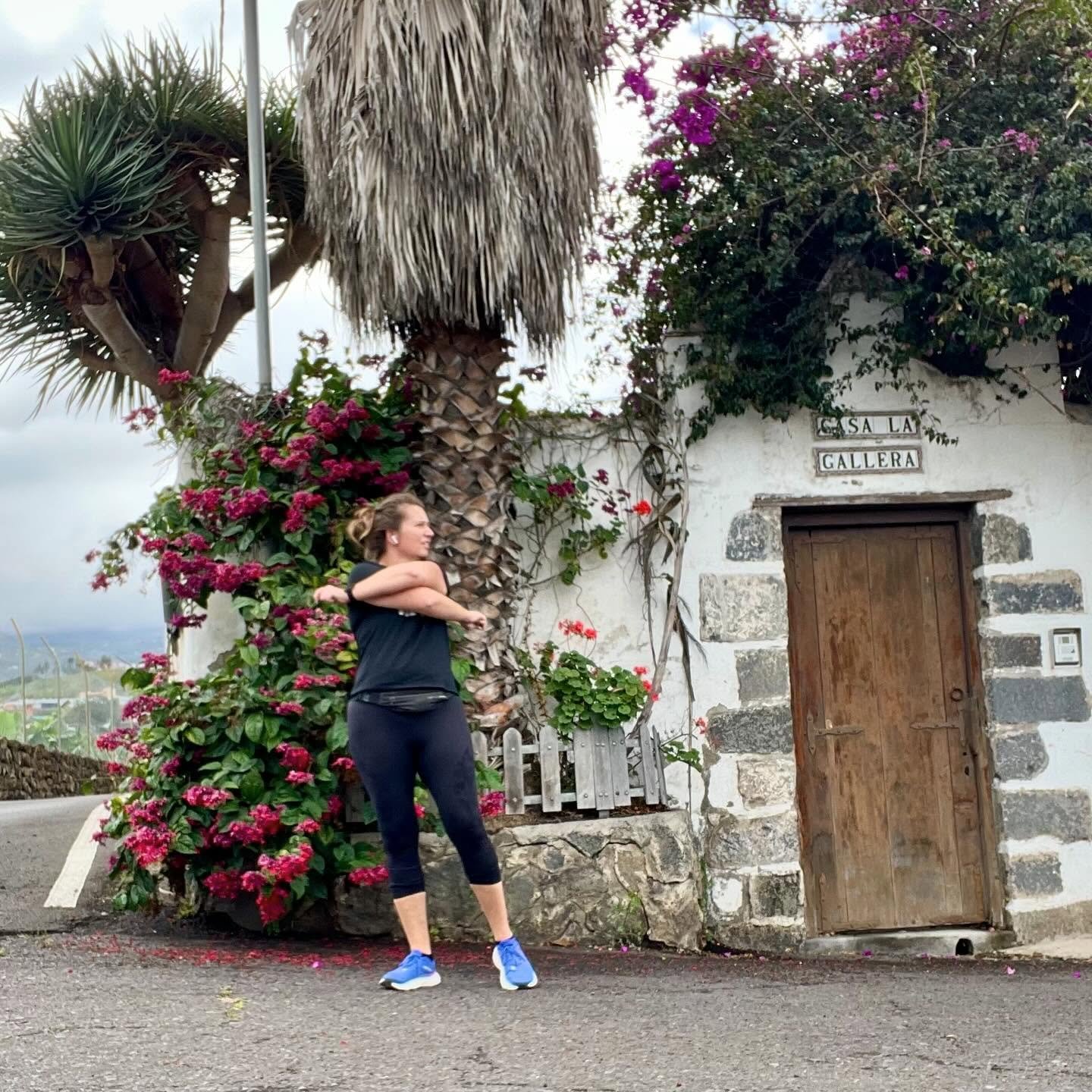
Walking Benefits Cortisol More Than HIIT Ever Did
Discover how walking benefits cortisol levels better than intense workouts. Why this simple shift transformed my perimenopause hormones at 46.