An email landed in my inbox last Tuesday that I can’t stop thinking about. “Susana,” it read, “I’ve been doing keto for six months, eating all the ‘approved’ fats, but I feel worse than ever. My joints ache, my skin is dry, and I’m still gaining weight around my middle. What am I doing wrong?”
I knew exactly what she was doing wrong because I did it too when I first started. She was treating all fats the same way. And when it comes to olive oil health benefits women over 40 need most, there’s a massive difference between chugging bulletproof coffee with butter and drizzling real extra virgin olive oil over your food.
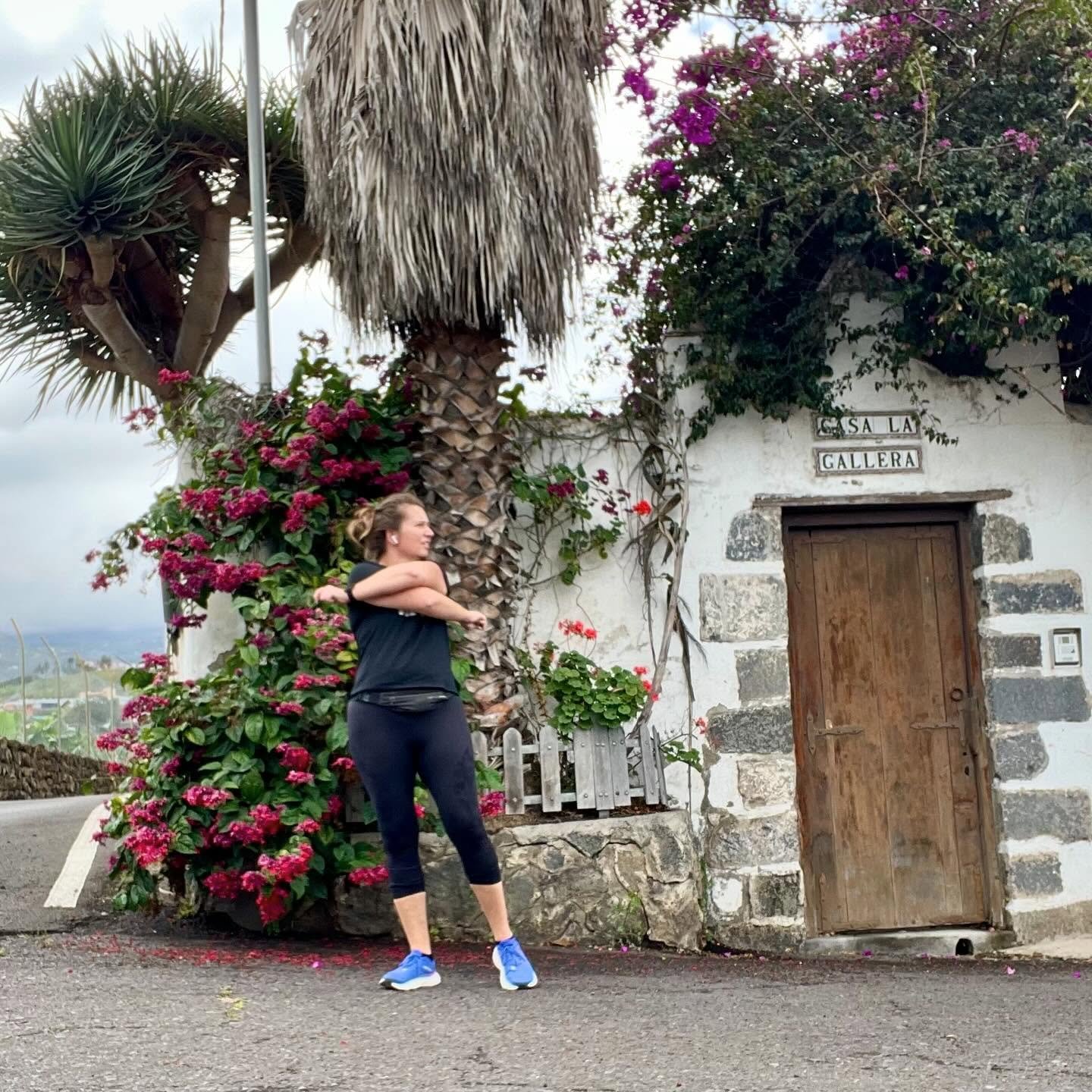
Let me tell you what happened when I moved to Spain seven years ago and started eating the way Mediterranean women have eaten for centuries.
The Fat That Changed Everything
When I first arrived in Spain at nearly 100kg, I watched my neighbor Sofia prepare lunch every day. She’s 58 now, moves like she’s decades younger, and has this glow that has nothing to do with makeup. Her secret? She pours olive oil over everything with a generosity that would make most diet books gasp.
Sofia uses about three to four tablespoons of olive oil daily. On salads. Over grilled fish. Drizzled on roasted vegetables still hot from the oven. Even a small puddle on her plate for dipping bread (yes, she eats bread, but that’s another story).
I was skeptical at first. Wasn’t I supposed to be measuring my fats carefully? Counting every calorie? But then I noticed something. Sofia wasn’t just slim. She didn’t complain about the symptoms that were making my life miserable. No mention of joint pain. No talk of brain fog. She slept through the night while I was waking up drenched in sweat.
So I started paying attention to what science actually says about olive oil and women’s bodies, especially during perimenopause.
The 7 Olive Oil Benefits Most Women Are Missing
1. It Actually Helps Balance Your Hormones (Not Just Your Blood Sugar)
Here’s what nobody tells you about perimenopause and fat. Your body needs specific fats to produce hormones. Not just any fat. The right kinds.
A 2023 study from the University of Navarra followed over 11,000 women for more than a decade. Those who consumed at least two tablespoons of extra virgin olive oil daily had significantly better hormonal markers during their menopausal transition. Their estrogen didn’t just crash off a cliff the way it does for women eating low-fat or eating the wrong fats.
The polyphenols in real extra virgin olive oil, especially oleocanthal and oleuropein, act almost like gentle hormone modulators. They don’t replace your hormones, but they help your body use what you have more efficiently.
My friend Marta, who’s 52 and teaches English in Barcelona, started using quality olive oil liberally about eight months ago. She told me last week that her hot flashes have gone from eight to ten a day down to maybe two or three. Her doctor was shocked at her recent bloodwork, asking what she’d changed.
2. It Fights the Inflammation That’s Making Everything Worse
You know that feeling where everything just hurts more than it used to? Your knees when you climb stairs. Your hands when you type. That stiffness when you get out of bed in the morning.
I used to think that was just getting older. It’s not.
It’s inflammation, and it gets significantly worse during perimenopause when estrogen drops. Estrogen is actually anti-inflammatory, so when it declines, inflammation goes wild in our bodies.
Extra virgin olive oil contains oleocanthal, a compound that works similarly to ibuprofen in your body. A study published in the journal Nutrients in 2024 found that women who consumed at least three tablespoons daily had inflammatory markers (specifically C-reactive protein) drop by up to 30% within twelve weeks.
I saw a post on Reddit last month in a perimenopause forum where a woman wrote about how she couldn’t open jars anymore and thought she was developing arthritis at 44. The comments were full of women saying “me too.” This is inflammation, and olive oil is one of the most powerful foods to fight it.
3. It Protects Your Brain During the Fog
Can I be honest about something? The brain fog scared me more than the weight gain ever did.
There were days I’d be in the middle of a sentence and just… lose the word. Not a complicated word. Simple words like “window” or “Tuesday.” I’d stand there with my mouth open, feeling like my brain had just shut off.
Anna, who’s part of my online community, messaged me in tears last year. She’s 47, works in finance, and was terrified she was developing early dementia. She’d forgotten an important client meeting. Twice. Her boss was losing patience, and she was losing confidence.
Here’s what’s actually happening. During perimenopause, declining estrogen affects the hippocampus, the part of your brain responsible for memory and learning. At the same time, inflammation increases and blood flow to the brain can decrease.
Research from the PREDIMED study, one of the largest nutrition studies ever conducted, found that women who followed a Mediterranean diet rich in extra virgin olive oil had 40% better cognitive function as they aged compared to women eating low-fat diets. The healthy fats in olive oil literally feed your brain and protect the connections between neurons.
The polyphenols cross the blood-brain barrier and act as antioxidants directly in your brain tissue. They protect against oxidative stress that accelerates cognitive decline.
Anna started having a tablespoon of olive oil with breakfast every morning and using it generously in her cooking. Three months later, the fog had lifted. Not completely, not every day, but enough that she felt like herself again.
4. It Supports Your Heart When Estrogen Stops Protecting It
This one terrifies me, honestly. Before menopause, estrogen protects our hearts. It keeps our blood vessels flexible, helps manage cholesterol, reduces inflammation in our arteries.
When estrogen drops, suddenly we lose that protection. Heart disease becomes the number one killer of women over 50. Not breast cancer. Not any cancer. Heart disease.
A 2024 study in the Journal of the American College of Cardiology tracked over 60,000 women for 24 years. Those who consumed more than half a tablespoon of olive oil daily had a 14% lower risk of cardiovascular disease compared to women who rarely consumed olive oil.
But here’s the important part: it wasn’t just about adding olive oil. It was about replacing other fats with olive oil. When women replaced butter, margarine, or other saturated fats with olive oil, the benefits multiplied.
The monounsaturated fats in olive oil improve your cholesterol profile. They raise HDL (the good cholesterol) and lower LDL oxidation (the process that makes bad cholesterol actually dangerous). The polyphenols improve the function of the endothelium, the delicate lining of your blood vessels.
5. It Helps Your Body Actually Absorb the Nutrients You’re Eating
Someone in my Facebook group asked last week why she wasn’t seeing results despite “eating all the right foods.” She was having huge salads for lunch, full of leafy greens, tomatoes, peppers. All the vegetables women’s magazines tell you to eat.
But she was eating them with fat-free dressing.
Here’s what most people don’t know: many of the most powerful nutrients in vegetables are fat-soluble. Vitamins A, D, E, and K. Carotenoids like lycopene and beta-carotene. Your body literally cannot absorb them without fat.
Research published in the American Journal of Clinical Nutrition found that when people ate salads with fat-free dressing, they absorbed almost no carotenoids from their vegetables. When they added olive oil, absorption increased by up to 800%.
This matters more during perimenopause because we need every bit of nutrition we can get. Our bodies are under stress. We’re dealing with hormonal chaos, increased inflammation, higher cortisol. We need those antioxidants and vitamins working for us.
Now I tell everyone: if you’re going to eat a beautiful salad full of nutrients, don’t waste it with fat-free dressing. Drizzle real olive oil over it. You’re not adding unnecessary calories. You’re making the food actually work.
6. It Satisfies You in a Way That Prevents the 3pm Rampage
You know that feeling at 3pm when you’d eat your own arm if it were covered in chocolate? When you find yourself standing at the kitchen counter eating handfuls of whatever you can find?
That’s not a willpower problem. That’s a blood sugar and satiety problem.
I used to have a salad with grilled chicken for lunch, no dressing, feeling very virtuous. By mid-afternoon, I was ravenous. I’d tell myself I just needed a small snack, and then I’d eat half a bag of nuts or three keto cookies or whatever I could find.
When I started having that same salad with two tablespoons of olive oil drizzled over it, everything changed. The fat slowed down my digestion. It triggered satiety hormones. It kept my blood sugar stable. I could make it to dinner without that desperate hunger that leads to bad decisions.
The monounsaturated fats in olive oil trigger the release of peptide YY and GLP-1, hormones that signal fullness to your brain. They literally tell your body “we’re satisfied now, we can stop eating.”
A client I worked with, let’s call her Eva, was struggling with evening binge eating. Every night, no matter how “good” she’d been all day, she’d find herself in the kitchen at 9pm eating everything she could find. We didn’t change what she ate for dinner. We just added more olive oil to it. The evening binges stopped within a week.
7. It Protects Your Bones When They’re Most Vulnerable
This is the benefit nobody talks about, but it might be one of the most important for women over 40.
When estrogen drops during perimenopause, bone loss accelerates. Women can lose up to 20% of their bone density in the five to seven years after menopause. That’s terrifying.
But research from the University of Madrid found that women who consumed olive oil daily had significantly higher bone density than women who didn’t. The polyphenols in olive oil, particularly oleuropein, stimulate osteoblasts (the cells that build bone) and reduce osteoclast activity (the cells that break down bone).
The anti-inflammatory effects matter here too. Chronic inflammation accelerates bone loss. By reducing inflammation, olive oil protects your skeleton.
My neighbor Sofia I mentioned earlier? She’s 58 and has the bone density of a woman in her 30s. Her doctor told her to keep doing whatever she’s doing. What she’s doing is eating the way Mediterranean women have eaten for generations, with olive oil as a foundational part of every meal.
But Not All Olive Oil Is Created Equal
Here’s where I need to be brutally honest. The olive oil in the plastic bottle at the discount store is not going to give you these benefits.
For these olive oil health benefits women need during perimenopause, you need real extra virgin olive oil. Not “pure olive oil.” Not “light olive oil.” Extra virgin.
It should taste peppery, almost like it burns the back of your throat. That’s the oleocanthal, the compound that fights inflammation. If your olive oil tastes like nothing, it’s probably refined and has lost most of its beneficial compounds.
Look for dark glass bottles. A harvest date (not just a best-by date). Words like “cold-pressed” or “first cold press.” Yes, it costs more. But you’re not buying cooking oil. You’re buying medicine that tastes delicious.
I spend about 20 euros on a liter of good Spanish extra virgin olive oil. It lasts me about two weeks. That’s less than I used to spend on supplements that did nothing.
How I Actually Use It
I know some of you are thinking “okay, but how do I actually eat three tablespoons of olive oil a day without just drinking it from the bottle?”
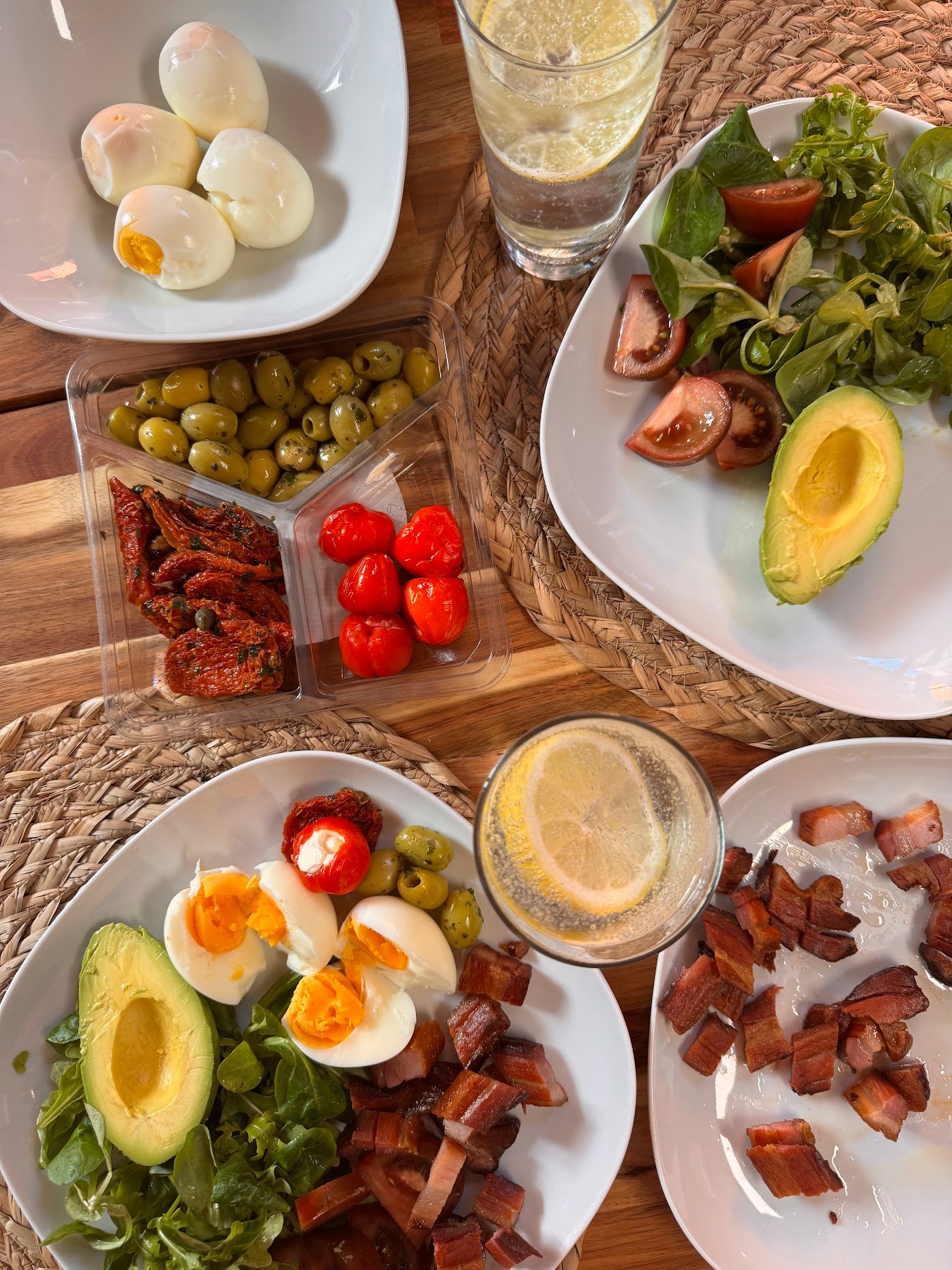
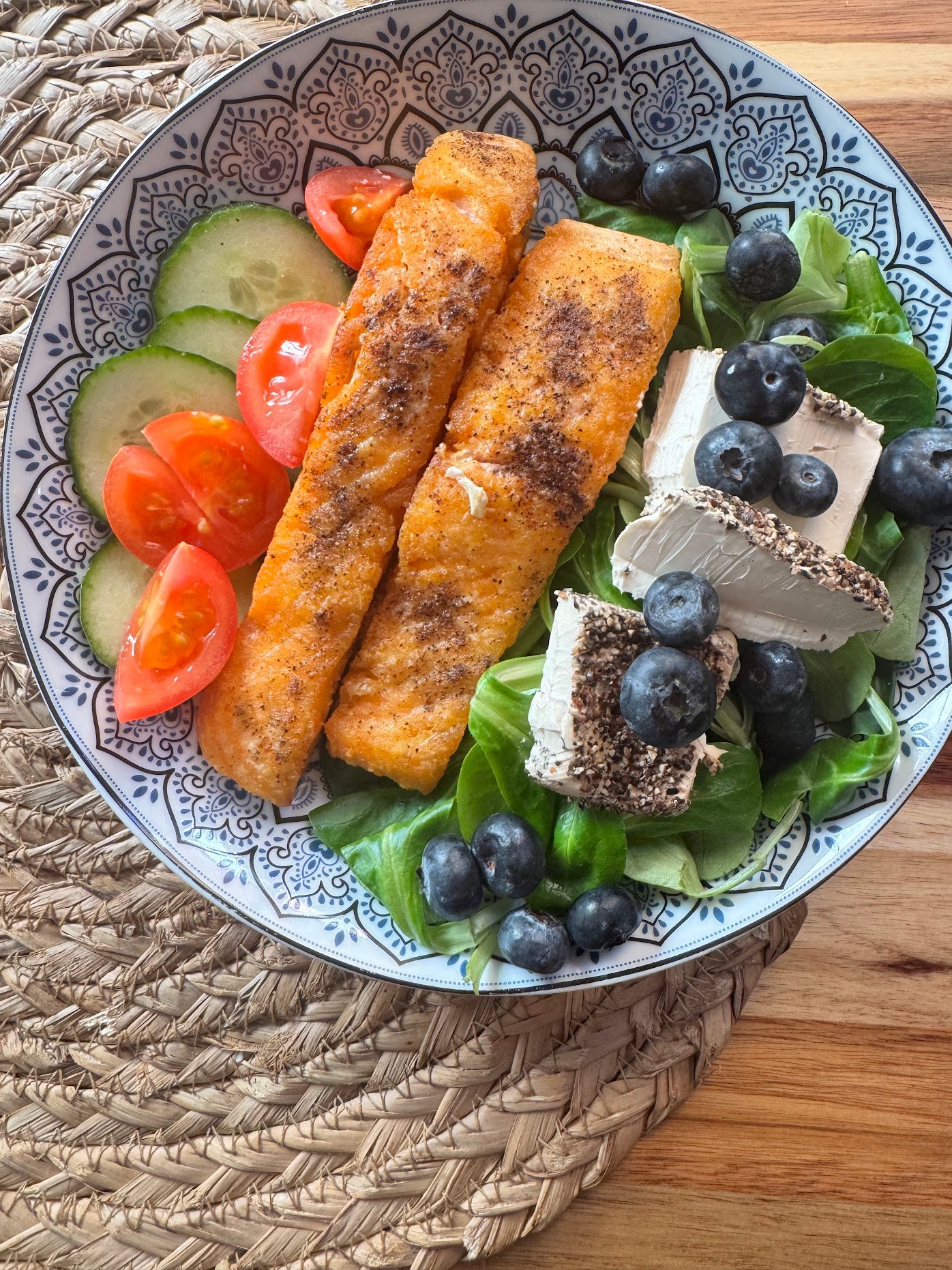
Here’s my typical day: A tablespoon drizzled over my morning eggs and sautéed spinach. Another tablespoon on my lunch salad with grilled sardines and tomatoes. A tablespoon over roasted vegetables with dinner, and sometimes another drizzled over the fish or chicken.
I use it for cooking, but I also add it at the end, drizzled over the finished dish. That’s when you get the full flavor and the maximum nutrition. Heat destroys some of the delicate polyphenols, so finishing with a drizzle of raw olive oil gives you the best of both worlds.
It’s not a supplement I have to remember to take. It’s not another pill. It’s just food. Real, delicious food that makes everything taste better and happens to be exactly what my body needs right now.
What Changed for Me
I wish I could tell you that olive oil alone made me lose 40kg. That would be a lie. It was part of a bigger shift toward eating real Mediterranean food, managing stress, moving my body in ways that felt good.
But the olive oil made everything else easier. The inflammation that made exercise painful decreased. The brain fog that made planning meals difficult lifted. The hunger that made staying on track impossible became manageable. The joint pain that kept me awake at night faded.
My skin changed too, becoming softer and less dry. My hair stopped falling out in concerning amounts. Small things that I’d accepted as “just part of getting older” improved.
The women in my community report similar experiences. Not overnight transformations. Gradual improvements that compound over weeks and months into significant changes.
You’re Not Imagining It
If you’re reading this and recognizing yourself in these symptoms, if you’ve been told your bloodwork is “normal” but you feel terrible, if you’re exhausted from trying everything and nothing working, I want you to know something.
You’re not imagining it. You’re not being dramatic. Your body is going through a massive transition, and it needs support. Real support, not another supplement or restrictive diet.
Sometimes the most powerful medicine is the simplest. It’s the golden liquid that Mediterranean women have been using for thousands of years. It’s right there in your kitchen, ready to help if you let it.
Pour it generously. Don’t be afraid of it. Your body knows what to do with real food. Trust it. Trust yourself.
We’re all in this together, figuring it out one day at a time, one delicious meal at a time.