Perimenopause: Your Complete Guide
Understanding your body’s changes and how Mediterranean keto can help you thrive
What Is Perimenopause?
Perimenopause is the transitional phase before menopause, typically beginning in your 40s (though it can start earlier). During this time, your ovaries gradually produce less estrogen, leading to a cascade of hormonal changes that affect your entire body.
This phase can last anywhere from a few months to 10 years, with the average being 4 years. You’re officially in menopause when you haven’t had a period for 12 consecutive months.
Common Perimenopause Symptoms
Every woman experiences perimenopause differently, but these are the most common symptoms:
🌡️ Hot Flashes & Night Sweats
Sudden feelings of intense heat, often accompanied by sweating and flushing. Can disrupt sleep and daily activities.
😴 Sleep Disturbances
Difficulty falling asleep, staying asleep, or waking too early. Often made worse by night sweats.
🧠 Brain Fog
Memory lapses, difficulty concentrating, mental fatigue. Not “just aging” – it’s hormonal.
😢 Mood Changes
Irritability, anxiety, depression, emotional volatility. Hormonal fluctuations affect neurotransmitters.
⚖️ Weight Gain
Especially around the midsection. Declining estrogen changes how your body stores fat and burns calories.
🦴 Joint Pain
Aches in joints, muscle stiffness, inflammation. Estrogen has anti-inflammatory properties you’re now losing.
Why Mediterranean Keto Helps
The Mediterranean ketogenic diet is uniquely suited to support women through perimenopause. Here’s why:
Stabilizes Blood Sugar & Insulin
Declining estrogen makes you more insulin resistant. Keto keeps blood sugar stable, reducing cravings, energy crashes, and belly fat accumulation.
Reduces Inflammation
Extra virgin olive oil, fatty fish, and colorful vegetables are packed with anti-inflammatory compounds that ease joint pain and support overall health.
Supports Brain Function
Ketones are an efficient fuel for your brain. Omega-3s from fish support cognitive function and mood regulation. Together, they combat brain fog and mood swings.
Preserves Muscle Mass
Higher protein intake (1.4-1.6g/kg) helps maintain muscle as estrogen declines. Muscle is metabolically active tissue that supports healthy weight and bone density.
Nutrition Strategies for Common Symptoms
For Hot Flashes:
- Increase omega-3s: Salmon, mackerel, sardines 2-3x weekly
- Avoid triggers: Spicy foods, alcohol, caffeine after 2pm
- Stay hydrated: Water helps regulate body temperature
For Sleep Issues:
- Magnesium-rich foods: Spinach, avocado, almonds at dinner
- No caffeine after 2pm: Even if you think it doesn’t affect you
- Stable blood sugar: Prevents midnight wake-ups from blood sugar crashes
For Brain Fog:
- Fatty fish: DHA supports cognitive function
- Extra virgin olive oil: Polyphenols protect brain cells
- Stay in ketosis: Ketones are brain fuel
For Joint Pain:
- Anti-inflammatory fats: Olive oil, avocado, omega-3s
- Turmeric & ginger: Natural anti-inflammatory compounds
- Eliminate processed foods: They promote inflammation
Movement Matters Too
Nutrition is crucial, but movement amplifies the benefits. Regular exercise helps with:
- Hot flash frequency and intensity
- Sleep quality
- Mood regulation (boosts serotonin and endorphins)
- Bone density (especially weight-bearing exercise)
- Insulin sensitivity
Learn more on our Movement Guide.
Get Your Personalized Plan
Tired of generic advice? Get a Mediterranean keto meal plan tailored to YOUR body, YOUR symptoms, and YOUR goals.
Related Articles
-
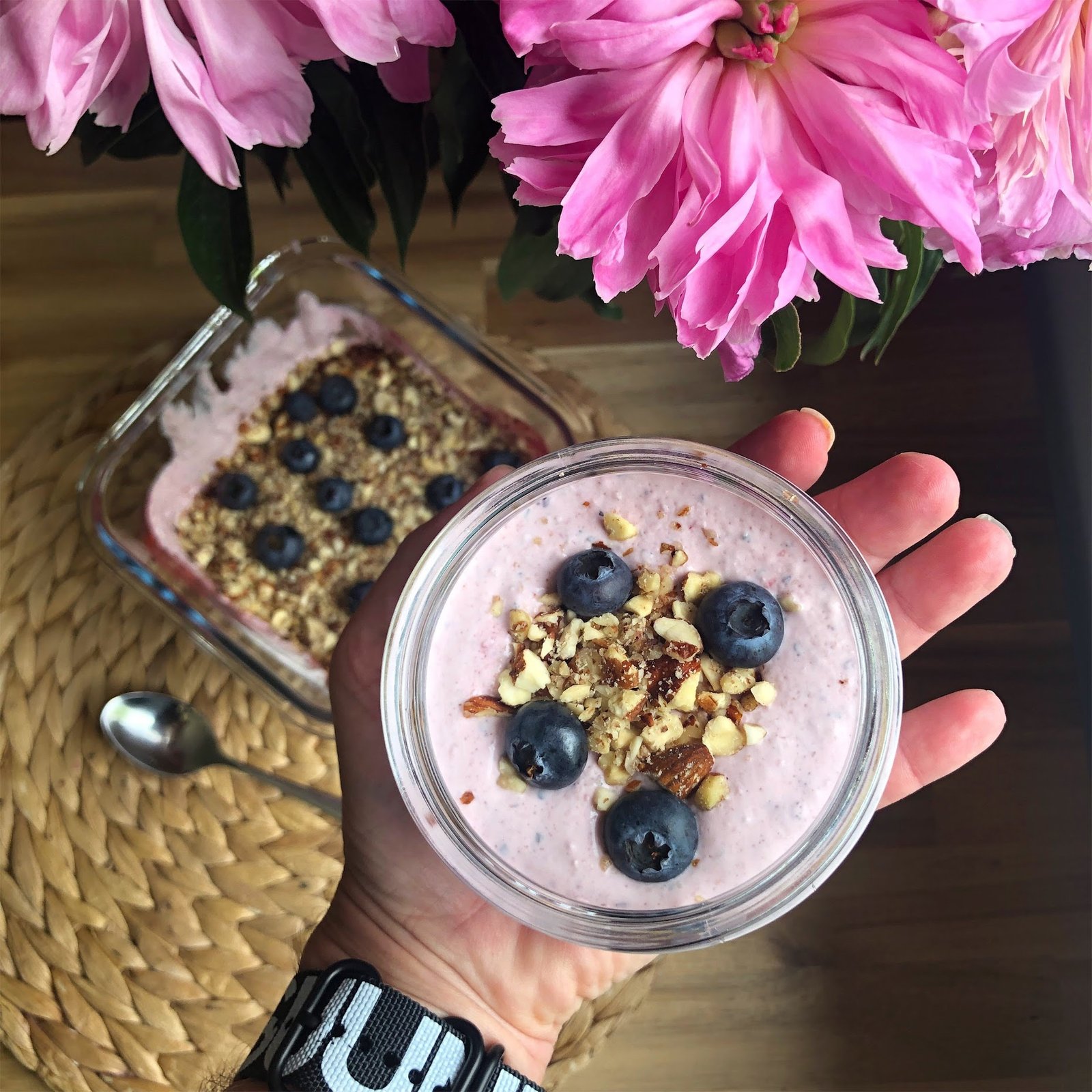
Healthy Fats Women Hormones Need After 40
Discover the healthy fats women hormones need most during perimenopause. Real Mediterranean foods that balance estrogen, not processed keto junk.
-
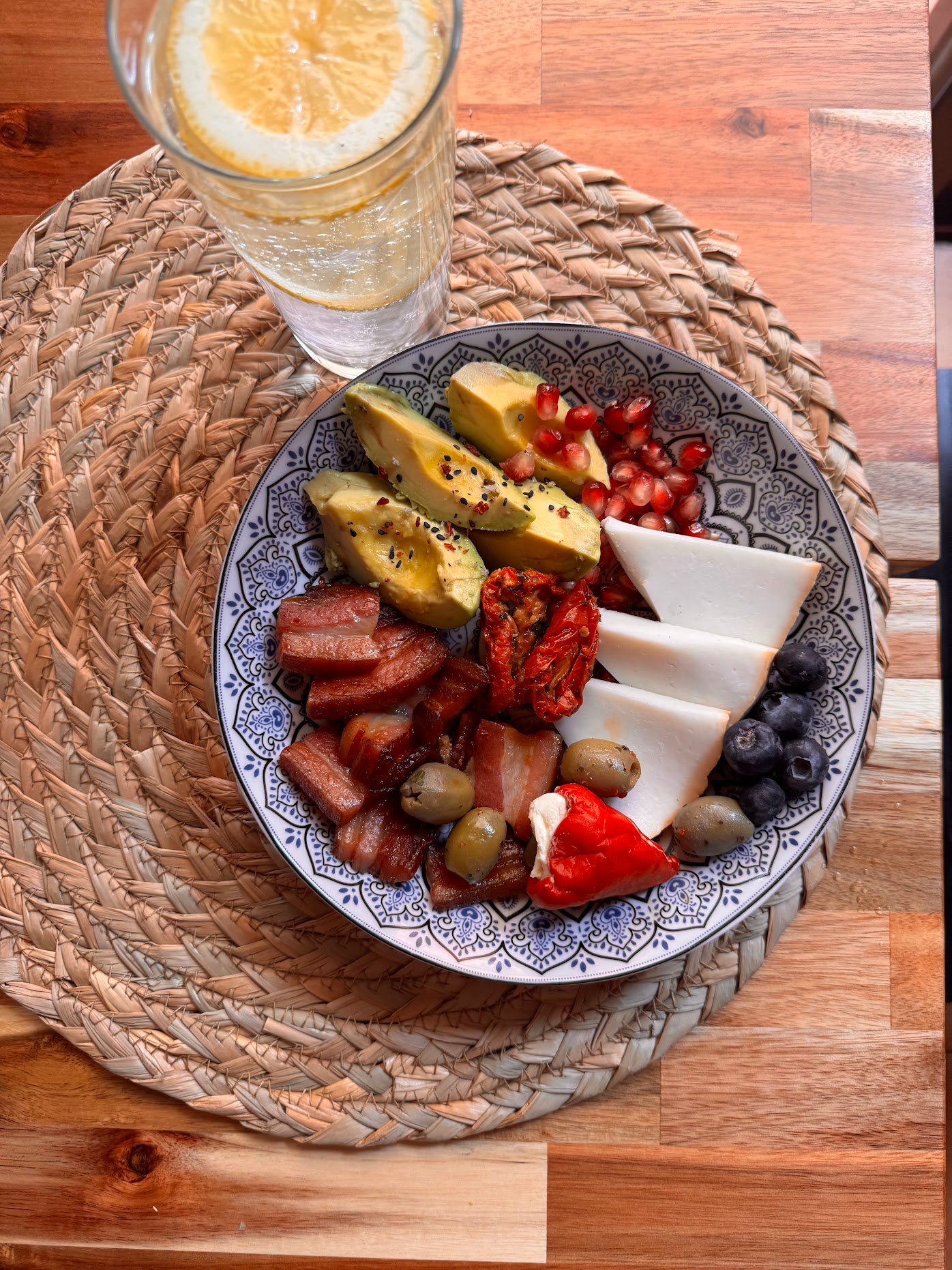
My Perimenopause Diet Plan (After Losing 40kg at 46)
A real perimenopause diet plan from someone who’s lived it. Mediterranean keto approach for hormonal balance, weight loss, and feeling like yourself again.
-
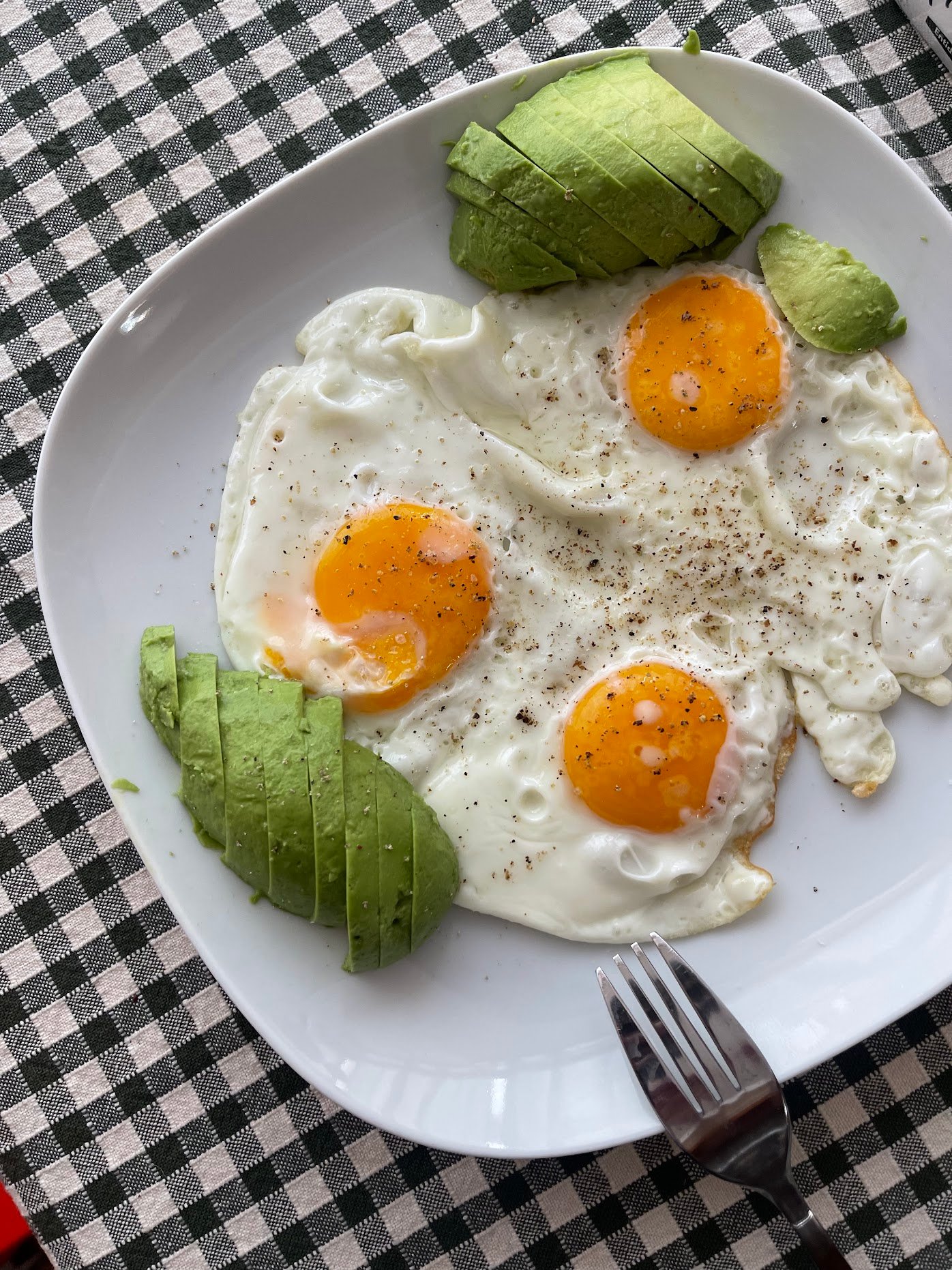
8 Perimenopause Sleep Foods I Wish I’d Known Sooner
Struggling with perimenopause sleep? These 8 Mediterranean foods helped me finally rest again. Real solutions, no supplements or pills needed.