An email landed in my inbox last Tuesday that I can’t stop thinking about. “Susana,” it said, “I’m eating the same keto meals that helped me lose 15 kilos two years ago, but now I’m gaining weight and feel exhausted all the time. What am I doing wrong?” The woman who wrote it is 43. And I knew exactly what was happening because I’d lived it myself. Her body’s protein needs had changed, and nobody had told her. This is the conversation about protein women over 40 desperately need to have.
I’m 46 now, maintaining a 40+ kilo weight loss while navigating perimenopause in Spain. And here’s what nobody prepared me for: the protein that sustained me at 38 wasn’t nearly enough at 45. Not because I was doing keto wrong, but because my body had fundamentally changed.
The Day My Body Stopped Playing Nice
About eighteen months ago, I noticed something unsettling. My arms looked… softer. Despite walking daily through the hills near my village and doing the same strength training routine I’d done for years, muscle tone was disappearing. My jeans fit differently around my thighs.
At first, I blamed stress. Then I blamed Spanish wine (okay, maybe a little). But when Marta, my friend who teaches in Barcelona, mentioned the exact same thing happening to her at 52, I started digging deeper.
Turns out, we weren’t imagining it. Research from McMaster University shows that women over 40 lose muscle mass up to 8% per decade if they don’t actively fight it. And during perimenopause? That process accelerates dramatically as estrogen drops.
The loss isn’t just aesthetic. Less muscle means slower metabolism, worse blood sugar control, more fatigue, and higher injury risk. Everything I’d worked so hard to build felt like it was slipping away.
What Actually Changed (And Why Nobody Talks About It)
Here’s the truth about protein women over 40 need: it’s significantly more than younger women, and way more than the outdated guidelines suggest.
The standard recommendation is 0.8 grams per kilogram of body weight. For a 70kg woman, that’s only 56 grams daily. That might work for a sedentary 25-year-old, but for those of us over 40 dealing with hormonal changes? It’s nowhere near enough.
A 2024 study in the Journal of Nutrition found that women in perimenopause need closer to 1.2-1.6 grams per kilogram to maintain muscle mass. For that same 70kg woman, that’s 84-112 grams daily. Nearly double the standard advice.
I increased my intake to about 100 grams daily, and within six weeks, I felt different. Stronger. My recovery after walks improved. The afternoon fatigue that had become my constant companion started lifting.
Why Perimenopause Changes Everything
Estrogen isn’t just about reproduction. It’s deeply involved in muscle protein synthesis—basically, how efficiently your body uses protein to build and maintain muscle. As estrogen declines, that process becomes less efficient.
Think of it like this: at 30, your body might use 80% of the protein you eat effectively. At 45 in perimenopause, it might only use 60%. You need more protein just to maintain what you had, let alone build new muscle.
Someone in my Facebook group described it perfectly: “It feels like my body suddenly became a terrible accountant, wasting resources everywhere.” That’s exactly what’s happening at the cellular level.
The Mediterranean Solution (No Powders Required)
When I started researching how to increase protein intake, every article recommended the same thing: protein shakes, bars, powders. The American keto approach.
But I live in Spain now. I’ve watched my neighbors in their 70s and 80s move with strength and vitality. They’re not drinking shakes. They’re eating real food that’s been sustaining Mediterranean women for generations.
Here’s what actually works for me, and what I recommend to women in my community:
Breakfast: The Foundation
I used to start my day with coffee and maybe some nuts. Terrible idea. Now I prioritize protein first thing, which completely changed my energy and hunger patterns throughout the day.
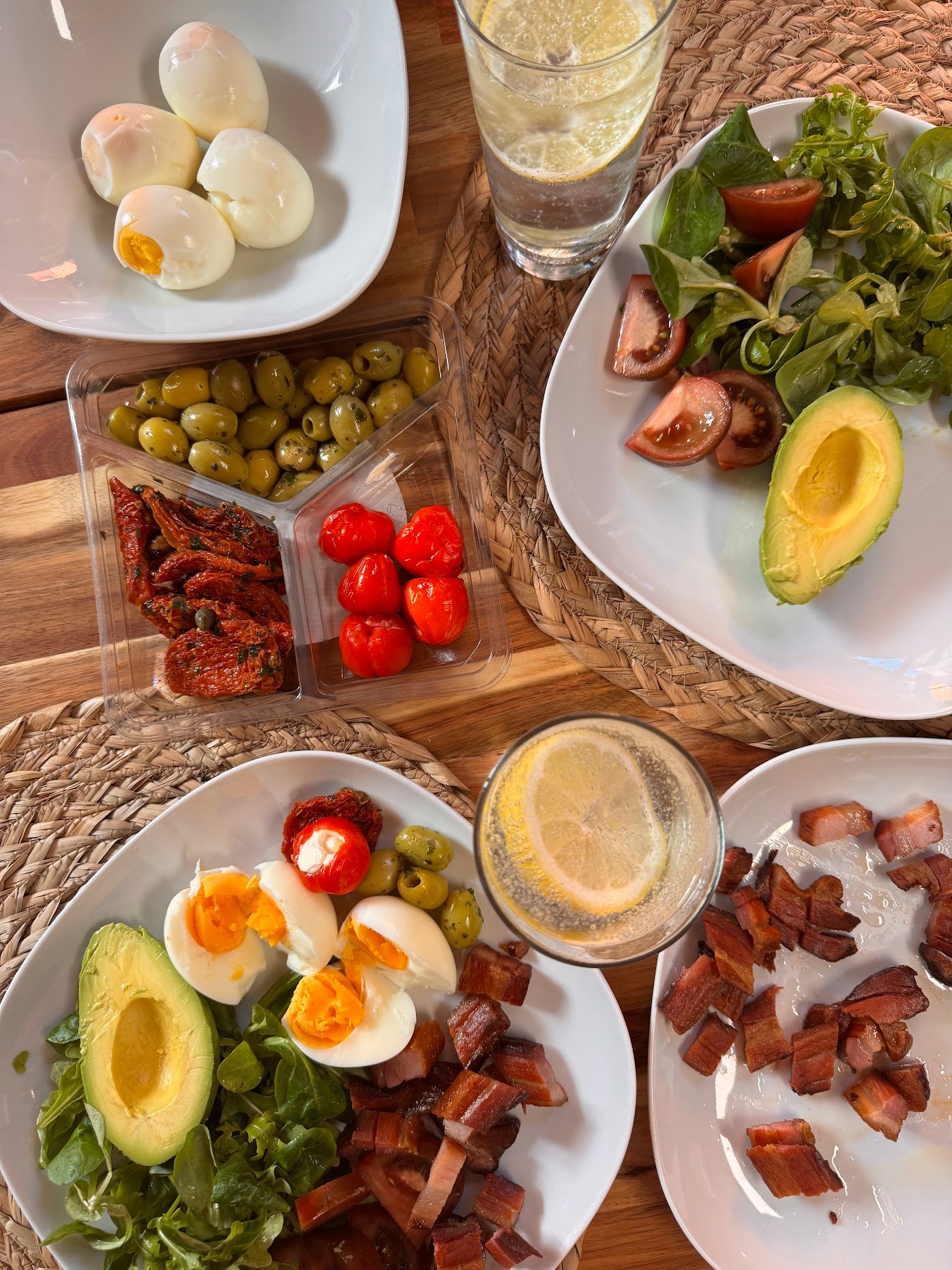
My current favorite: three eggs cooked in Spanish olive oil with spinach and feta cheese, plus a few olives on the side. That’s about 25 grams of protein before 9am, and it keeps me satisfied for hours.
Anna, who’s 48 and works in Madrid, told me she was skeptical about the eggs-every-morning approach. “Won’t my cholesterol go crazy?” she asked. After three months of eating 2-3 eggs daily, her bloodwork improved. Her doctor was shocked. I wasn’t—the research on whole eggs and heart health has shifted dramatically in recent years.
Lunch: The Mediterranean Way
This is where living in Spain taught me everything. Traditional Mediterranean cuisine naturally centers protein—it’s just not processed.
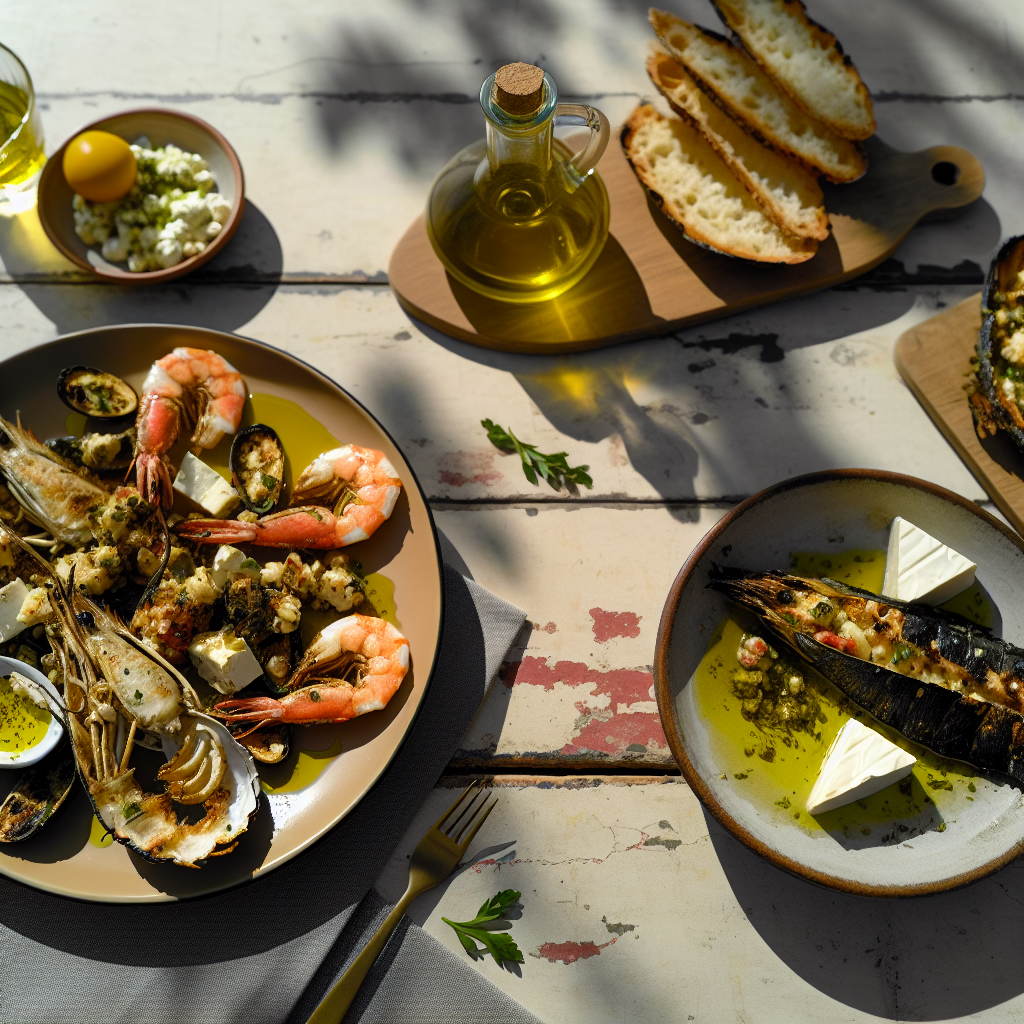
A typical lunch for me: grilled sardines or mackerel (about 30 grams protein), roasted vegetables with olive oil, and a simple salad with tomatoes, cucumber, and aged Manchego cheese. Or a seafood stew with mussels, prawns, and white fish in a tomato-saffron broth.
The fatty fish gives me protein plus omega-3s that help with the inflammation perimenopause seems to amplify. And unlike chicken breast, which I find boring and dry, these meals feel like pleasure, not punishment.
Dinner: Light But Protein-Rich
Spanish culture eats late and light in the evening, which actually works beautifully for perimenopausal women. Heavy dinners were disrupting my already-terrible sleep.
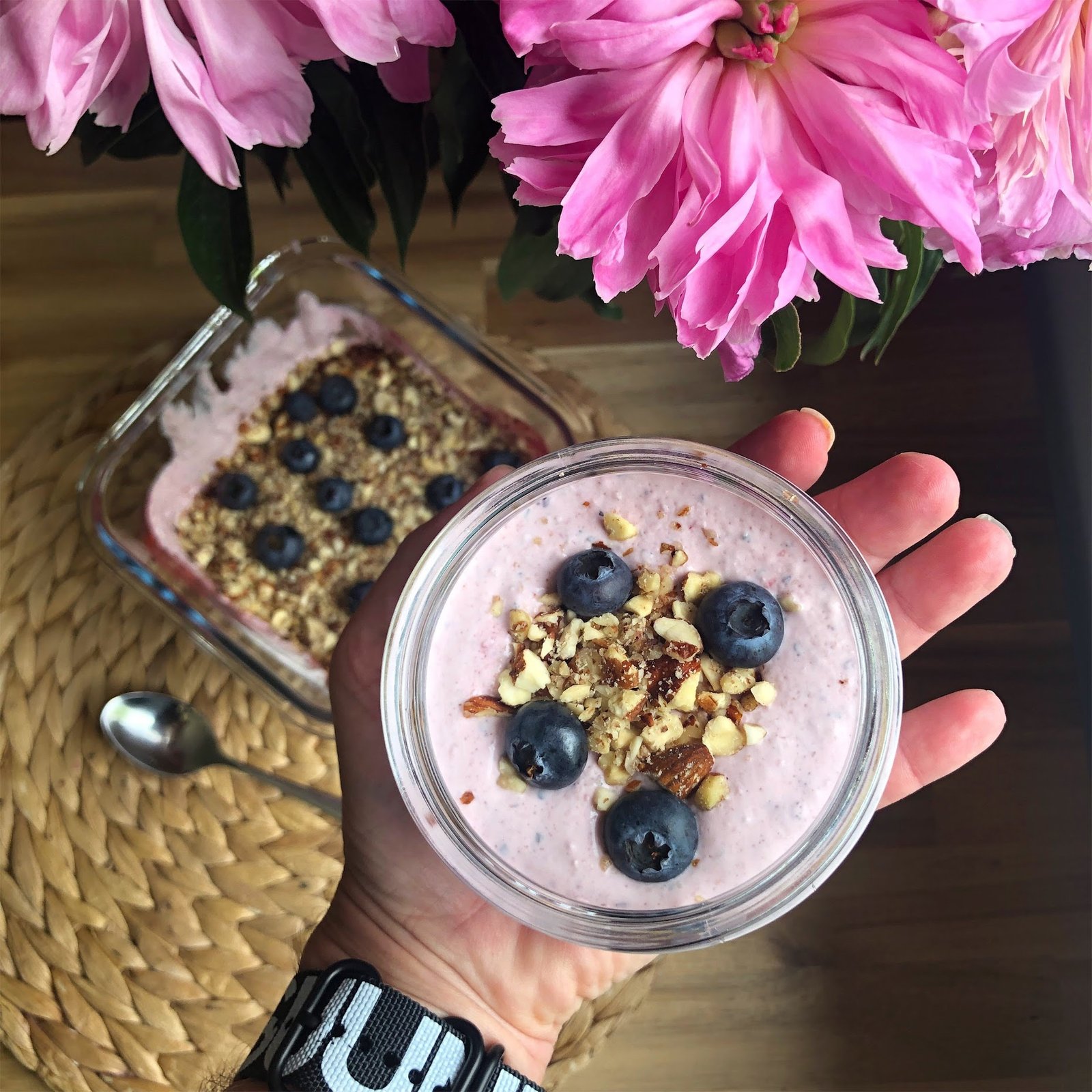
I usually have Greek yogurt (the full-fat kind from local sheep or goat milk) with walnuts and a drizzle of honey, plus some jamón serrano. Or a tortilla española made with pastured eggs, onions, and olive oil. Simple, satisfying, about 25-30 grams of protein.
That brings my daily total to 80-85 grams just from meals. If I have an afternoon snack—maybe some aged cheese or tinned fish—I easily hit 100 grams without thinking about it.
The Mistakes I See Women Making
I was on a call with a client last month, let’s call her Eva, who was frustrated that increasing protein wasn’t helping. When we looked at her food diary, the problem was obvious.
She was eating protein, but spreading tiny amounts throughout the day. 10 grams here, 15 grams there. Research shows this doesn’t work for women our age.
Protein Timing Actually Matters
Studies suggest that to trigger muscle protein synthesis effectively in women over 40, you need at least 25-30 grams of protein per meal. Smaller amounts don’t flip the metabolic switch.
This was a game-changer for me. Instead of having a small Greek yogurt (10g protein) for breakfast, I started having three eggs (18g) plus cheese (8g) plus maybe some smoked salmon. That 30+ gram threshold made all the difference.
Quality Over Convenience
I saw a post on Reddit last week in a keto group where women were comparing protein bars and shakes. The discussion made me sad. These products are expensive, highly processed, and often loaded with sweeteners that can disrupt hunger signals.
The protein women over 40 need isn’t found in packages with ingredient lists we can’t pronounce. It’s in eggs from the local farm, fish from sustainable sources, cheese aged in caves, yogurt made by actual people.
In Spain, I can get a dozen pastured eggs for €3, fresh sardines for €5 per kilo, and incredible aged cheese from small producers. This isn’t expensive boutique food—it’s how regular people have eaten here forever.
What Changed When I Got This Right
Within two months of prioritizing protein at every meal, several things shifted:
My muscle tone came back. Not dramatically, but noticeably. My arms looked more defined again. My legs felt stronger on uphill walks.
The afternoon energy crash disappeared. I used to need coffee at 3pm just to function. Now I sail through the afternoon with steady energy.
My hair and nails improved. I didn’t expect this, but my hairdresser noticed my hair was thicker. Nails stopped breaking constantly. Makes sense—they’re made of protein.
Sleep got better. Not perfect (thanks, perimenopause), but more stable. Research suggests adequate protein helps regulate cortisol, which affects sleep quality.
Most surprisingly, my body composition changed without weight loss. I weigh the same, but clothes fit differently. Muscle is denser than fat, so I looked leaner while the scale stayed steady.
The Blood Sugar Connection
This might be the most important change for women over 40. Higher protein intake stabilized my blood sugar in ways that cutting carbs alone never did.
A study from the University of Illinois found that women in perimenopause who increased protein to 1.4g per kilogram had significantly better insulin sensitivity than those eating the standard amount. Given that insulin resistance tends to worsen during perimenopause, this matters enormously.
I used to get shaky and irritable if I went too long between meals. That reactive hypoglycemia has almost completely resolved with higher protein intake.
Making This Work in Real Life
I know what you’re thinking. This sounds great, but you’re busy. You don’t live in a Spanish village with easy access to fresh sardines and local eggs.
Fair enough. Here’s how to make this practical wherever you are:
Prep Protein in Batches
Every Sunday, I hard-boil a dozen eggs and keep them in the fridge. That’s instant protein all week. I also roast a whole chicken or bake several pieces of salmon that can be eaten cold in salads or reheated.
My friend Carmen, who works full-time and has two teenagers, makes a big pot of Greek-style lemon chicken soup every week. High protein, reheats beautifully, and her family actually eats it.
Keep Protein Emergency Stashes
In my pantry always: tinned sardines, anchovies, and mackerel. High-quality aged cheese that keeps forever. Canned wild salmon. Greek yogurt in the fridge. Nuts and seeds (though these are higher in fat than protein, they help).
When I’m genuinely too tired to cook, I can open a tin of sardines, slice some cheese, cut a tomato, drizzle with olive oil, and call it dinner. Twenty grams of protein, zero cooking.
Rethink Restaurant Ordering
I used to order salads when eating out, thinking I was being “good.” Now I order the fish or lamb, double vegetables instead of rice or potatoes, and don’t apologize for it.
Your body needs protein more than it needs to make the server think you’re low-maintenance.
The Conversation We Need to Have
Here’s what makes me angry: women are struggling with weight gain, muscle loss, and crushing fatigue in perimenopause, and nobody is talking about protein.
Doctors tell us to “eat less, move more.” Friends recommend cutting calories. Diet culture says smaller portions. All of this is exactly backwards for women over 40.
We don’t need less food. We need more of the right food. Specifically, we need significantly more protein than we’ve been told.
A comment on my last post made me think about this differently. A woman wrote: “I spent my 30s trying to eat as little as possible. Now at 44, I’m trying to figure out how to eat enough. It feels like unlearning everything.”
That’s exactly it. Everything that worked before 40—and everything diet culture taught us—stops working when hormones shift. We need a completely different approach.
You’re Not Failing, Your Strategy Is
If you’re over 40 and feeling like your body has betrayed you, please hear this: you haven’t failed. You’re fighting biology with outdated information.
The protein recommendations you’ve followed your whole life weren’t designed for perimenopausal women. The meal plans you’re copying from younger influencers won’t work for your changing metabolism. The calorie restriction that worked at 32 actively harms you at 45.
In a perimenopause forum last month, women kept asking about the same symptoms: losing muscle despite exercise, constant hunger, afternoon crashes, hair thinning. Every single one was eating less than 60 grams of protein daily.
We’re not broken. We’re undernourished in the exact nutrient our bodies need most right now.
Increasing the protein women over 40 need isn’t about following another diet. It’s about giving your changing body what it’s asking for. It’s about working with your hormones instead of fighting them.
For me, this shift—combined with Mediterranean keto—has meant maintaining my 40+ kilo loss through perimenopause without constant hunger or restriction. I eat more food now at 46 than I did at 43, and my body composition is better.
Start with one meal. Make breakfast 30 grams of protein tomorrow. Notice how you feel at lunchtime. Build from there.
You deserve to feel strong, energized, and comfortable in your body through perimenopause and beyond. Sometimes the answer isn’t eating less. It’s finally eating enough of what matters most.