An email landed in my inbox last Tuesday that I can’t stop thinking about. “Susana,” it read, “I’ve spent €400 on supplements women over 40 are supposed to take. My bathroom cabinet looks like a pharmacy. But I feel exactly the same—tired, foggy, and my weight won’t budge. What am I doing wrong?”
My heart sank because I’ve been exactly where she is. Three years ago, my supplement drawer was overflowing with bottles promising everything from “hormonal balance” to “fat-burning support.” I was taking 15 different pills every morning, choking them down with my coffee, convinced that this combination would finally be the answer.
Spoiler alert: It wasn’t.
Here’s what nobody tells you about supplements for women over 40—most of them are expensive placebo pills designed to profit off our desperation. After seven years of keto, countless conversations with women in my community, and frankly wasting money I could’ve spent on really good olive oil, I’ve narrowed it down to five supplements that actually move the needle.
Let me save you the €400 and the bathroom cabinet chaos.
Why I Started My Supplement Obsession (And Why You Probably Did Too)
When I hit 43, everything changed overnight. I went from maintaining my 40kg weight loss easily to gaining 5kg in two months despite eating the same way. My energy tanked. I’d wake up at 3am drenched in sweat, then spend the next day in a brain fog so thick I forgot my own sister’s birthday.
My doctor ran bloodwork, shrugged, and said, “Welcome to perimenopause.” That was it. No solutions, no support, just a dismissive acceptance that this was my life now.
So I did what we all do—I turned to Google. And Google told me I needed magnesium for sleep, B vitamins for energy, ashwagandha for stress, collagen for skin, probiotics for gut health, omega-3s for inflammation, vitamin D for mood, iron for fatigue… the list went on and on.
I bought them all. Because when you’re desperate to feel like yourself again, €30 for a bottle of pills that might help seems like a bargain.
The Supplement Cabinet Reality Check
My friend Clara, who’s 49 and works in marketing in Madrid, recently sent me a photo of her supplement collection. Seventeen bottles. She’d been taking them religiously for six months and hadn’t noticed a single improvement in her perimenopausal symptoms or her weight.
“I feel like I’m failing,” she told me. “If I can’t even take supplements correctly, how am I supposed to get healthy?”
This broke my heart because Clara wasn’t failing. The supplements were failing her. Most of what we’re sold as essential supplements women over 40 need are either redundant if you’re eating well, poorly absorbed, or solving problems we don’t actually have.
A 2023 study published in the Journal of the American Medical Association found that most multivitamins provided no measurable health benefit for women in perimenopause and menopause. The researchers concluded that targeted supplementation based on actual deficiencies was far more effective than the “take everything” approach most of us fall into.
The Only 5 Supplements That Actually Made a Difference
1. Vitamin D3 (With K2)—The Non-Negotiable One
This is the first supplement I recommend to every woman who asks, and it’s the only one I take every single day without fail. When I finally got my vitamin D levels tested, I was at 18 ng/mL. Optimal is 50-70 ng/mL. No wonder I was exhausted and moody.
Here’s what changed when I brought my levels up to 60 ng/mL: my mood stabilized, my sleep improved, and honestly, my body seemed more responsive to my Mediterranean keto way of eating. I stopped having those desperate 4pm carb cravings that used to derail my entire evening.
A woman in my Facebook group, let’s call her Patricia, messaged me last month saying she’d been diagnosed with severe vitamin D deficiency—her level was 12. After three months of supplementation, she lost 7kg without changing anything else. Her doctor explained that vitamin D deficiency can mess with insulin sensitivity and fat storage, especially in women over 40.
I take 4,000 IU of D3 with K2 daily. The K2 is crucial—it helps direct calcium to your bones instead of your arteries. You can find this in one combined supplement, which is what I use.
The catch: You absolutely need to get your levels tested before and during supplementation. Too much vitamin D can be harmful, and the only way to know if you’re taking enough (or too much) is through bloodwork.
2. Magnesium Glycinate—The Sleep and Stress Game-Changer
I resisted magnesium for ages because I’d tried it before and it did nothing except give me digestive issues. Turns out, I was taking the wrong form. Magnesium oxide, which is in most cheap supplements, is poorly absorbed and basically just passes through you.
Magnesium glycinate changed everything for my sleep. I take 400mg about an hour before bed, and I fall asleep faster and wake up less during the night. Those 3am sweaty wake-ups? Still happen sometimes, but I can actually fall back asleep now instead of lying there catastrophizing about everything I’ve ever said or done.
Research from the National Institutes of Health shows that about 50% of women over 40 don’t get enough magnesium from diet alone. And when you’re stressed (which, let’s be honest, is constant in perimenopause), your body burns through magnesium even faster.
My client Ana, a 44-year-old architect in Valencia, told me she’d been having terrible leg cramps at night. Within a week of starting magnesium glycinate, they were gone. She also noticed she wasn’t clenching her jaw anymore—something she’d been doing for years without even realizing it was stress-related.
Mediterranean food sources: I also increased my intake of magnesium-rich foods like spinach, Swiss chard, almonds, and dark chocolate (yes, really—85% dark chocolate is part of my Mediterranean keto life). But even with these foods, I still supplement because my needs are higher in perimenopause.
3. Omega-3 (High-Quality Fish Oil)—The Inflammation Fighter
This is where I’m going to sound like a hypocrite because I live in Spain, eat fatty fish twice a week, and still supplement with omega-3s. Here’s why: the anti-inflammatory benefits I get from high-dose omega-3s are noticeable in a way that food alone doesn’t quite achieve.
I take a fish oil supplement that provides about 2,000mg of combined EPA and DHA. Since starting this, my joint pain improved (I didn’t even realize my knees hurt until they stopped hurting), my skin is less dry, and my perimenopausal mood swings are less extreme.
A 2024 study of 500 women in perimenopause found that those who took high-dose omega-3 supplements reported fewer hot flashes and better emotional well-being compared to those who didn’t. The researchers suggested that omega-3s help regulate inflammatory responses that can worsen perimenopausal symptoms.
Someone in a Reddit perimenopause forum wrote something last week that stuck with me: “I started omega-3s for my heart health, but the unexpected benefit was that I stopped feeling like I wanted to rage-quit my life every afternoon.” I laughed because yes, exactly that.
Quality matters: Cheap fish oil can be rancid and do more harm than good. I look for supplements that are third-party tested for purity and freshness. It costs more, but this is one place where you get what you pay for.
4. Vitamin B Complex—The Energy Booster (But Only If You Need It)
I don’t take B vitamins every day anymore, but I did for about six months when my energy was at rock bottom. Here’s the thing about B vitamins: if you’re eating animal products and leafy greens (which I do on Mediterranean keto), you’re probably getting enough from food.
But if you’re dealing with extreme stress, poor sleep, or heavy periods (fun perimenopause symptom!), your B vitamin needs can increase. I noticed that on days I took a B complex, my brain fog lifted and I had more sustained energy without the jittery feeling coffee gives me.
My friend Lucia, who’s 51 and going through full menopause, swears by her B complex. She says it’s the difference between being able to focus at work and feeling like she’s moving through molasses all day.
A study from the Journal of Women’s Health found that women over 40 with adequate B12 and folate levels had better cognitive function and reported less fatigue than those who were deficient.
My approach: I cycled through three months on, three months off. When I’m eating well, sleeping enough, and not drowning in stress (rare, but it happens), I skip it. When life is chaos, I add it back in.
5. Electrolytes—The Overlooked Essential
This isn’t technically a pill supplement, but it’s the most underrated addition to my routine. When you’re doing keto, even Mediterranean keto, you need more sodium, potassium, and magnesium than the average person. Add in perimenopause night sweats, and you’re losing even more electrolytes.
I make my own electrolyte drink: water, a good pinch of sea salt, a squeeze of lemon, and a tiny bit of natural sweetener if I’m feeling fancy. It costs practically nothing and makes a massive difference in my energy levels and those afternoon headaches I used to get.
A woman posted in my Facebook group about how she’d been struggling with terrible fatigue and dizziness. Her doctor had run tests—everything was “normal.” She started adding electrolytes to her water, and within three days, she felt like a different person.
The science backs this up. When you’re in ketosis, your insulin levels are lower, which means your kidneys excrete more sodium. Less sodium means less water retention, which sounds great for weight loss but can leave you depleted and exhausted.
Mediterranean twist: I also make sure I’m eating potassium-rich foods like avocados, leafy greens, and mushrooms. But the added electrolytes in my water make everything work better.
What I Stopped Wasting Money On
Let me save you some money by sharing what didn’t work for me or the women in my community, despite being heavily marketed to women over 40:
Collagen powder: I took this religiously for four months. Did it help my skin, hair, or joints? Not that I could tell. Your body breaks down collagen into amino acids anyway, which you can get from eating protein-rich Mediterranean foods like fish, eggs, and bone broth.
Ashwagandha: This is controversial because some women swear by it for stress. For me, it made me feel foggy and disconnected. I later learned it can affect thyroid function, which is already delicate in perimenopause.
Generic multivitamins: These are usually full of poorly absorbed forms of vitamins and minerals, plus a bunch of fillers. You’re essentially creating expensive urine. Targeted supplementation based on your actual needs is far more effective.
Metabolism boosters: Any supplement claiming to “rev up your metabolism” is lying to you. Your metabolism in perimenopause is affected by hormones, muscle mass, and stress—not a pill.
The Mediterranean Keto Approach to Supplements
Here’s my philosophy after seven years of this journey: food first, supplements second. The supplements women over 40 actually need should fill specific gaps, not replace a solid foundation of real, nutrient-dense food.
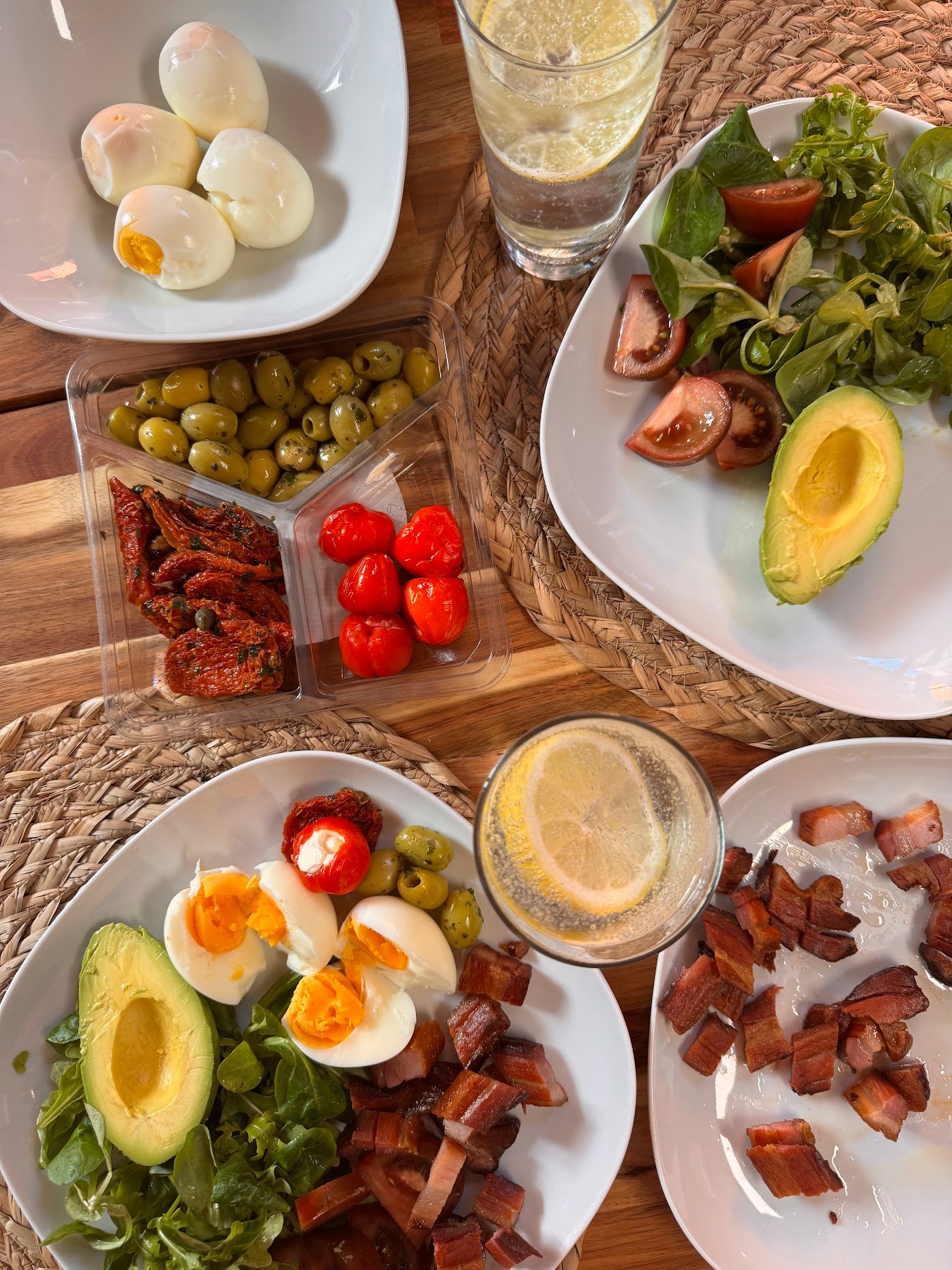
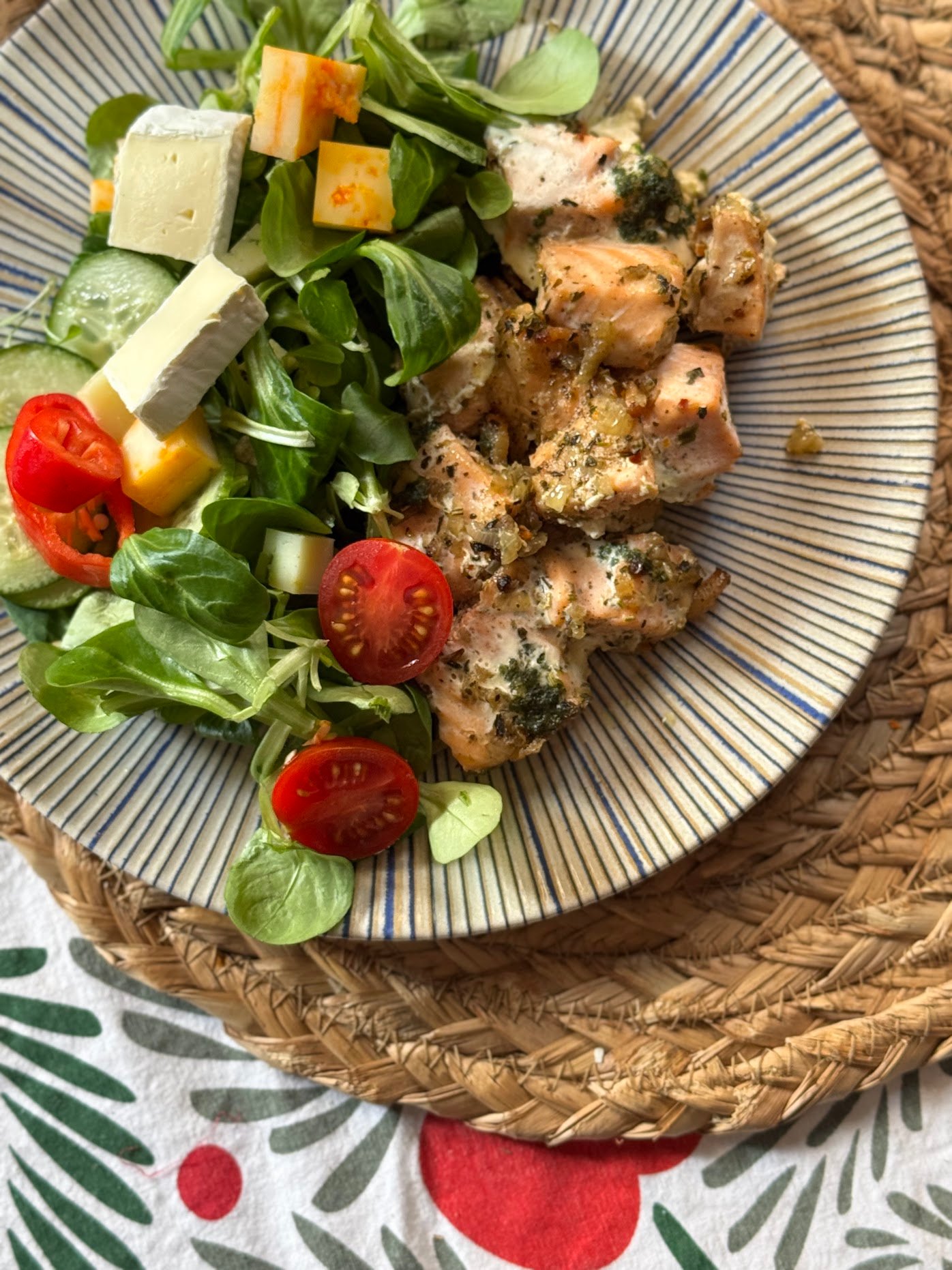
My typical day looks like this: eggs cooked in olive oil with spinach for breakfast, a big salad with grilled fish and feta for lunch, and roasted vegetables with lamb or chicken thighs for dinner. Snacks are olives, nuts, cheese, or vegetables with homemade tzatziki.
This Mediterranean keto approach gives me most of what I need. The supplements I take are supporting my body’s increased needs during perimenopause, not compensating for a poor diet.
A nutritionist I spoke with last year put it perfectly: “If you’re taking more than five supplements regularly, you’re either solving the wrong problem or not eating well enough.”
How to Figure Out What YOU Actually Need
I wish I could tell you exactly which supplements you need, but the truth is, we’re all different. What works for me might not work for you, and that’s okay. Here’s how to figure out your unique needs:
Get bloodwork done: Don’t guess. Ask your doctor to test vitamin D, B12, iron, and thyroid function at minimum. If they won’t, find a doctor who will. This is your health, and you deserve answers.
Start with one supplement at a time: When I was taking 15 things at once, I had no idea what was helping and what was just draining my bank account. Add one supplement, give it 4-6 weeks, and honestly assess whether you notice a difference.
Track your symptoms: I keep notes on my phone about energy, sleep, mood, and cravings. It sounds tedious, but it’s the only way to connect the dots between what you’re taking and how you’re feeling.
Listen to your body: If a supplement makes you feel worse, stop taking it. I don’t care if every influencer swears by it—your body knows best.
The Real Talk About Supplements and Weight Loss
Let me be brutally honest about something: no supplement is going to make you lose weight if your food, sleep, and stress aren’t managed. I know that’s not what you want to hear. I didn’t want to hear it either when I was desperate for a quick fix.
But here’s what I’ve seen in my own life and in the women I work with: when you address nutritional deficiencies with the right supplements, your body works better. You sleep better, which helps with cortisol. You have more energy, which helps you make better food choices. Your hormones balance a bit, which helps with insulin sensitivity.
It’s not magic. It’s giving your body what it needs to function optimally during a time when everything is shifting and changing.
Rosa, a 47-year-old woman in my community, said it best: “The supplements didn’t make me lose weight. But fixing my vitamin D deficiency and sleeping better because of magnesium gave me the energy to actually cook real food instead of grabbing whatever was easy. That’s what made the difference.”
My Current Supplement Routine
For transparency, here’s exactly what I take right now at 46:
- 4,000 IU vitamin D3 with K2 every morning with breakfast
- 400mg magnesium glycinate an hour before bed
- High-quality fish oil (2,000mg EPA/DHA combined) with lunch
- Electrolytes in my water throughout the day
- B complex when I’m stressed or not sleeping well (maybe 3-4 times a week right now)
That’s it. Five things that cost me about €40 per month total. Compare that to the €120 I was spending when I had 15 bottles in my cabinet.
I also get my vitamin D levels checked every six months to make sure I’m in the optimal range. My doctor initially thought this was excessive until she saw how much better my overall health markers were when my vitamin D was optimized.
What About Hormone Support Supplements?
I get asked constantly about supplements marketed specifically for hormone balance in perimenopause—things like evening primrose oil, black cohosh, or maca root. I tried several of these, and honestly, none made a noticeable difference for me.
What did help my hormones was the combination of Mediterranean keto eating, strength training (even just 20 minutes twice a week), better sleep from magnesium, and managing my stress. The supplements I listed support these foundational things.
A study from the North American Menopause Society found that lifestyle interventions—diet, exercise, stress management—were more effective for most perimenopausal symptoms than herbal supplements. The supplements only showed modest benefits and didn’t work for everyone.
I’m not saying these supplements never work. I’m saying they didn’t work for me, and they’re often expensive experiments when your money might be better spent on high-quality olive oil and wild-caught fish.
You Don’t Need a Pharmacy in Your Bathroom
If you take nothing else from this article, please hear this: you are not failing if you’re not taking 20 supplements. The supplement industry profits from making us feel inadequate and broken.
You’re not broken. You’re going through a massive hormonal transition, and your body needs support—but that support should be strategic, not scattered.
Start with the basics: get your vitamin D tested, add magnesium if you’re not sleeping well, consider omega-3s for inflammation, and make sure you’re getting enough electrolytes. Build from there based on your specific needs and how your body responds.
And remember, the most powerful supplement is real, nutrient-dense Mediterranean food. Olive oil, fatty fish, leafy greens, nuts, eggs, quality meat—these foods have supported women’s health for thousands of years. The supplements are just backup singers to that main act.
You’ve got this. And you’re not alone in figuring it out—we’re all navigating this messy, frustrating, occasionally wonderful perimenopause journey together.